

by
Nisha Desai
Categories: BlogTags: Abundance, ART, blessings, bounty, Heart, Hospitality, joy, lughnasadh, new beginnings, retail, sacred marriage, soul
Leave a comment


Blessings of the Harvest, Blessings of the Seeds,
blessings shall it be.
Blessings of the Land, Blessings of the Sky
blessings of a sacred marriage
a marriage of bounty and promise
blessings of the queen and her consort
Blessings of the Harvest, Blessings of the Seeds
blessings of the wheel of the season
of gatherings and storytelling
of shorter days and longer nights
of feasting grain and corn
Blessings of The Harvest, Blessings of the Seeds,
blessings of gratitude
of walking and being
of death and resurrections
Blessings of The Harvest, Blessings of the Seeds,
blessings of the harvest spirit
of joy and heart
of love and happiness
may it bless our bounty and harvest
lady of the land and the Sun of the Sky.
blessings of the soul
and blessings shall it be.
-Lady Nishante
You can Join us on Patreon here: https://www.patreon.com/NishanteDivinelove

Source: https://ravenhawksmagazine.net/2024/07/31/lammas-lughnasadh-blessings-2/
Blessed be this season of Lughnasadh, And may the spirit of the harvest bring you peace, prosperity, and happiness. May your days be filled with the golden light of the sun, And your nights be graced with the gentle glow of the moon. May the seeds you have sown bear fruit, And may your hard work be rewarded with bountiful harvests.
Bread holds a special place in Lughnasadh celebrations, symbolizing the fruits of the first harvest and the transformation of raw grain into nourishing food.

Bake the Bread: Begin by baking a loaf of bread. As you mix the ingredients, focus on your intentions for the harvest season. Think about the things you are grateful for and the abundance you wish to bring into your life.
Light a Candle: Once the bread is baked and cooled, light a candle and say:
“I light this candle in honor of the grain harvest. May blessings be upon this sacred space.”
Give Thanks: Take a moment to reflect on the abundance in your life. Think about the things you are grateful for. Write them down on a piece of paper.
Bless the Bread: Hold the loaf of bread and say:
“I bless this bread as a symbol of the first harvest, in gratitude for the earth’s abundance. May it nourish and sustain us.”
Offerings: Break off a piece of the bread and place it in the offering bowl. Do the same with a small handful of grains or seeds. Say: “I offer this bread and these grains in gratitude for the harvest. May the earth continue to provide for us.”
Blessing the Drink: Hold the cup of wine, mead, or juice and say:
“I bless this drink in honor of the harvest. May it bring nourishment and joy.”
Take a sip and pour a small amount into the offering bowl.
Sharing the Bread: Share the bread with loved ones or enjoy it yourself. As you eat, reflect on the hard work and blessings that have brought this food to your table.
Reflection and Meditation: Spend a few minutes in quiet contemplation or meditation. Focus on the themes of harvest, abundance, and gratitude.
Closing: When you feel ready, extinguish the candle and say:
“I give thanks to Gaia and the spirits of the harvest. May their blessings continue to be with me.”



Lammas/Lughnasadh: (pronounced Loo-gnah-sahd)Also known as Lammas, Cornucopia, July 30 – August 1. This sabbat marks the sacred marriage of the Sun and the Land. The sun is at its hottest, but its light is fading. 24 more words
Lammas/Lughnasadh — Ravenhawks’ Magazine Magick for Mind Body and Soul

May you always be happy and thankful with what you have today. May you always harvest and seek the treasure of your heart and not of earth. May you always know the efforts caused by positive or negative thinking and choose positively. May you always know the divine is in me and the true place of worship is within me. Harvest goodness, love and forgiveness shall it be. Blessed be. So it is.
The Celtic harvest festival on August 1st takes its name from the Irish god Lugh, one of the chief gods of the Tuatha De Danann, giving us Lughnasadh in Ireland,and Scotland, and Laa Luanys in the Isle of Man. (In Wales, this time is known simply as Gwl Awst, the August Feast.)
Lugh dedicated this festival to his foster-mother, Tailtiu, the last queen of the Fir Bolg, who died from exhaustion after clearing a great forest so that the land could be cultivated.
Artists and entertainers displayed their talents, traders came from far and wide to sell food, farm animals, fine crafts and clothing, and there was much storytelling, music, and high-spirited revelry.
This was also an occasion for handfasting, or trial marriages. Young men and women lined up on either side of a wooden gate in a high wall, in which a hole was carved, large enough for a hand. One by one, girl and boy would grasp a hand in the hole, without being able to see who was on the other side. They were now married, and could live together for a year and day to see if it worked out. If not, the couple returned to next year’s gathering and officially separated by standing back to back and walking away from each other.
-Ravenhawks Magazine


“Blessed be the Harvest, Blessed be the Corn Mother, Blessed be the Grain God, For together they nourish both body and soul. Many blessings I have …
Lammas Ritual


Ravenhawks has begun taking orders for its Lughnasadh Ritual Boxes. We will take orders until July 19th. Looking forward to sharing Lughnasadh magick…
Ravenhawks Ritual Boxes for Lughnasadh/Lammas


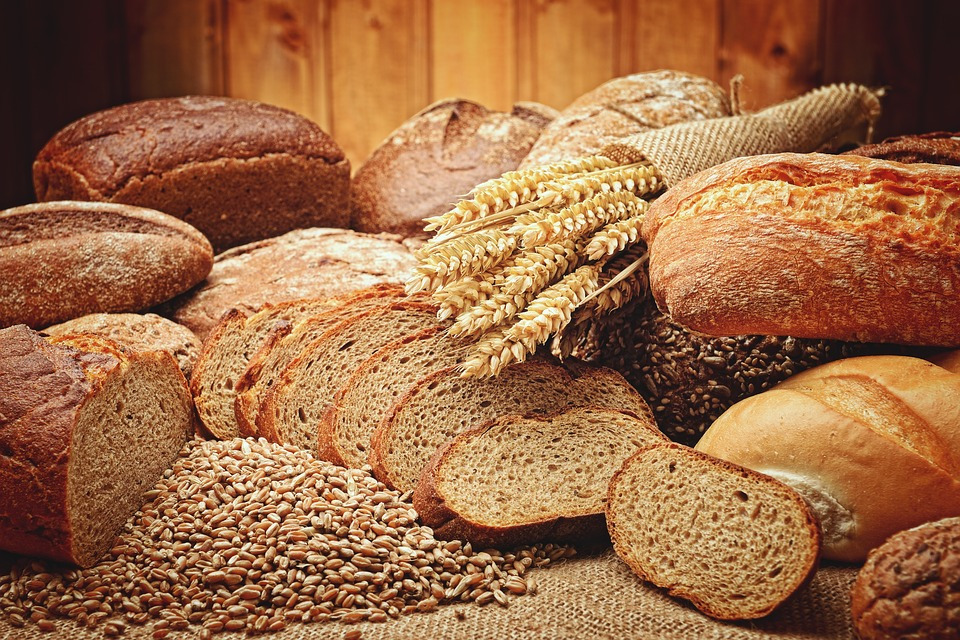
August 1, is the beginning of the harvest cycle and rests on the early grain harvest as well as those fruits and vegetables that are ready to be picked. Canning of fruits and vegetables goes into full swing, jams and jellies made and cabinets are stocked with herbs before the onset of autumn.
As long as hand reaping lasted so the ceremonies of the “Last Sheaf” endured. In ancient times in Britain, it varied from county to county; some preferred to throw their sickles at it until there was nothing left, others thought it held an evil spirit and trampled it into the ground. Many treated it with honor for they believed the corn-spirit had retreated into it as a refuge when the rest of the crop was cut. On some farms the reapers took turns to throw their sickles at the last stand of corn, thus sharing the responsibility. In this, the corn-spirit was thought to sleep throughout the winter. In the spring it was taken to the fields when the seed was being sown so that the spirit could transfer to the sown seed and awaken it. This ritual re-enactment of the slaying and restoration of Lugh/John Barleycorn was associated with beer and cider drinking to follow.
The last sheaf was then plaited (braided) into a woman’s form, which represented the Harvest Spirit. These were known by various names, the Corn-Dolly, Nell Doll, and in Whalton in Northumberland, a member of the same family made the Kern-Babby each year, for the church Harvest Festival. The Corn Dolly was set in a place of honor at the harvest supper, it was preserved over winter and plowed-in, in the following Spring; in other traditions, the corn dolly was fed and watered throughout the winter and then burned in the fire at Beltane. The vacant land was known as Lammas Lands, used for growing early crops or hay, were then thrown open for common grazing until the next Spring.
This was also the time for Lammas Fairs, where the custom for unmarried persons of both sexes, was to choose a companion according to their liking, with whom they were to live for a year and a day. After this period, if the couple were in agreement, a ritual “Handfasting” or hand-in-fist, ceremony was performed to seal the marriage.- Ravenhawks Magazine
 nishadesigns.com