

Abstract 2D design- You can use this as a print, art, tapestry, wall paper. For more information please contact us through phone or mail.
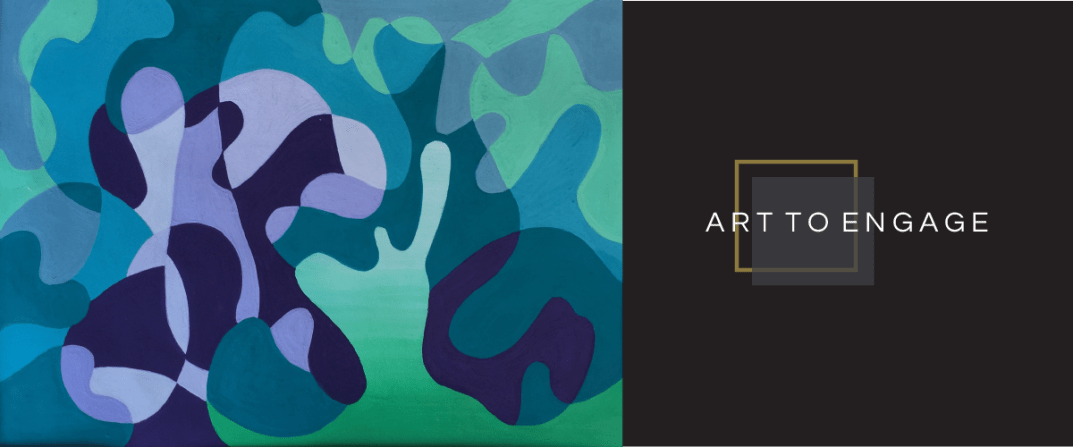
Abstract 2D design- You can use this as a print, art, tapestry, wall paper. For more information please contact us through phone or mail.


Welcome to our world of textile designs. Below is our link to few of our collections to see, buy do message us, call, email. Nisha@nishadesigns.com, 702.622.8321
Link: https://nishadesigns.com/textile-surface-designs/
We look forward to hearing from you. Nisha Desai


Beltane celebrated on the first of May, marks the beginning of summer in the Celtic calendar, when the Earth is fertile and full of life. This ancient festival is deeply rooted in the theme of fertility and the celebration of life, fire, and abundance. It’s a time when the veil between worlds is thin, similar to its opposite on the Wheel of the Year, Samhain. Beltane is a moment to honor the union of the Goddess and the God, symbolizing the harmony of feminine and masculine energies and the birth of new life. Herbs and flowers play a significant role in the Beltane celebration, with marigolds, daisies, and lilacs being particularly significant. They are used for their magical properties of love, memory, and protection. Incenses like sandalwood and lavender are burned for healing and purification purposes.

Beltane is a time to nurture our dreams and to revel in the pleasures of the physical world, always with respect and gratitude for the Earth that sustains us. Happy Beltane to all. Here is a link to some recipes to celebrate your Beltane feast.
Source: https://ravenhawksmagazine.net/2024/04/29/beltane-2024/
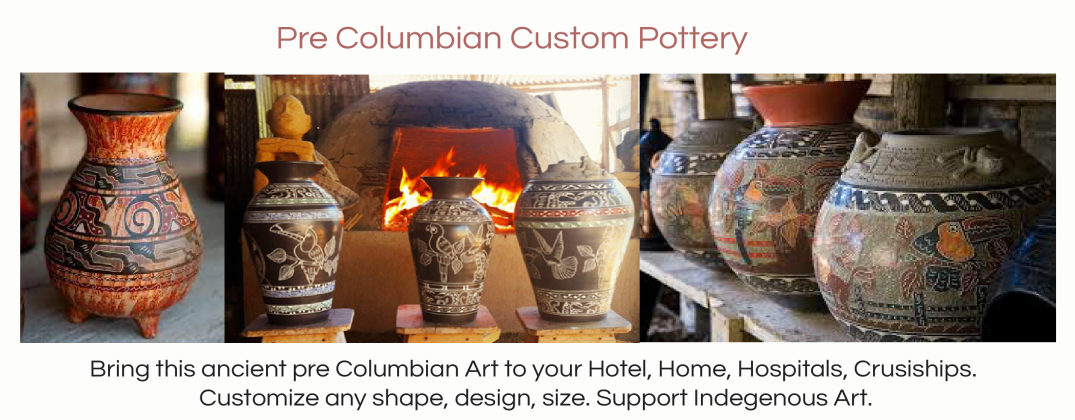
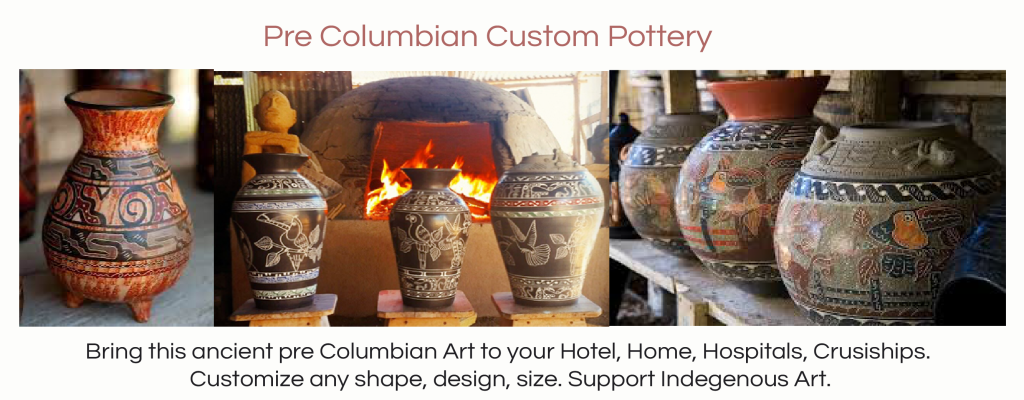
Email us, call us with your custom design or if you like and want the designs we already did let us know. Nisha Designs.

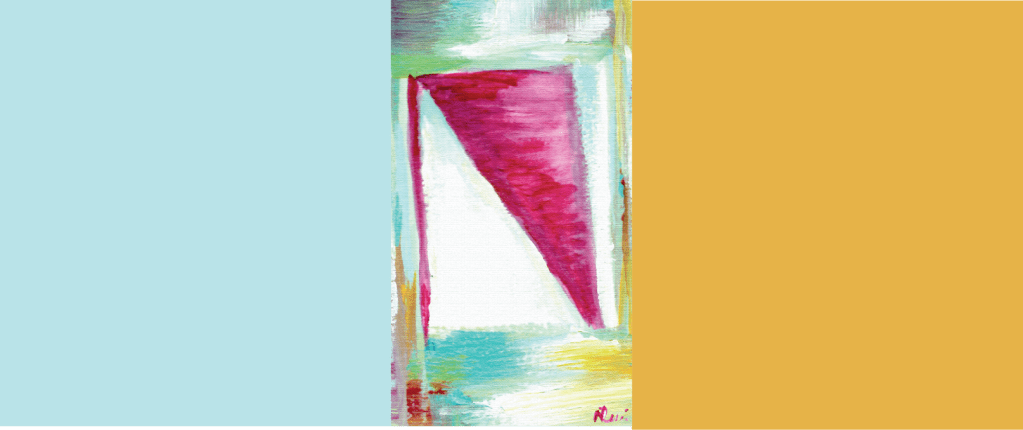
Welcome 2024. Just wanted to share, the colors with my N logo art looks fabulous. Symbolizes promise, simplicity, tenacious, vibrant, still, beauty within, creativity, magick, eccentric, vivacious, vigilant, eclectic, play, fun, balance. We hope to do lots more art this year. See a lot more of affordable sustainable products and fabrics in the market in the homes and buildings on the planet. Let the fun begin.

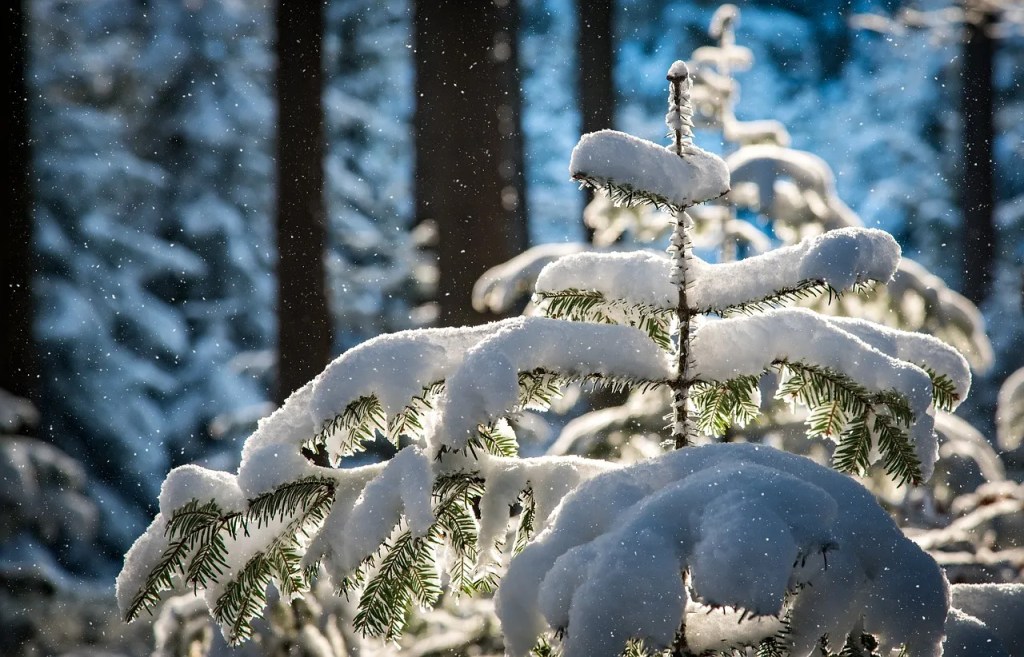
In the silent night of winter
A forest of wonder awaits
Where the snowflakes glitter
And the stars illuminate
The trees are evergreen and tall
They shelter the creatures below
Who dance and sing and have a ball
In the light of the moon’s glow
Among the animals and fairies
There is magic in the air
They share their stories and their berries
And their secrets very rare
This is a place of mystery and delight
A hidden realm of beauty and grace
Where dreams come true and wishes take flight
In the magical winter forest’s embrace
Lady Dyanna
Source: https://ravenhawks.net/2023/12/20/magical-winter-forest/

Lady Dyanna

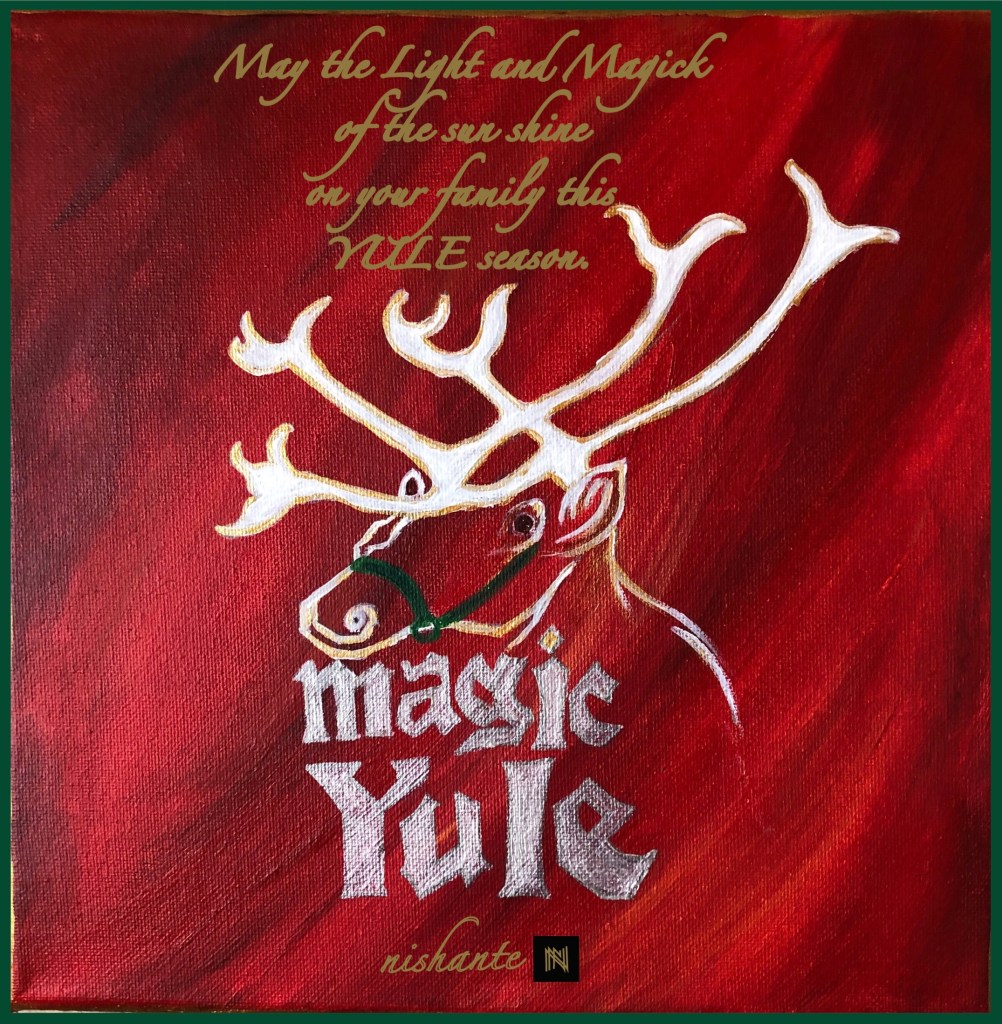
Yule Wishes, Happy Winter Solstice and Seasons Greetings

The magick and spirit of the season is the Continuity of Life, Protection, Prosperity all symbolic of the evergreen. And so let the season of magick fill your heart, home and family with grace, love, joy, peace and gratitude this holiday season. May this magick be your guide to all your endeavors, opportunities and all the possibilities coming in for you in every aspect of your life. We thank you our followers and supporters for your continued support and being part of Nisha Designs journey. And wish you all Happy Holidays, Merry Christmas and a Happy New Year from our heart to yours- Nisha Desai


To order samples and for more information please email nisha@nishadesigns.com or call 702.622.8321.



BY DOROTHEA TANNING
Be perfect, make it otherwise.
Yesterday is torn in shreds.
Lightning’s thousand sulfur eyes
Rip apart the breathing beds.
Hear bones crack and pulverize.
Doom creeps in on rubber treads.
Countless overwrought housewives,
Minds unraveling like threads,
Try lipstick shades to tranquilize
Fears of age and general dreads.
Sit tight, be perfect, swat the spies,
Don’t take faucets for fountainheads.
Drink tasty antidotes. Otherwise
You and the werewolf: newlyweds.
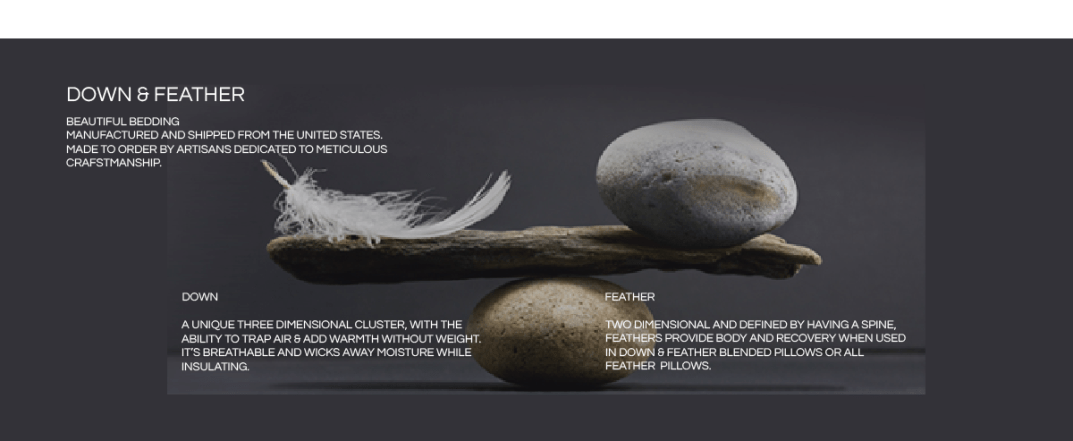

Nisha Designs partners with one of the best companies in the USA offering great quality down and feather. Please be assured that all of our products have been tested and certified against animal cruelty.
For more information click here: https://nishadesigns.com/down-feather/


 nishadesigns.com