
Being Present. Being in the Now- BBC Maestro- Nisha Designs

Being present sounds simple. And yet for most of us, it doesn’t come naturally.

Even when life slows down, our minds don’t always follow suit. We sit still, but our thoughts run ahead or loop backwards. We watch TV and scroll on our phones at the same time. We exercise while listening to our favourite podcast or song. Sound familiar?

In her course The Art of Being Present, Marina Abramović explores why presence is so difficult – and why learning to stay here, in the moment, requires far more than good intentions.

Why are we not in the present?

According to Marina, the mind almost never stays where the body is.

We are trained to live in past and future – replaying what has already happened or rehearsing what’s yet to come. The present moment, she teaches, is the only place where reality actually exists, yet it’s the place we spend the least time.

Modern life reinforces this disconnection. We rarely do just one thing at a time. And when we do slow down, impatience quickly appears. The mind looks for distraction the moment an action feels boring or uncomfortable.

Rather than signs of failure, Marina Abramović treats boredom, irritation, and restlessness as evidence that presence is beginning.

Presence is hard because it asks us to stay – without distraction, without outcome, without escape.

How to be more present

Abramović does not teach presence as a concept. She teaches it as a practice, grounded in the body.

One of the first principles is surrendering control. Presence cannot be forced. The moment we judge whether an exercise is “working,” or expect a particular feeling, the mind takes over again. Her approach begins by letting go of expectation and committing fully to the action itself.

Breathing plays a central role. Thinking is almost constant, but when we slow down our breath, the thoughts in our mind begin to slow too. In the brief gap between these thoughts, you can start to feel presence appear.

She also emphasises doing one task at a time. And committing to just that. Some exercises in her course explore drinking water consciously, walking slowly with full attention, or writing your name without lifting the pencil for a long time.

These acts are intentionally simple, yet challenging, because they leave no room for mental escape.
How to live in the present moment

So how do you practice this in daily life?

In The Art of Being Present, Marina emphasizes that presence is not a mindset you adopt, but a state you enter through action. Her exercises are deliberately simple, designed to remove distraction rather than add stimulation.

Here are a few ways to practice presence – some drawn directly from her work, others more commonly recognized – that all share the same principle: doing one thing, fully.

1. Commit to duration

Many of Marina’s exercises work because they last long enough for resistance to surface – and then pass. Some start at 15 minutes and other around an hour long. Some practices are encouraged to try for a few days. The idea is that you push past those uncomfortable feelings.

“When you sit still for ten, fifteen, twenty minutes, your body itches, and you desperately want to move. But if you actively exert willpower, generate willpower, and refuse to move no matter what, then you will open the door to the human soul.”

2. Do one everyday action slowly

Drink a glass of water, walk, or sit in a chair without multitasking. Stay with the sensations of the action itself, rather than thinking about time or outcome.

3. Slow your breathing

When breathing becomes conscious and deliberate, thinking naturally begins to slow down. If you’ve ever meditated or tried practices like Yoga, that ask you to tune inwards, you may have already experienced this feeling.

4. Commit to duration

Many of Marina’s exercises only work because they last long enough for resistance to surface – and then pass. So, it’s important to carve out enough time in your day to day lives to try some of these exercises. Aim for 1 hour, and if not, try 30 minutes.

5. Ground yourself physically

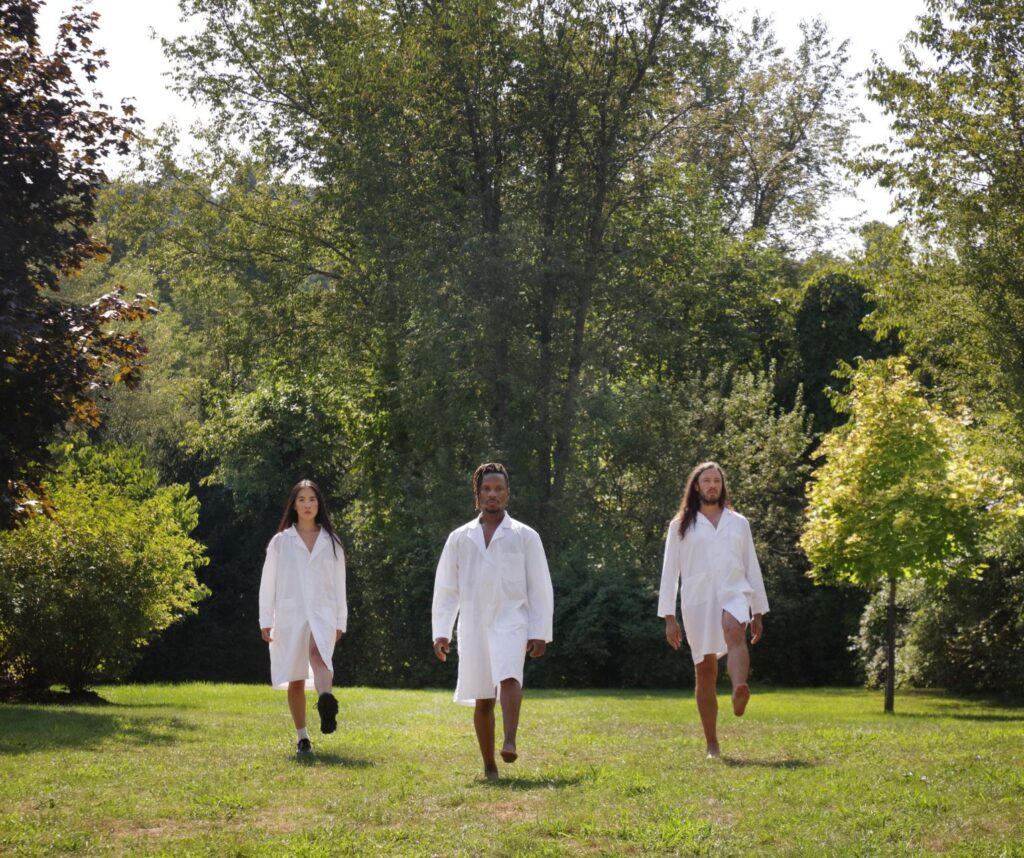
If you can, find grass to stand on. Standing firmly on the earth, feeling weight through the feet, or connecting with natural elements brings attention out of the mind and back into the body. Some people practice this barefoot; others prefer to do so with shoes on.

6. Reduce sensory input

Silence notifications, remove background noise, or step outside. Fewer stimuli make it easier to stay with what’s happening now.

“Deprivation of technology is so important,” says Marina.”The first thing that you’ll do is take your phone, switch it off. No computer (and) no watch.”

7. Let go of productivity goals

If you focus too much on the feeling you’re aiming to get to, you might not achieve the result you’re hoping for.

Presence deepens when actions are done for their own sake, not to achieve a result. So go easy on yourself. You might need to practise exercises more than once to feel benefit.

The present moment isn’t something we reach once and keep forever. It’s something we return to again and again – through the body, through attention, through letting go of expectations.

Some of these practices echo ideas explored more fully in our guide to feeling calm, where slowing down and staying with sensation plays a key role in regulating the nervous system.

Marina’s work reminds us that presence is not passive. It requires endurance, commitment, and honesty. But within that commitment, time softens, thinking loosens, and something real finally comes into focus.

Want to explore this practice more deeply? Marina Abramović’s course The Art of Being Present guides you through the exercises behind these ideas, showing how presence can be trained, slowly and deliberately, through everyday actions.


Bast Hemp Collection- Nisha Designs

Bast Hemp Collection: Natural + Sustainable Hemp Fabric

The finest collection of natural fiber fabrics from China, Romania, the Eastern Bloc of Europe, parts of Mexico and South America. Our manufacturer and developer of over 1000 hemp fabrics world wide, and a leading consultant for the hemp fiber industry.

Email us for samples, more information at nisha@nishadesigns.com and visit our site for more details about our beautiful Hemp Fabrics.

100% Wool Collection- Sustainability- Nisha Designs

We have beautiful selective patterns of 100% Wool. Sustainable, Naturally Fire Retardant. Email us for more details at nisha@nishadesigns.com and visit our page for more information.

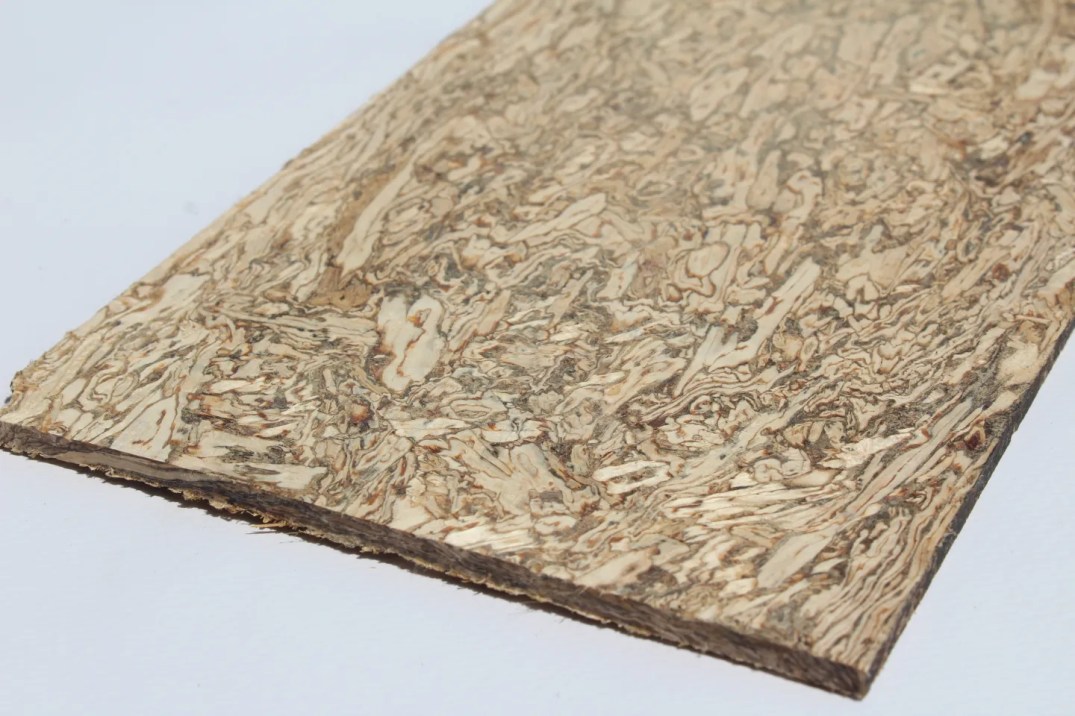
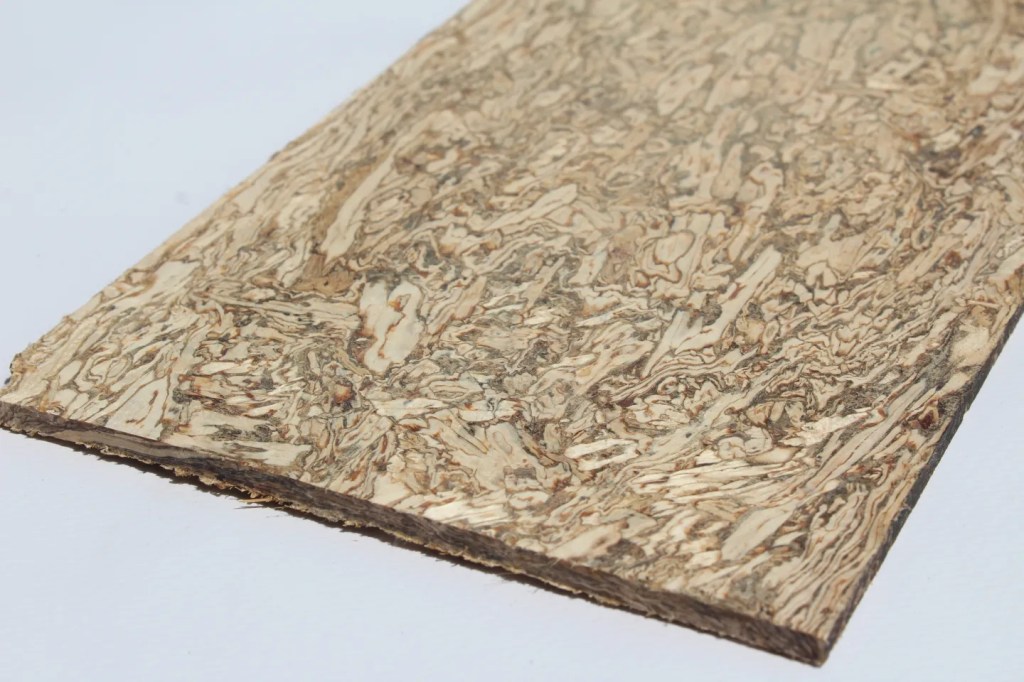
Hemp Wood-Nisha Designs

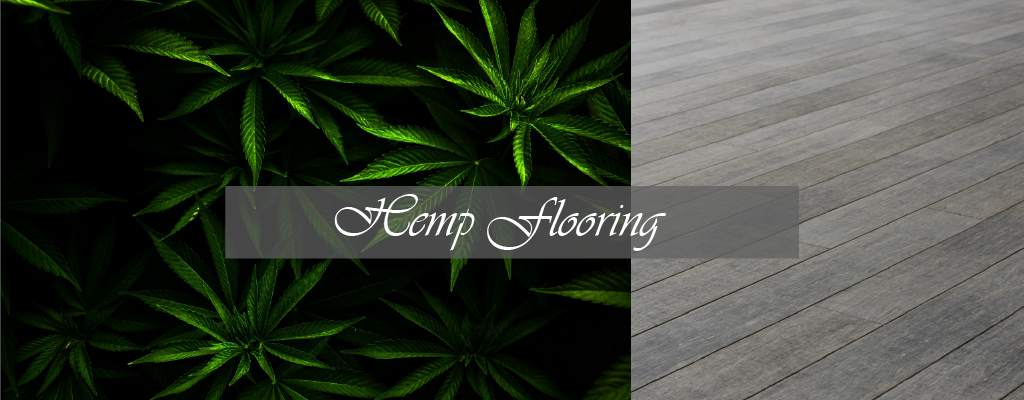
For more information email us at nisha@nishadesings.com. If you have a real project we are able to now send the samples for free. Visit our site for more information: https://nishadesigns.com/hemp-flooring/

Dover- 100% Wool- Nisha Designs

Product description

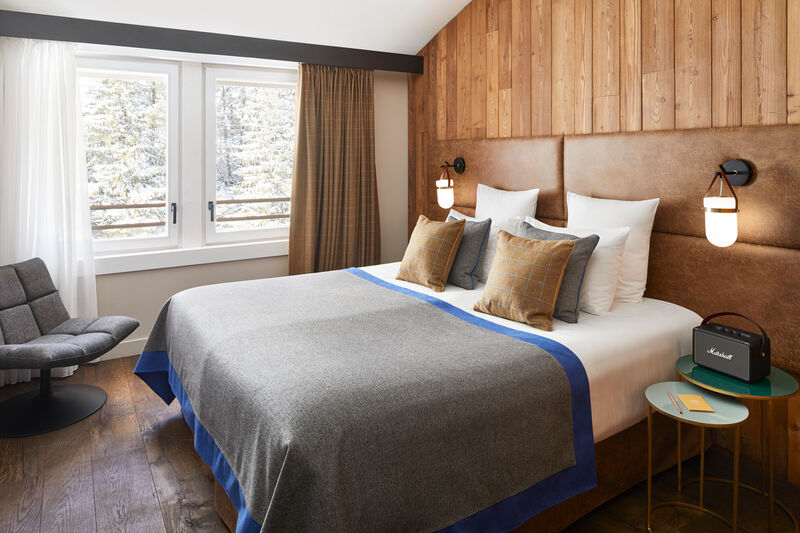
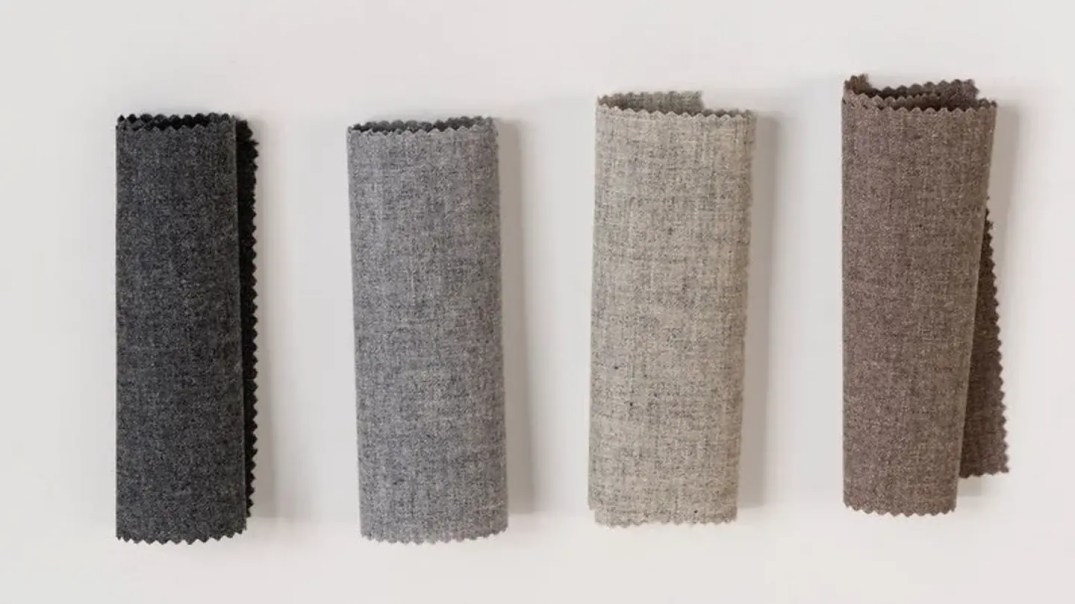
Dover is an elegant decorative fabric made from 100% extra-fine merino wool. This finely woven fabric is a high-quality curtain in a class of its own. The mulesing-free quality impresses with its soft feel and fine drape. A slight light transmission ensures a pleasant room atmosphere.
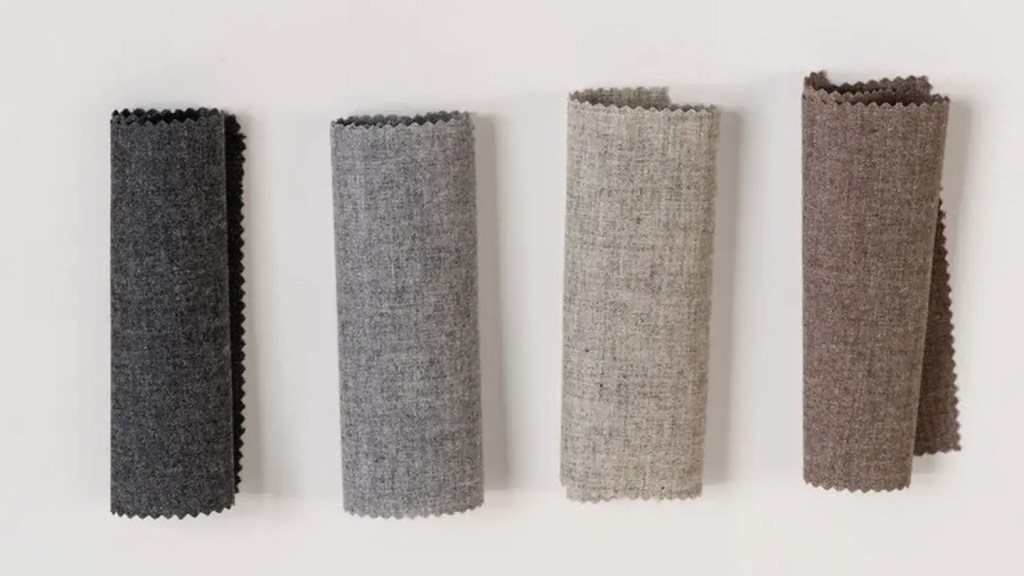
The subtle melange look in four non-colours – delicate cream, soft grey, walnut and anthracite – harmonizes perfectly with the upholstery fabrics in the collection. Dover is ideal for use in high-quality hotel projects and special areas where naturalness and aesthetics are required.

for samples and pricing/ product information please contact nisha@nishadesigns.com and we look forward to hearing from you.

Around the World in 80 Eco Spas: Alladale Wilderness Reserve, Scotland- Life & Soul Magazine- Nisha Designs

Life & Soul Magazine’s Guide to Eco Spas highlights accommodations around the world that work in harmony with the planet…

31. Alladale Wilderness Reserve, Scotland

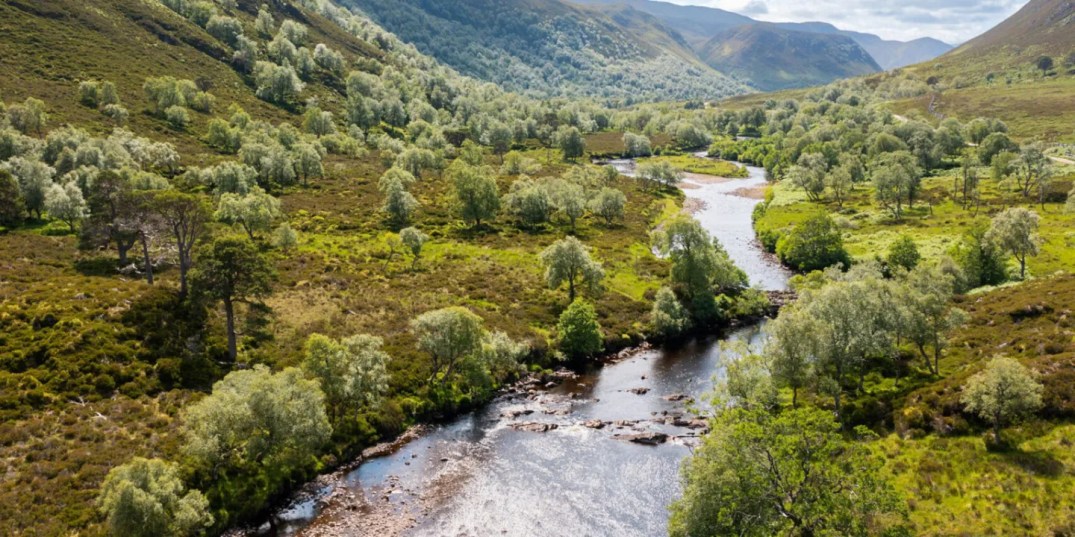
Arriving at Alladale Wilderness Reserve, where the Highlands stretch endlessly and the air carries a crisp, invigorating energy, visitors are immediately wrapped in a landscape that feels both ancient and alive. Heather paints the hillsides in soft purples, rivers sparkle as they weave through the glens, and elegant pines stand like guardians of the land. The whole scene holds a sense of timelessness, encouraging a slower pace and deeper breaths.

Alladale Wilderness Reserve is a 23,000‑acre experiment in rewilding, a place where the landscape itself feels like part of the therapy. Once a country of vast forests and thriving wildlife, much of Scotland’s natural richness gave way to farmland and human impact. Over the past 20 years, Alladale has been working to bring that balance back, restoring ancient pinewoods, native species, and wild habitats across its reserve.

Opened as a sanctuary for restoration, both for people and for the land, Alladale’s commitment to harmony is woven into every part of the experience, including the accommodation. The lodges embody rustic Highland charm infused with eco‑luxury, each shaped by the belief that comfort and wilderness can coexist beautifully. The main house, Alladale Lodge, offers roaring fireplaces, deep sofas, and sweeping views that make the mountains feel like part of the décor. Eagle’s Crag, with its sleek glass walls, frames the landscape like a moving painting, while Deanich Lodge sits so far off‑grid it feels like a private frontier, a place where silence becomes its own kind of luxury.

Wellness at Alladale is defined by nature. There is no traditional spa, but the wilderness becomes the treatment room: a sauna waiting to warm visitors after a bracing river dip, forest paths that double as meditation trails, and wild swimming spots that shock the senses awake. Days unfold gently but richly, hiking into hidden glens, watching golden eagles wheel overhead, or joining rangers to learn about the reserve’s conservation work. Chef‑prepared meals highlight local produce, bringing a nourishment that resonates with the landscape itself.

The wildlife alone feels like a living tapestry. Red deer graze on distant slopes, their silhouettes striking against the heather. Pine martens slip through the undergrowth at dusk, and newly restored woodlands echo with the chatter of red squirrels, a species that has made a remarkable comeback thanks to the reserve’s efforts. In the early morning, mist often hangs low over the glens, revealing the faint tracks of badgers or foxes, and on clear nights the sky becomes a vast, unpolluted dome of stars, perfect for stargazing. Visitors can also explore the reserve’s peatlands, which are being carefully restored to act as natural carbon stores. These moss‑rich landscapes shimmer with tiny pools and rare plants, offering a glimpse into the ancient ecology that once dominated the Highlands.

Alladale’s story is inseparable from the man who reshaped its destiny: conservationist Paul Lister. After years in the furniture industry and a life spent travelling, a personal turning point led him to rethink what he wanted his legacy to be. In 2003, he purchased Alladale with a bold vision, not simply to protect nature, but to restore it. Over the years, Lister and his team have replanted vast swathes of native forest and restored peatlands, all with an eye toward welcoming back species that once defined this landscape. Central to that vision is the wolf, an apex predator long absent from Scotland. While wolves have not yet returned, Alladale’s work is laying the ecological groundwork for their revival, sparking conversations about balance, biodiversity, and the thrill of experiencing the Highlands as they once were. 

Beyond the reserve, the wider region offers its own quiet wonders. Lochs mirror the shifting skies, salmon leap upriver at nearby Shin Falls in late summer, and the coastline to the east opens into sweeping beaches and small fishing villages that feel untouched by time. Ancient Caledonian pinewoods in Glen Affric provide some of the most atmospheric walking in Scotland, while the winding roads of the North Coast 500 reveal dramatic cliffs, hidden bays, and viewpoints that seem made for lingering.

Reaching Alladale is part of the experience. The reserve lies deep in Sutherland, around an hour’s drive north‑west of Inverness. Most visitors arrive via Inverness Airport or by train into Inverness station, before continuing by car through a landscape that grows wilder with every passing mile. The final stretch winds along single‑track roads, where sheep wander freely and the Highlands begin to feel wonderfully remote. 

Evenings at the reserve settle into a slower rhythm: whisky by the fire, stories shared under vast Highland skies, and the quiet sense that the land is doing its own kind of healing around everyone who stays. 

Alladale offers a glimpse of what the Highlands once were, and what they may become again. For visitors, it’s not only a journey into rugged beauty but also into a future where the howl of wolves might again echo across the glens.

Images Credit: Alladale Wilderness Reserve

Alladale Wilderness Reserve

Rosa Medea is Life & Soul Magazine’s Chief. She writes about lifestyles including sustainable and green living

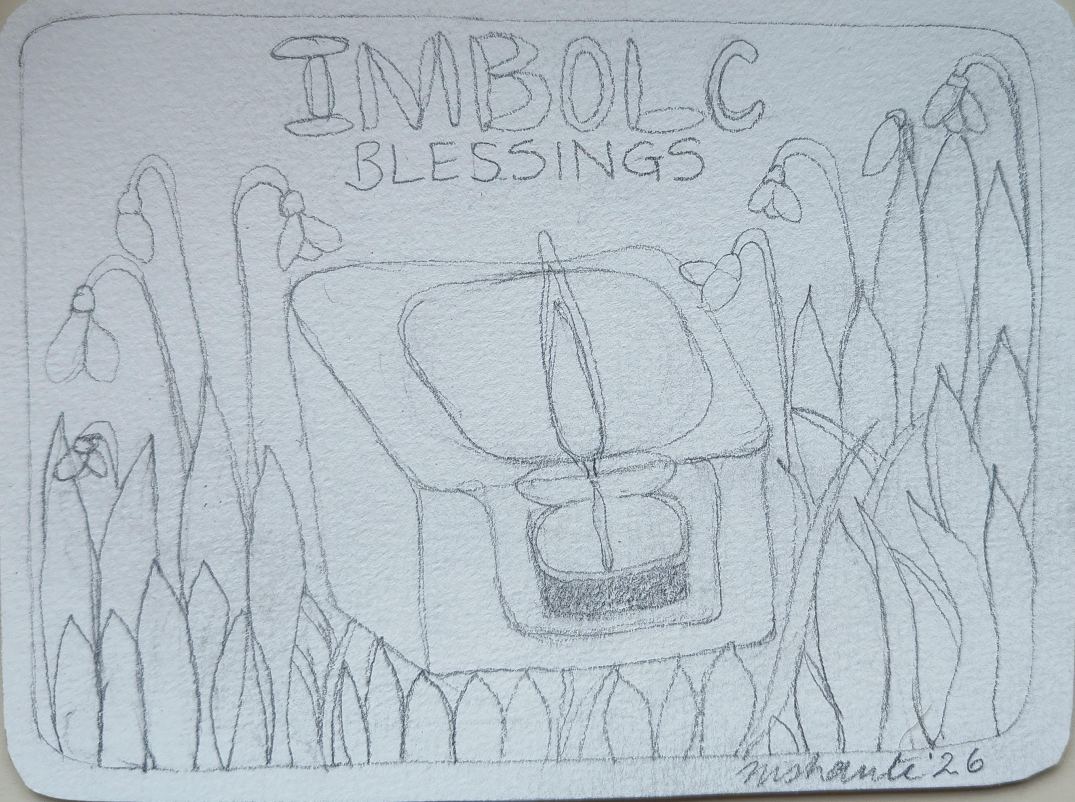
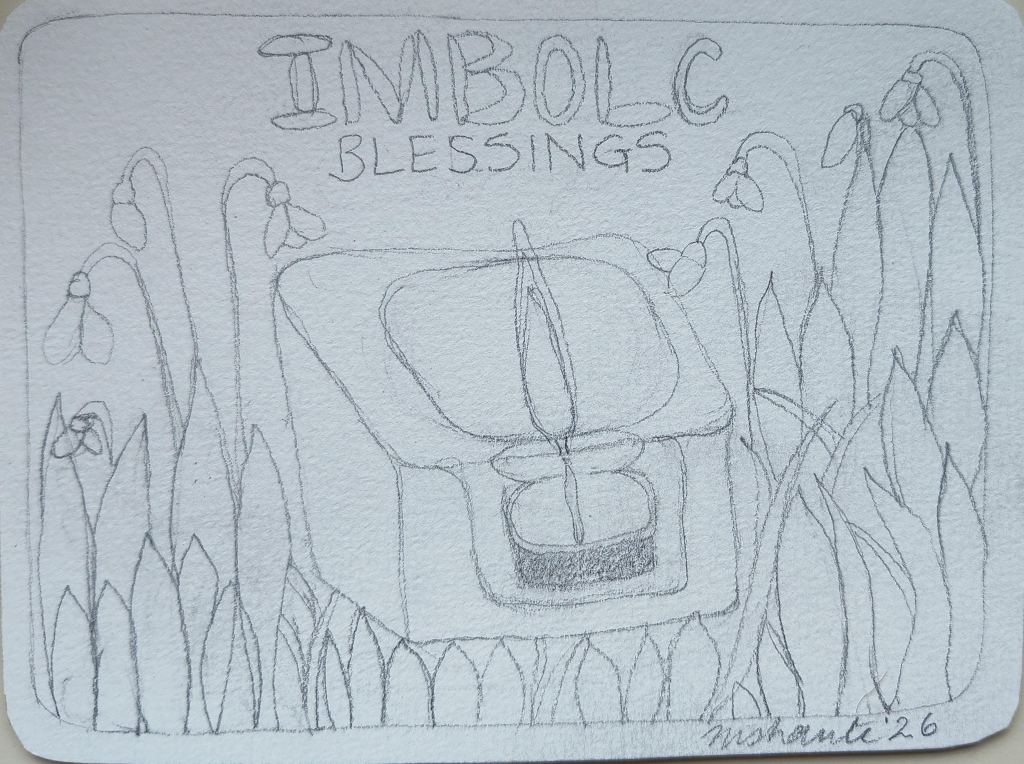
Art for the Soul- Patreon- Nisha Designs

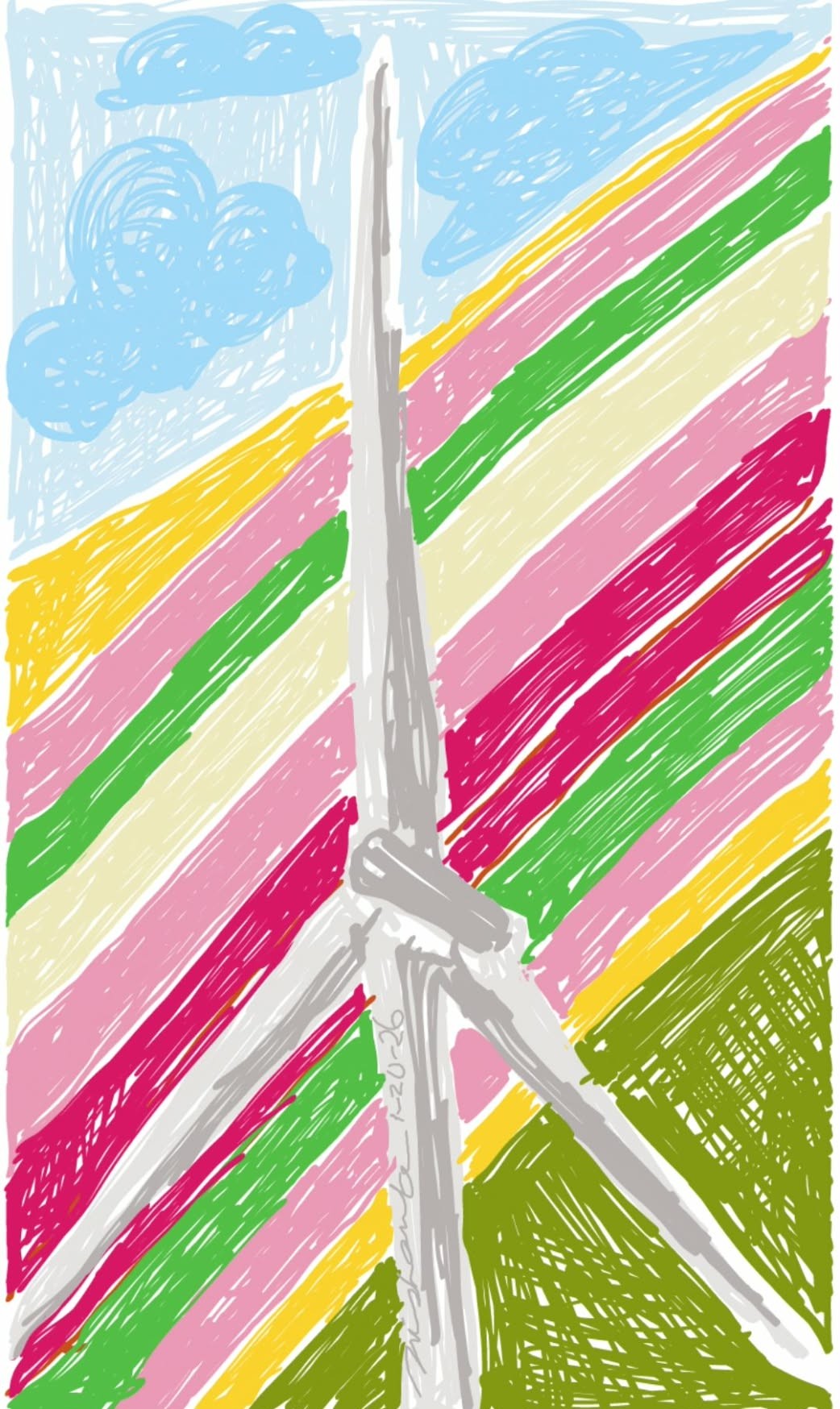
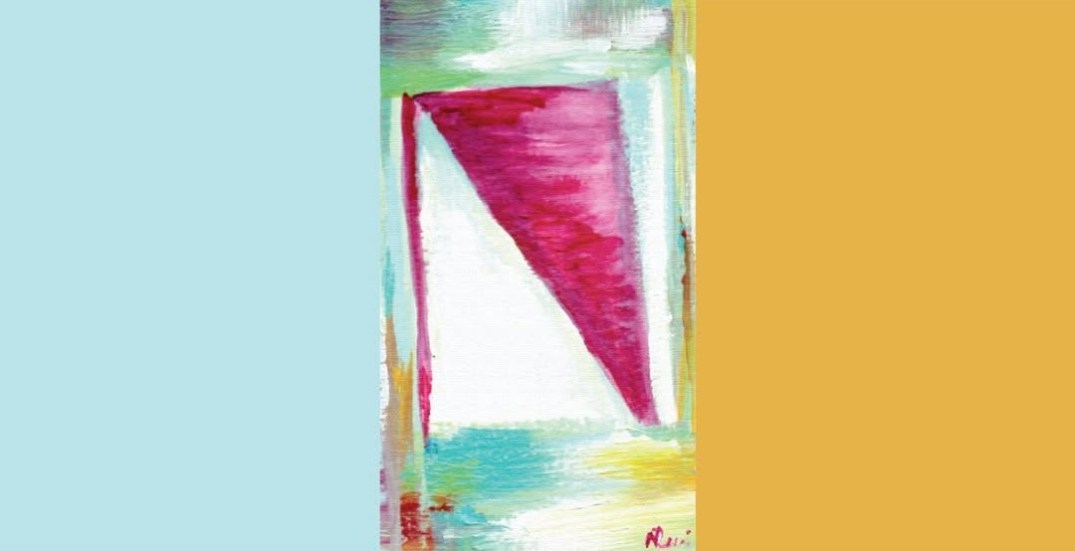
Introducing Art for the Soul on Patreon. We offer monthly raw sketches. You can print them, create around it, color it, make your own merch, visualize what that raw sketch means for you. A way to self discovery and to know who we are. Simplest form of magick to manifest what you want to create. Every month we pick whatever our heart and soul desires to draw. Sometimes we are exploring some tools ourselves. Let your imagination flow. We love Raw sketches. Hope you do too. Below is the link to our page subscription. Hope to see you all soon. Thank you Nishante.

Hemp Wood- Nisha Designs

Hemp Wood- A fine sustainable choice for your flooring. If you do have a real project then we are willing to send you the samples for free. Let us know if interested. Here is the link to our product page. Choose differently and choose sustainability. Email or call us if any questions about the product or pricing details. And we look forward to hearing from you. And Happy New Year to all lets begin this new year with being mindful for our choices for not only for you and your client but for the the planet as well. nisha@nishadesigns.com