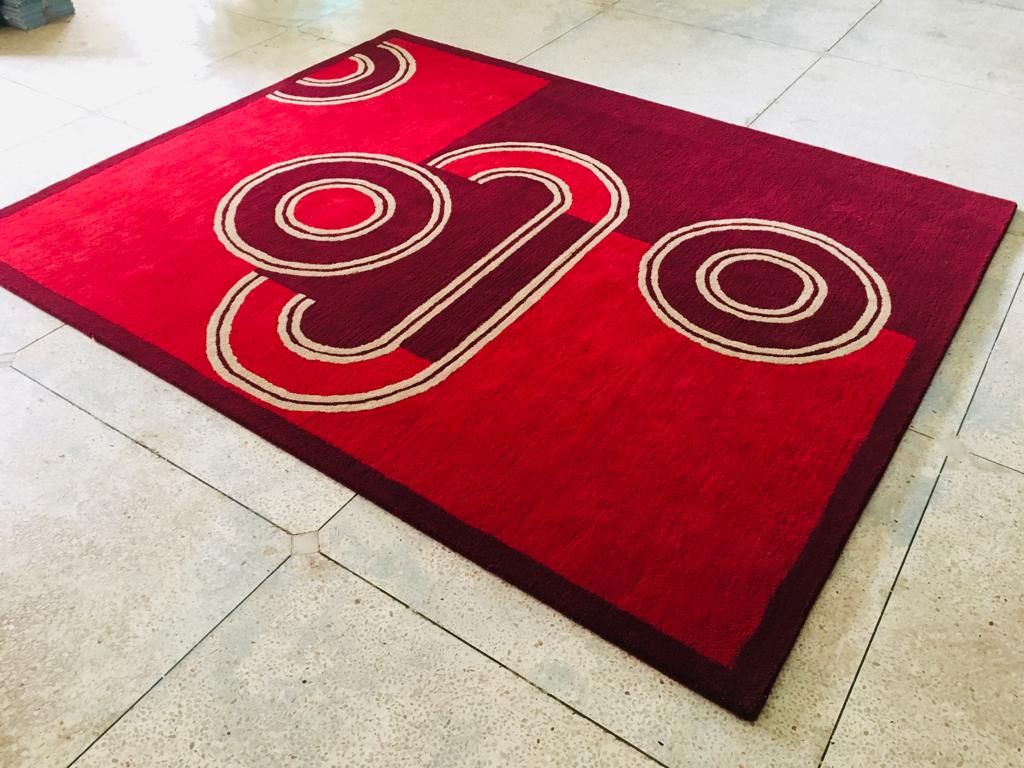
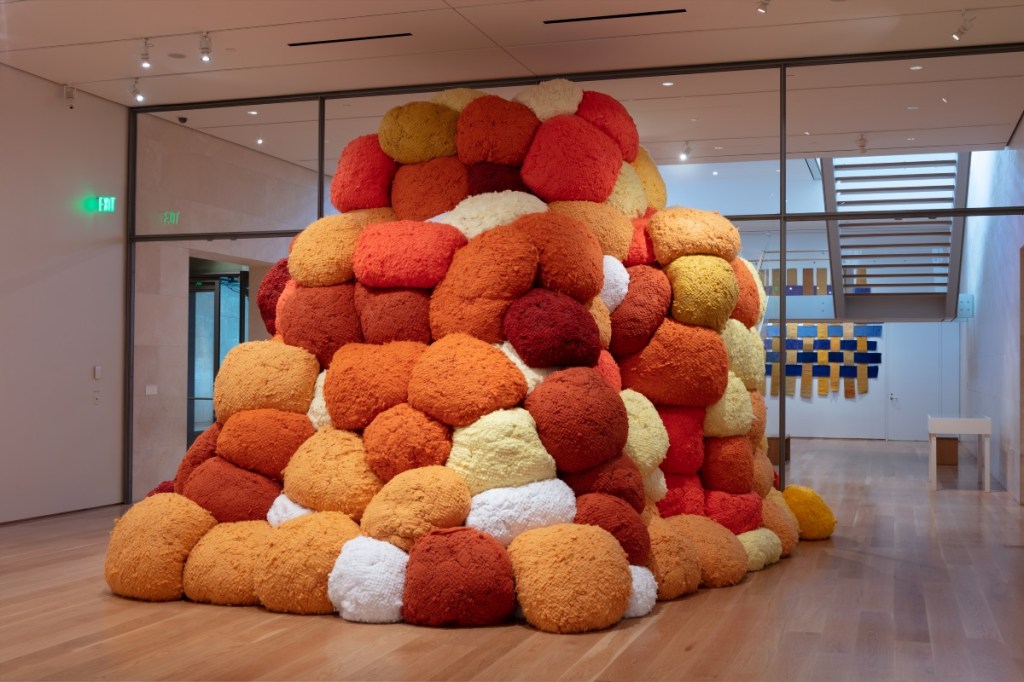
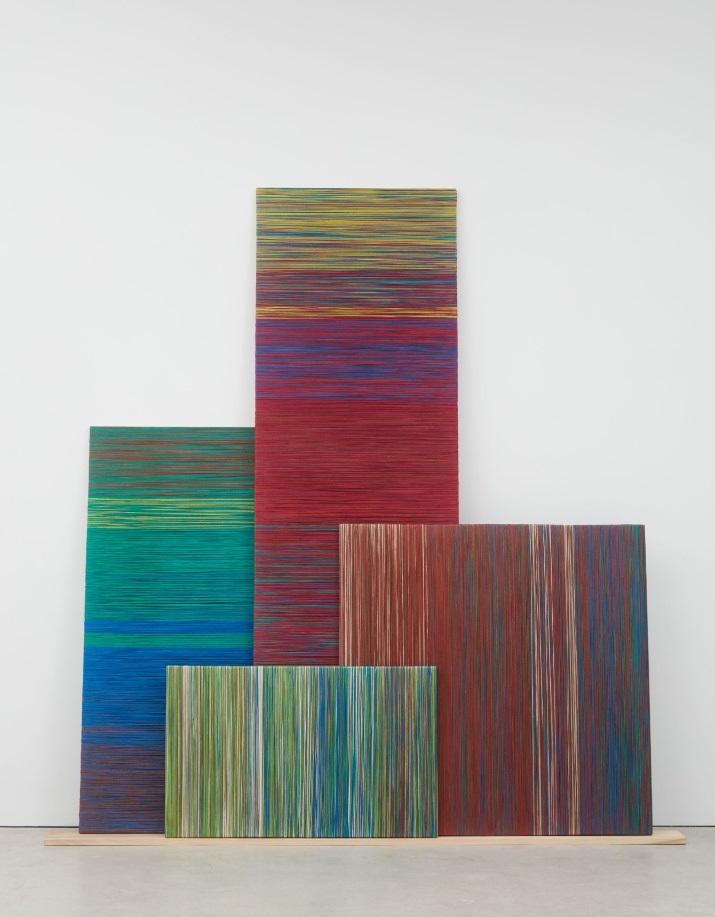
Our divine artisan carpets are handmade with all natural yarns. Minimum is one, any size, any design any technique. We can design your next carpet for your home, restaurant, hotel or create a designer collection for you. Everything is possible. Support handmade creations and artisans.
Please email us your queries to Nisha Desai at nisha@nishadesigns.com or 702-622-8321
We look forward to hearing from you and working for you.
Fire festivals Fire was believed to have purifying qualities – it cleansed and rejuvenated both the land and the people. The ritual welcoming of the sun and the lighting of the fires was also believed to ensure the fertility of the land and the people. Animals were transferred from winter pens to summer pastures and […]
Kwento Comics, an all-female comic book company focused on Southeast Asian stories, has launched its first graphic novel inspired by Philippine mythology, The Mask of Haliya. The Mask of Haliya is a young adult urban fantasy that follows the journey of a troubled Filipina-American teen who discovers a mysterious mask at her great-grandmother’s wake. The story […]
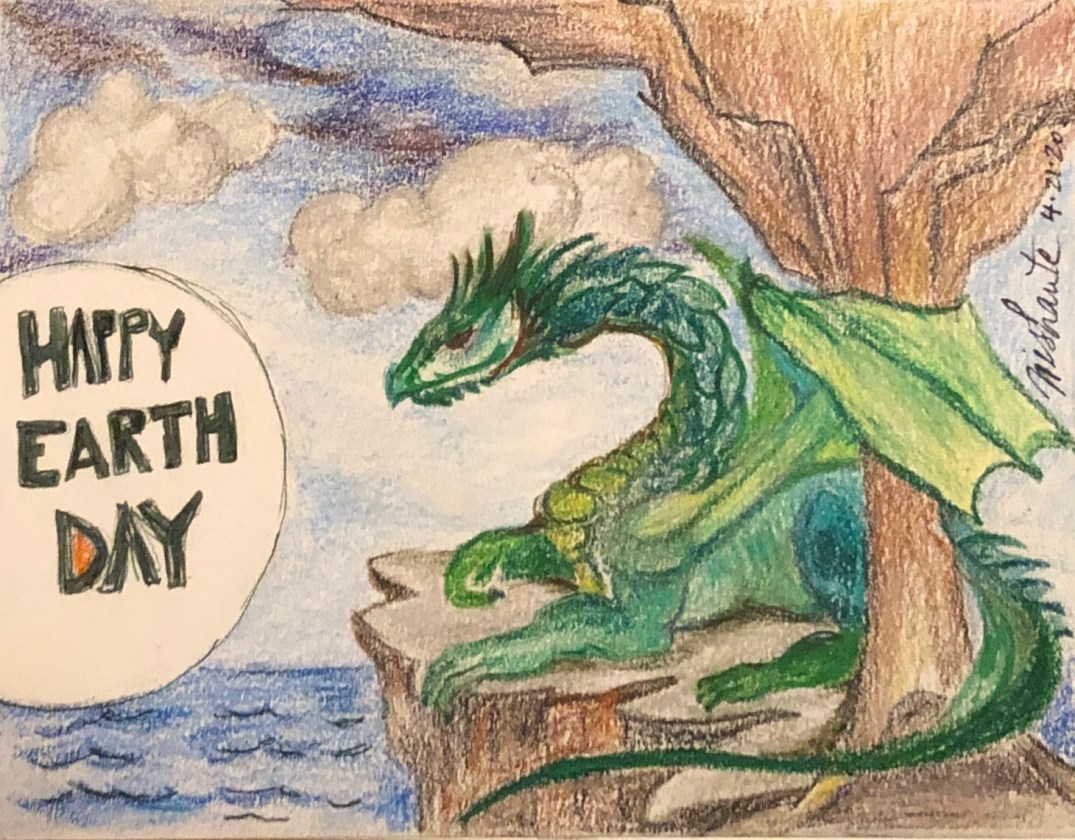
The Celtic symbol of the dragon is magical, one of transformation and eternal wisdom. The druids respected dragons as forces of nature, the guardians of mother earth and all things sacred, the protectors of nature and all living things. The dragon holds the powerful Celtic symbol of protection and power. These magical beings represented all that the universe has to offer.
Dragon soul energy was worshiped and used for the greater good. At special celebrations of the turning seasons of the year, to harvest the right crops, as a true guardian for all they held sacred.
The earth soul dragon has a symbolism of nature and all things connected to our Mother Earth. The earth soul dragon asks us to connect with nature in all of its beauty. The true wealth is not money but the beauty of our land and its magick, it’s sources and resources.
Artist Derick Fabian creates character designs inspired by graffiti art, anime, and Sanrio such as Hello Kitty. Everything from “simple and cute to the more detailed and cool style”, the Hawai’i-based artist is not afraid to follow through on what he is intuitively guided. The 7Sketches founder says: “I illustrate characters. From simple and cute […]
What is Japandi? Japandi (Japanese minimalism + Scandinavian hygge) is everywhere you look these days. Get the look yourself with perfectly imperfect décor and accents, functional pieces, and layers of natural materials. […] Japandi: A Blend of Minimalism & Hygge — Wyndesong’s Place
“Paint Box” (1302–1070 BCE), Egyptian, ceramic and pigment cakes, 2 5/16 x 8 11/16 x 2 3/16 inches, RISD Museum (courtesy RISD Museum)
Despite all of the ancient painted objects in our museums, it’s rare to see an actual paint set.
For all the paint fragments found throughout the ancient world, on murals, pottery, sculpture, and scrolls, surprisingly few ancient paint palettes have been uncovered. Ancient palettes in the collections of the Metropolitan Museum of Art in New York, the British Museum in London, and the Louvre in Paris — among other institutions — number in the single digits. This is even more surprising now that scholars know ancient Greek and Roman statues were vibrantly painted.
The palettes we do have, many of which still contain traces of original pigment, show us how people painted, but they also tell us about the role of the painter in ancient civilizations.
“Scribe’s Palette” (ca. 2030-1550 BCE), Egyptian, wood and pigment, 13 5/8 x 1 11/16 x 11/16 inches, Metropolitan Museum of Art (courtesy Metropolitan Museum of Art)
Most of the existing paint boxes and palettes are Ancient Egyptian: They belonged to scribes, tomb painters, and recreational painters of the upper classes. Some include the original brushes — for scribes, pen-like lengths of rush grass, and for professional and recreational illustrators, thicker bundles of grass to compose larger images.
“Paint Box of Vizier Amenemope” (ca. 1427-1401 BCE), boxwood with inscription inlaid in Egyptian blue, 7/8 x 8 1/4 x 1 7/16 inches, The Cleveland Museum of Art (courtesy Cleveland Museum of Art)
Scribes’ palettes mostly held only red and black pigments and many bear inscriptions of the king’s name, suggesting the importance of the scribe in the eyes of the ruler. Inscriptions with the king’s name — as in a palette at the British Museum featuring hieroglyphs in high relief that read “the perfect god, lord of the Two Lands, Nebpehtire, s[on of Ra, Ahmose]” — may have noted that the owner was the king’s official scribe and suggest that perhaps the king himself gave the palette to the scribe.
An Ancient Egyptian painting palette owned by a professional painter and housed at the Met also bears the king’s name, but one at the Cleveland Museum of Art includes the name of the owner himself, signifying it was likely used for leisurely painting. Unlike scribes’ bicolor palettes, recreational and tomb painters used a wider range of colors, all naturally occurring besides so-called “Egyptian blue.”
Replacing the expensive lapis lazuli, Egyptian blue was a synthetic compound made by heating malachite, sand, and other materials to a temperature of 1,500-2,000 degrees Fahrenheit. The method was adopted by the Ancient Romans, but by the Middle Ages, the process was lost, and painters relied once again on the prohibitively expensive lapis lazuli.
“Painter’s Palette Inscribed with the Name of Amenhotep III” (ca. 1390–1352 BCE), ivory and pigment, 6 7/8 x 1 3/4 inches x 3/8 inches, The Metropolitan Museum of Art (courtesy The Metropolitan Museum of Art)
In Ancient Egypt, blue was used to paint the gods (red, yellow, black, and green all came from the ground, making them unfit to depict deities). This concept is seen again in Christian art centuries later, with Mary and Jesus repeatedly depicted in blue.
Across the world and made centuries after the Egyptian palettes, another ancient paint setlinks the painter to the divine.
Spring Equinox/Ostara How to Celebrate Now The Spring Equinox is a time of new beginnings, of action, of planting seeds for future grains, and of tending gardens. Spring is a time of the Earth’s renewal, a rousing of nature after the cold sleep of winter. Eggs and Egg Baskets, coloring eggs, bird watching, egg hunts, […]
Spring Equinox Celebrations in the past For early Pagans in the Germanic countries, this was a time to celebrate planting and the new crop season. Typically, the Celtic peoples did not celebrate Ostara as a holiday, although they were in tune with the changing of the seasons. Persian kings known as the Achaemenians celebrated the […]
Beth Moon, a photographer based in San Francisco, has been searching for the world’s oldest trees for the past 14 years. She has traveled all around the globe to capture the most magnificent trees that grow in remote locations and look as old as the world itself.
“Standing as the earth’s largest and oldest living monuments, I believe these symbolic trees will take on a greater significance, especially at a time when our focus is directed at finding better ways to live with the environment” writes Moon in her artist statement.
Sixty of Beth Moon’s duotone photos were published in a book titled “Ancient Trees: Portraits Of Time”. Here you can have a sneak preview of the book, full of strangest and most magnificent trees ever.