Beltane Customs — Lady Dyanna ~ Spiritual Life Coach| Intuitive Reader |Tarot Reader

Fire festivals Fire was believed to have purifying qualities – it cleansed and rejuvenated both the land and the people. The ritual welcoming of the sun and the lighting of the fires was also believed to ensure the fertility of the land and the people. Animals were transferred from winter pens to summer pastures and […]

Beltane Customs — Lady Dyanna ~ Spiritual Life Coach| Intuitive Reader |Tarot Reader

Beltane Herb: Sweet Woodruff — Ravenhawks’ Magazine Magick for Mind Body and Soul

The Sweet Woodruff, a favorite little plant growing in woods and on shaded hedgebanks, may be readily recognized by its small white flowers (in bloom in May and June) set on a tender stalk, with narrow, bright-green leaves growing beneath them in successive, star-like whorls, just as in Clivers or Goosegrass, about eight leaves to […]

Beltane Herb: Sweet Woodruff — Ravenhawks’ Magazine Magick for Mind Body and Soul

Beltane Customs and Practices — Ravenhawks’ Magazine Magick for Mind Body and Soul

Bringing in the May In old England, the young people went out into the woods on May Day Eve and stayed all night, returning in the morning, laden with flowers and green branches. The Puritan writer, Philip Stubbes, has an interesting way of explaining the nature of the sacred rites which took place in the […]

Beltane Customs and Practices — Ravenhawks’ Magazine Magick for Mind Body and Soul

Beltane — Ravenhawk’s Magickal Products

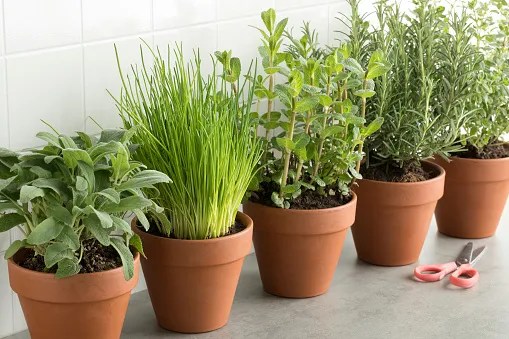
Magickal Gardens Beltane reminds us that warmer weather is just ahead, It is getting time for those of us in the North-Eastern section of the US to start thinking about gardening. even if you have no room to plant a garden, container gardens are possible. Some of the herbs that will grow readily indoors or…

Beltane — Ravenhawk’s Magickal Products

All-female Kwento Comics aim to inspire young women with Filipina heroine in graphic novel series — Life & Soul Magazine

Kwento Comics, an all-female comic book company focused on Southeast Asian stories, has launched its first graphic novel inspired by Philippine mythology, The Mask of Haliya. The Mask of Haliya is a young adult urban fantasy that follows the journey of a troubled Filipina-American teen who discovers a mysterious mask at her great-grandmother’s wake. The story […]

All-female Kwento Comics aim to inspire young women with Filipina heroine in graphic novel series — Life & Soul Magazine

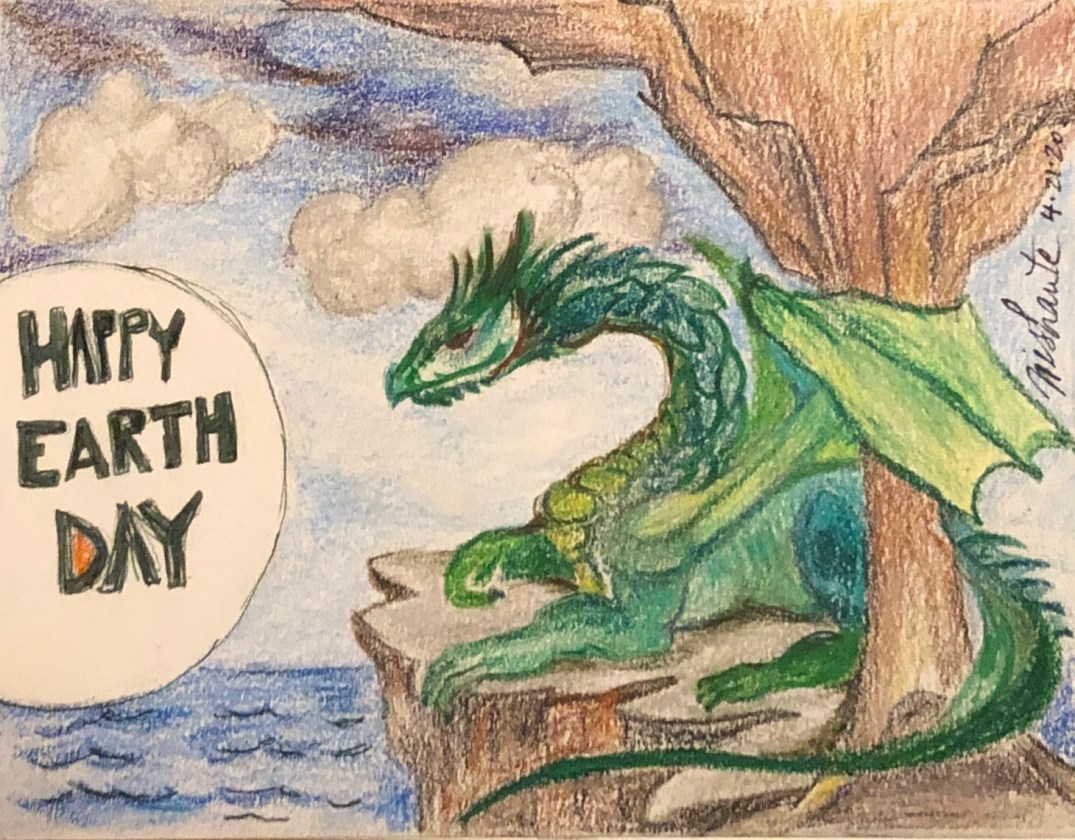
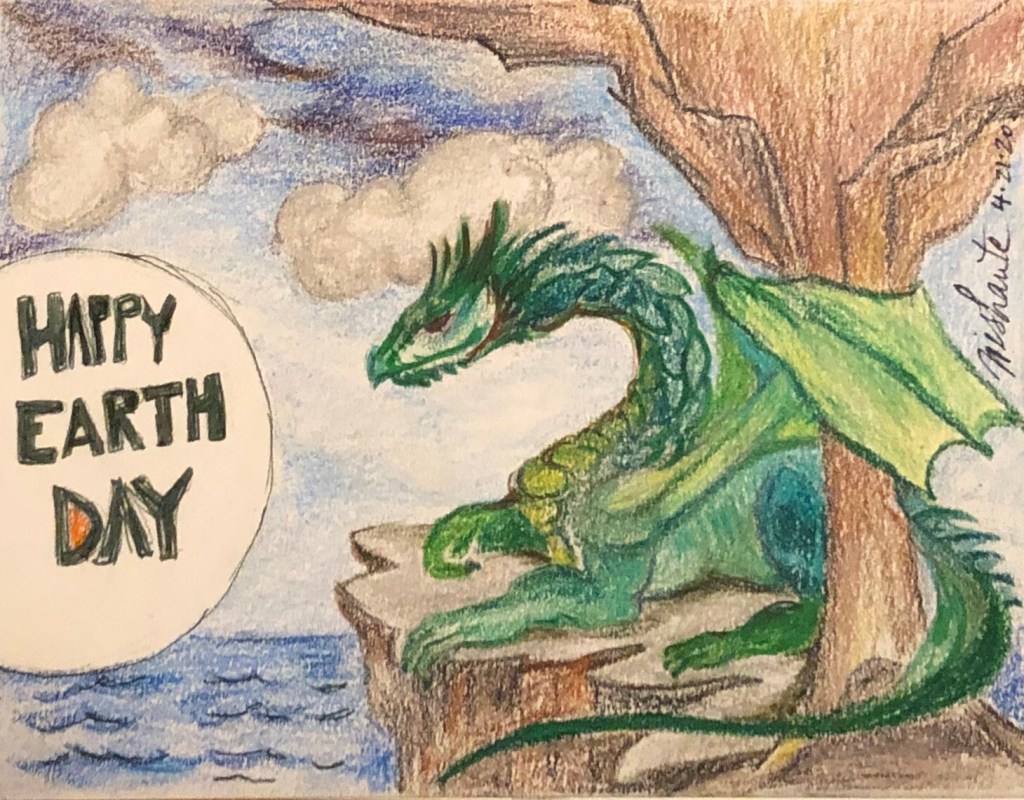
Earth Day 2022: Earth Soul Dragon- Nisha Designs

The Celtic symbol of the dragon is magical, one of transformation and eternal wisdom. The druids respected dragons as forces of nature, the guardians of mother earth and all things sacred, the protectors of nature and all living things. The dragon holds the powerful Celtic symbol of protection and power. These magical beings represented all that the universe has to offer.

Dragon soul energy was worshiped and used for the greater good. At special celebrations of the turning seasons of the year, to harvest the right crops, as a true guardian for all they held sacred.

The earth soul dragon has a symbolism of nature and all things connected to our Mother Earth. The earth soul dragon asks us to connect with nature in all of its beauty. The true wealth is not money but the beauty of our land and its magick, it’s sources and resources.

Custom Commission Art. Call. Email. Nisha@nishadesigns.com. 702.622.8321

7Sketches: Hawaiian artist Derick Fabian “just goes for it” after years attempting to combine art with “something sensible” — Life & Soul Magazine

Artist Derick Fabian creates character designs inspired by graffiti art, anime, and Sanrio such as Hello Kitty. Everything from “simple and cute to the more detailed and cool style”, the Hawai’i-based artist is not afraid to follow through on what he is intuitively guided. The 7Sketches founder says: “I illustrate characters. From simple and cute […]

7Sketches: Hawaiian artist Derick Fabian “just goes for it” after years attempting to combine art with “something sensible” — Life & Soul Magazine

Beautiful shots of the water lily harvest in Vietnam captured by the lens of Pham Huy Trung- Visualflood- Nisha Designs

Beautiful Shots Of The Water Lily Harvest In Vietnam Captured By The Lens Of Pham Huy Trung 1
Curated by Leandro Lima
Beautiful Shots Of The Water Lily Harvest In Vietnam Captured By The Lens Of Pham Huy Trung 2

A selection of stunning pictures of the water lily harvest in Vietnam, captured by Pham Huy Trung, a talented Vietnamese photographer based in Ho Chi Minh City.

Beautiful Shots Of The Water Lily Harvest In Vietnam Captured By The Lens Of Pham Huy Trung 3
Beautiful Shots Of The Water Lily Harvest In Vietnam Captured By The Lens Of Pham Huy Trung 4
Beautiful Shots Of The Water Lily Harvest In Vietnam Captured By The Lens Of Pham Huy Trung 5

Source: CEO-founder of Visualflood. A Brazilian fine art photographer, among other things, who loves visual arts, nature, science, and innovative technologies. You can follow him on Facebook and Instagram.

Japandi: A Blend of Minimalism & Hygge- Wyndesong’s Place

What is Japandi? Japandi (Japanese minimalism + Scandinavian hygge) is everywhere you look these days. Get the look yourself with perfectly imperfect décor and accents, functional pieces, and layers of natural materials. […] Japandi: A Blend of Minimalism & Hygge — Wyndesong’s Place

Japandi: A Blend of Minimalism & Hygge — Wyndesong’s Place — Ravenhawks’ Magazine Magick for Mind Body and Soul

Fiber Artists- Sheila Hicks- Nisha Designs

Hicks, who has made fiber the foundation of her practice for 60 years, is one of the world’s most celebrated artists.

Sheila Hicks, Abacus Lino Rising, 2019.
Sheila Hicks, Seven Magic Rain Dances (detail), 2019.
Sheila Hicks, Sentinel of Saffron, 2018.
Sheila Hicks, Chaine et trame interchangeable, 1983-2016.

Installation view, Sheila Hicks at the Nasher Sculpture Center.

Sheila Hicks (all), Sober Streak Green, 2019; Sober Streak Violet, 2019; Sober Streak Blue, 2019.
Sheila Hicks, Multi-colored Minime, ca 1962.
Sheila Hicks, Zapallar, 1958 (left);, Cluny II, 2008.
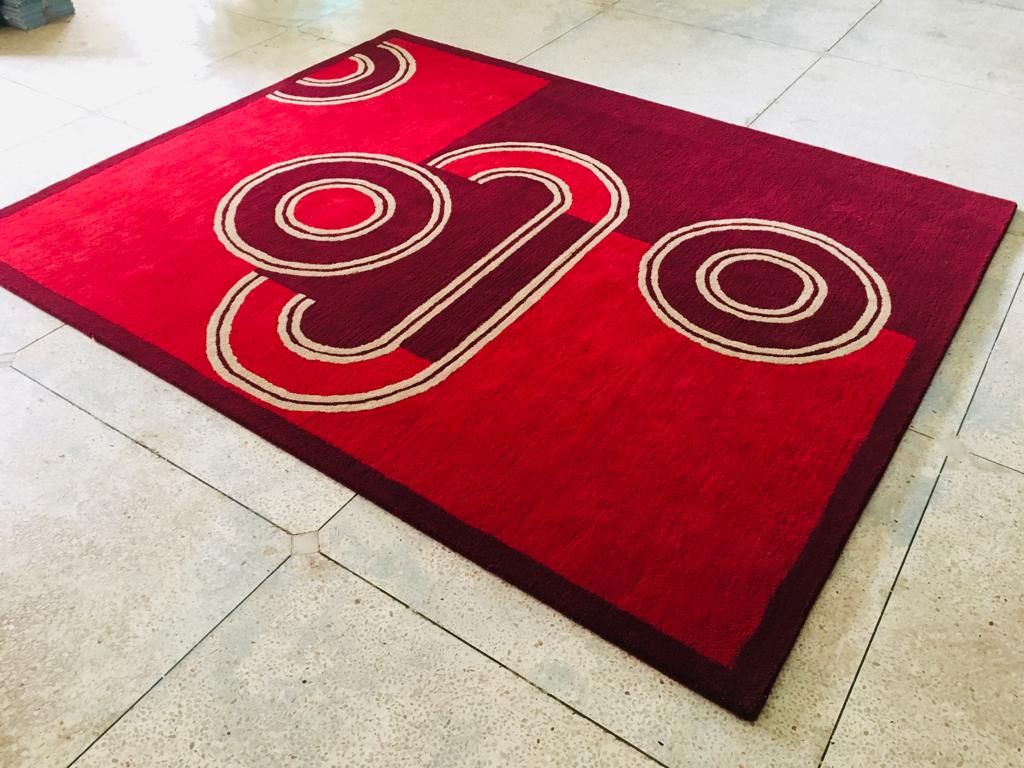
Sheila Hicks, Prayer Rug, 1965.
Sheila Hicks, North South East West, 2017-18.
Sheila Hicks, Sunset Pavilion Inhabited, 2015.
Sheila Hicks, May I have This Dance, 2011 (as installed at the ICA Philadelphia).

Source: https://www.sheilahicks.com/

From Ancient Egypt to Teotihuacán, Centuries-Old Palettes Illuminate the Role of the Painter- Hyperallergic- Nisha Designs

“Paint Box” (1302–1070 BCE), Egyptian, ceramic and pigment cakes, 2 5/16 x 8 11/16 x 2 3/16 inches, RISD Museum (courtesy RISD Museum)

Despite all of the ancient painted objects in our museums, it’s rare to see an actual paint set.

For all the paint fragments found throughout the ancient world, on murals, pottery, sculpture, and scrolls, surprisingly few ancient paint palettes have been uncovered. Ancient palettes in the collections of the Metropolitan Museum of Art in New York, the British Museum in London, and the Louvre in Paris — among other institutions — number in the single digits. This is even more surprising now that scholars know ancient Greek and Roman statues were vibrantly painted. 

The palettes we do have, many of which still contain traces of original pigment, show us how people painted, but they also tell us about the role of the painter in ancient civilizations.


“Scribe’s Palette” (ca. 2030-1550 BCE), Egyptian, wood and pigment, 13 5/8 x 1 11/16 x 11/16  inches, Metropolitan Museum of Art (courtesy Metropolitan Museum of Art)

Most of the existing paint boxes and palettes are Ancient Egyptian: They belonged to scribes, tomb painters, and recreational painters of the upper classes. Some include the original brushes — for scribes, pen-like lengths of rush grass, and for professional and recreational illustrators, thicker bundles of grass to compose larger images.


“Paint Box of Vizier Amenemope” (ca. 1427-1401 BCE), boxwood with inscription inlaid in Egyptian blue, 7/8 x 8 1/4 x 1 7/16 inches, The Cleveland Museum of Art (courtesy Cleveland Museum of Art)

Scribes’ palettes mostly held only red and black pigments and many bear inscriptions of the king’s name, suggesting the importance of the scribe in the eyes of the ruler. Inscriptions with the king’s name — as in a palette at the British Museum featuring hieroglyphs in high relief that read “the perfect god, lord of the Two Lands, Nebpehtire, s[on of Ra, Ahmose]” — may have noted that the owner was the king’s official scribe and suggest that perhaps the king himself gave the palette to the scribe.

An Ancient Egyptian painting palette owned by a professional painter and housed at the Met also bears the king’s name, but one at the Cleveland Museum of Art includes the name of the owner himself, signifying it was likely used for leisurely painting. Unlike scribes’ bicolor palettes, recreational and tomb painters used a wider range of colors, all naturally occurring besides so-called “Egyptian blue.” 

Replacing the expensive lapis lazuli, Egyptian blue was a synthetic compound made by heating malachite, sand, and other materials to a temperature of 1,500-2,000 degrees Fahrenheit. The method was adopted by the Ancient Romans, but by the Middle Ages, the process was lost, and painters relied once again on the prohibitively expensive lapis lazuli.


“Painter’s Palette Inscribed with the Name of Amenhotep III” (ca. 1390–1352 BCE), ivory and pigment, 6 7/8 x 1 3/4 inches x 3/8 inches, The Metropolitan Museum of Art (courtesy The Metropolitan Museum of Art)

In Ancient Egypt, blue was used to paint the gods (red, yellow, black, and green all came from the ground, making them unfit to depict deities). This concept is seen again in Christian art centuries later, with Mary and Jesus repeatedly depicted in blue. 

Across the world and made centuries after the Egyptian palettes, another ancient paint setlinks the painter to the divine. 

Source: https://hyperallergic.com/719033/centuries-old-palettes-illuminate-the-role-of-the-painter/