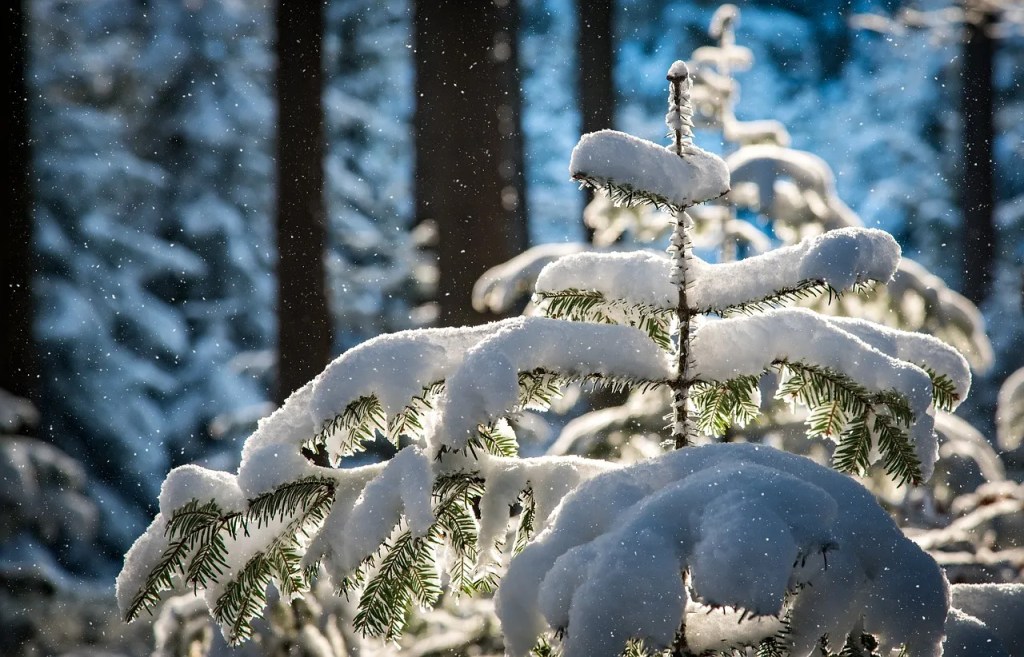
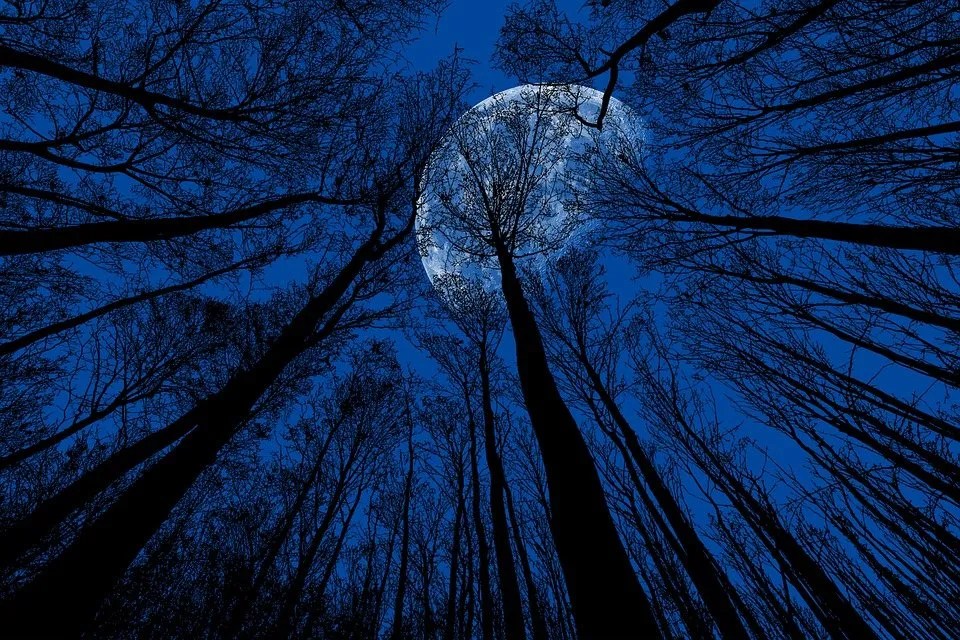
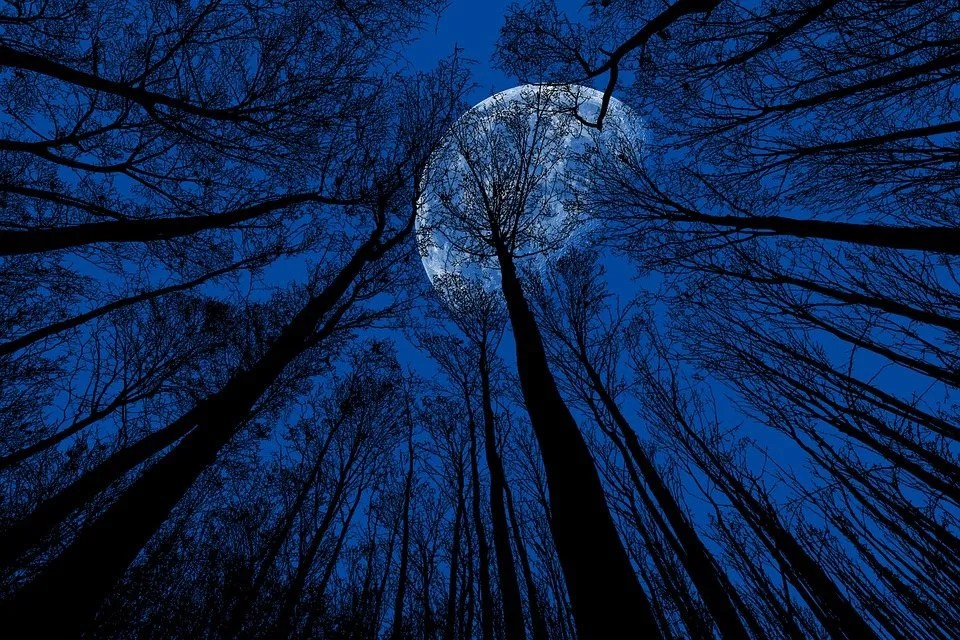
In the silent night of winter A forest of wonder awaits Where the snowflakes glitter And the stars illuminate
The trees are evergreen and tall They shelter the creatures below Who dance and sing and have a ball In the light of the moon’s glow
Among the animals and fairies There is magic in the air They share their stories and their berries And their secrets very rare
This is a place of mystery and delight A hidden realm of beauty and grace Where dreams come true and wishes take flight In the magical winter forest’s embrace
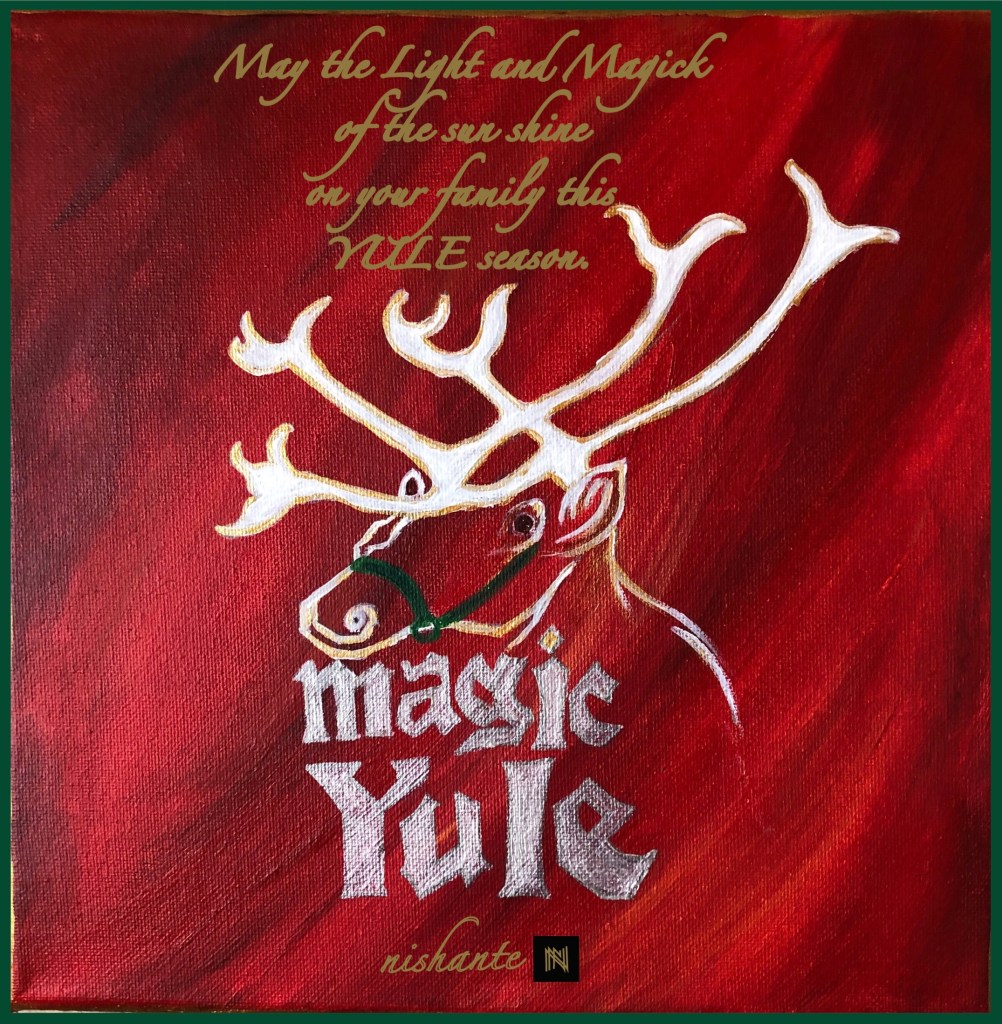
Yule Wishes, Happy Winter Solstice and Seasons Greetings
The magick and spirit of the season is the Continuity of Life, Protection, Prosperity all symbolic of the evergreen. And so let the season of magick fill your heart, home and family with grace, love, joy, peace and gratitude this holiday season. May this magick be your guide to all your endeavors, opportunities and all the possibilities coming in for you in every aspect of your life. We thank you our followers and supporters for your continued support and being part of Nisha Designs journey. And wish you all Happy Holidays, Merry Christmas and a Happy New Year from our heart to yours- Nisha Desai
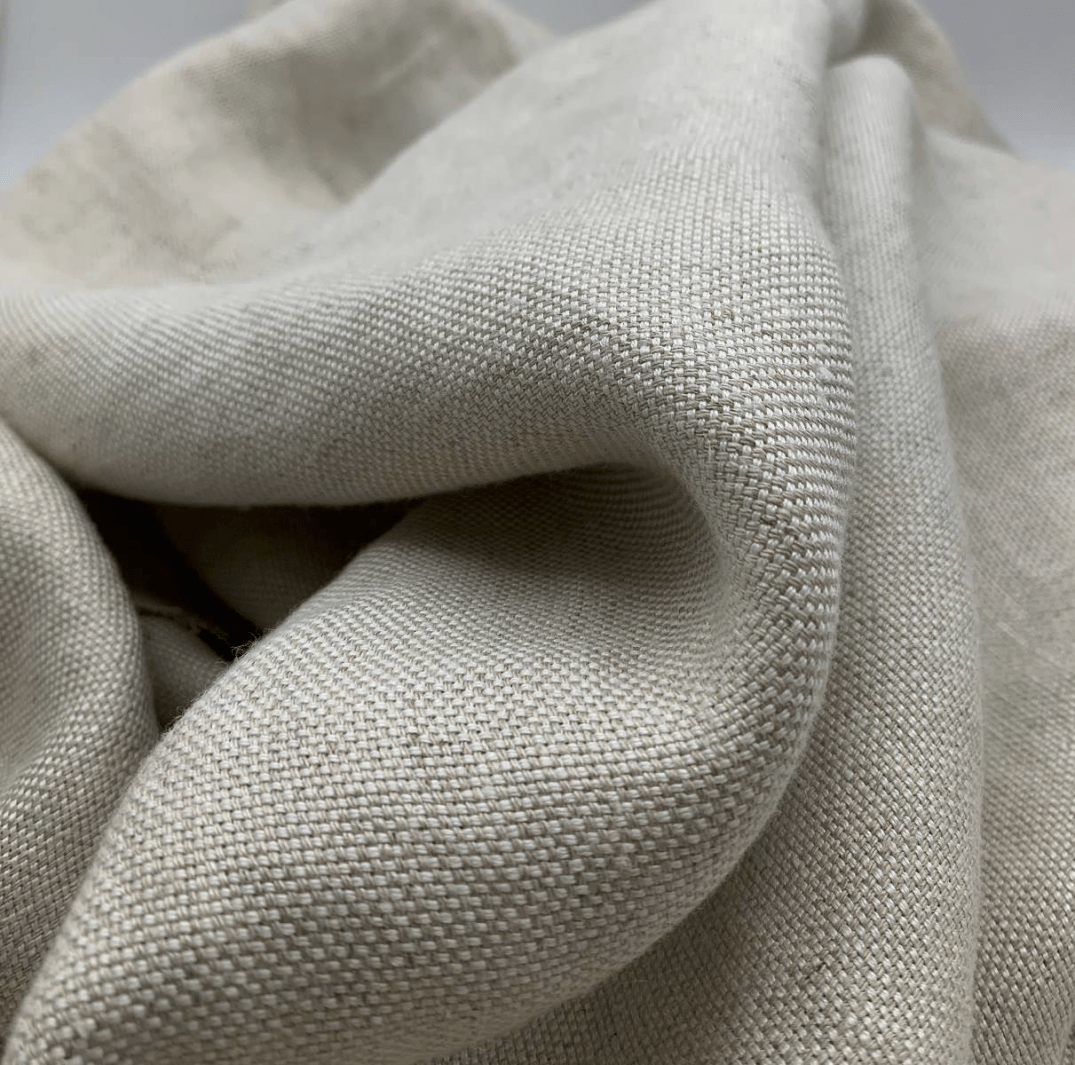
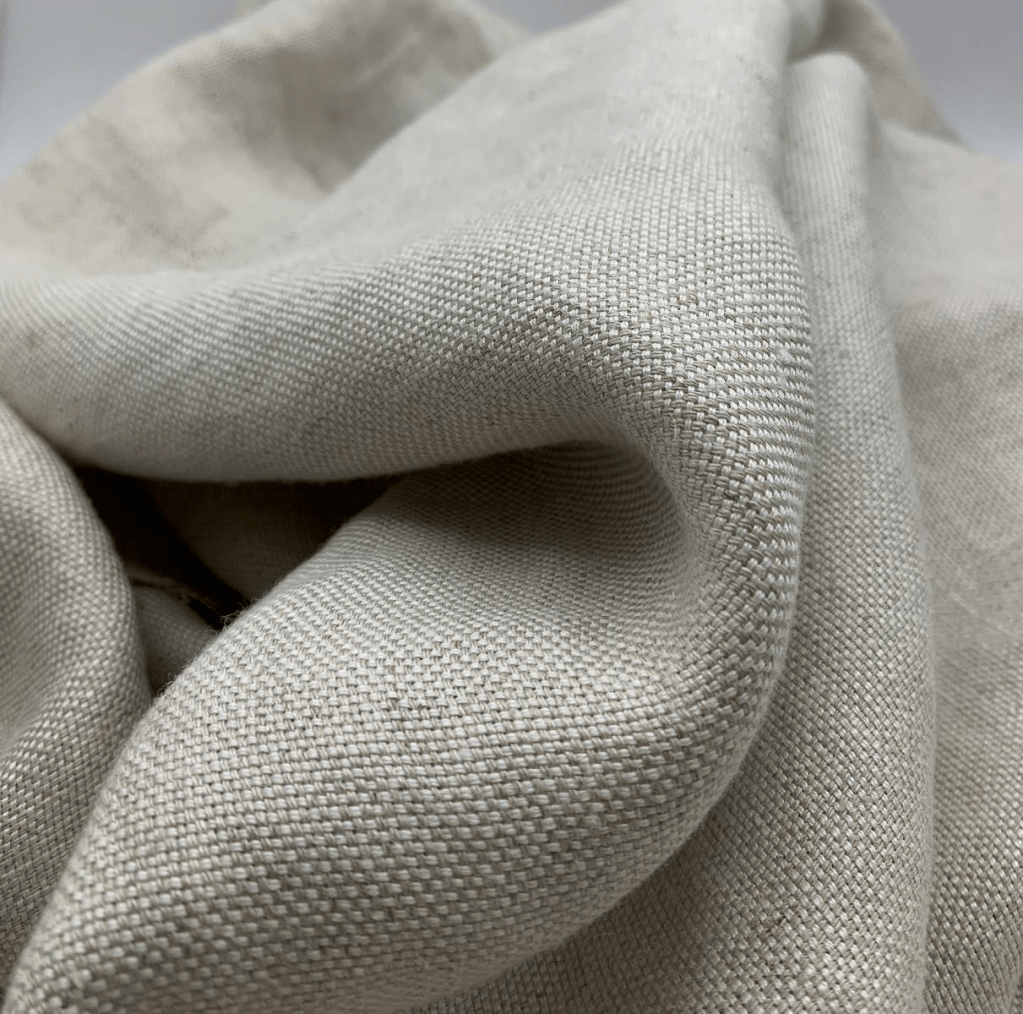
The Scolari 23L Nattè is the union of the Catena Scolari in 100% G.O.T.S Hemp and the Boiled Line with his natural yarn who hasn’t been treated with whitening processes.The union of these precious fibers in their natural color allows to create an effect that reminds of the 50’s aesthetic in the Panama style, his natural features combine and make the fabric’s quality even better making it fresh and breathable, the perfect combination for the mild seasons.The Scolari 23L Natté is particularly soft to the touch, it’s recommended to create unisex clothing such as jackets, skirts, trousers, shorts and headwear. It’s also a very exclusive solution to create accessories for your home, such as linings for chairs etc.The Scolari 23L Nattè it’s a historic article and it’s one of the most demanded fabrics from the clothing companies.
To order samples or more information please email us to nisha@nishadesigns.com
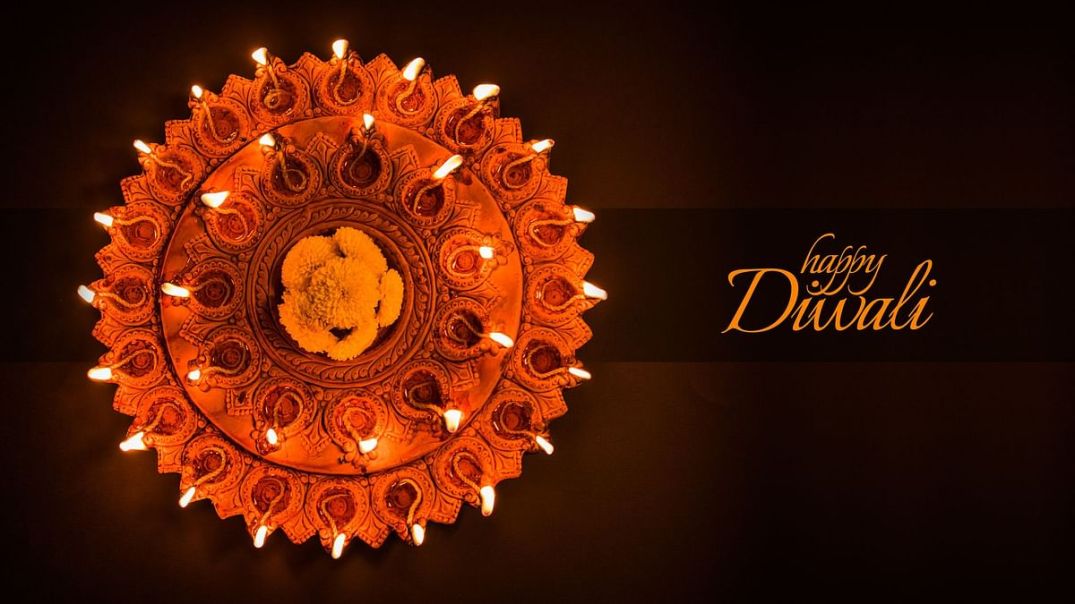
May we know that it is divine mother’s grace and invitation that we are born on this divine feminine planet to experience her grace and bounty. May we know that we are guest on her land. May we know that this divine land will always live and thrive with us in it or not. May we know that it is in gratitude to mother earth that fulfills our purpose of living and being here on earth. May we always give the grace of gratitude to our Divine Mother Earth Gaea for all of her sources and resources and her bounty. May this harvest of gratitude to mother earth grace our lives with joy, happiness, guidance, nourishment and abundance and open our hearts to only serve the greater good of this planet and all of her divine creations, beings and the balance between order and chaos. May this gratitude be the reality of our existence now and forever. And so it is. And so shall it be. Happy Thanksgiving to you and your family. Blessed be.
Dear Clients and Business Partners,
For many I have worked with you for eons and for some I maybe a new bee in your world. We may not speak daily or weekly or even for years sometime but I appreciate and recognize all of your presence, your honesty, your trust and continued support with gratitude every moment, every interaction, every opportunity, every possibility and business you have given us. Every opportunity I get with working you or sharing your product line I am grateful. We bank on Gratitude because Gratitude is our currency of being, living and serving the greater good. We wish you and your family Happy Thanksgiving. May you and your family always have what you need. Have a wonderful, safe and magickal holiday! Thank you for being part of our journey. Best Holiday Wishes. Nishante/ Nisha Desai
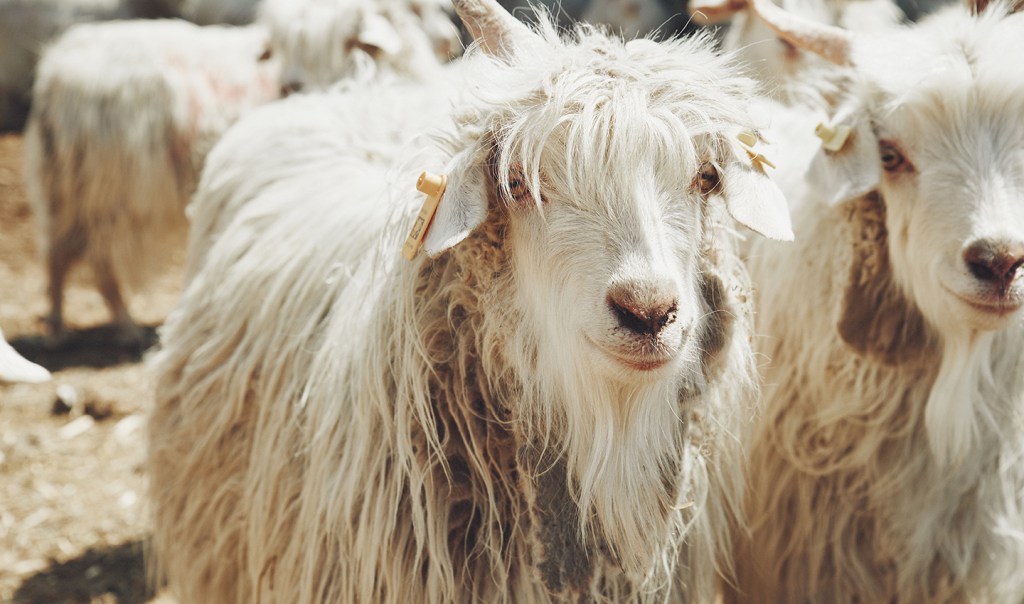
Goats were first used as a symbol of fertility, virility, and lust, but then they started to be identified with meanings such as independence, ambition, persistence, and disobedience.
Cashmere or cachemire is a precious textile fiber generated from the hair of Capra hircus, commonly called cashmere goats (Kashmir goats), which are raised in countries such as Iran, Russia, Afghanistan, Turkey and India. However, its name comes from Kashmir, a historical region currently divided between India, Pakistan and China, from where it has been exported to Europe since the beginning of the 19th century. The finest and most valuable cashmere in the world comes from the highlands of Inner Mongolia and is distinguished by the high fineness of the fibers, by the length and uniformity. In outer Mongolia, north of the Gobi desert, there is the production of the “brown” fiber, while in inner Mongolia, in the south, the more precious “white” fiber is produced.
Luxurious fiber par excellence, the hand of cashmere is soft, silky and velvety, it gives a warm and fluffy sensation. The thinnest and finest part is the down of the undercoat and is called duvet, that is the soft and woolly lower layer; the thickest part with stiff and rough hairs comes from the outer coat and is called giarre. To collect it, the coat is manually combed during the moulting season, which takes place in spring. The production averages between 100 and 200 grams of fine hair for each adult animal.
Our Upholstery Weight Collection consists of Nature’s finest, top quality heavy weight upholstery fabrics. Including various weights in Canvas, Herringbone, Twills, Yarn Dyed Twills, Split weaves, Textured Weaves and Eco Denims. These fabrics are commonly used for Home Furnishings, Accessories, Luggage, Tents, Tipi, Yurts, Automotive Interiors, Apparel and Sporting Goods.
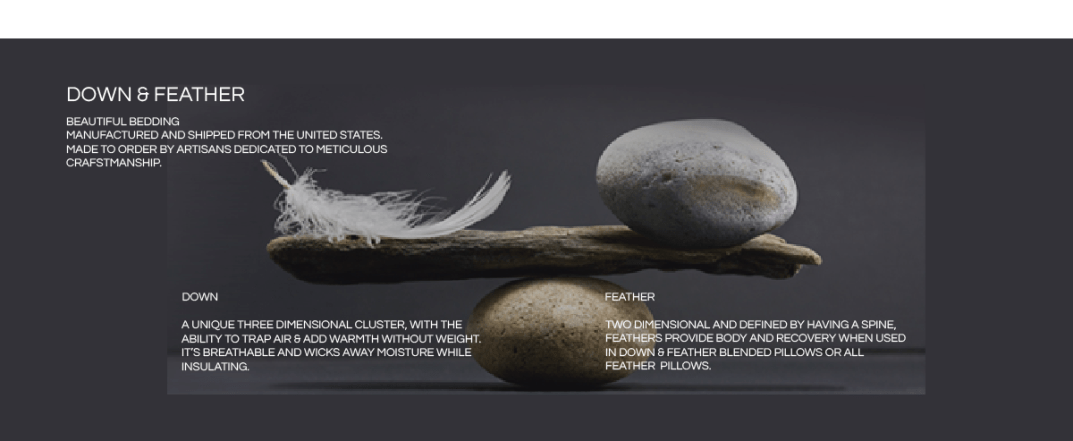
Nisha Designs partners with one of the best companies in the USA offering great quality down and feather. Please be assured that all of our products have been tested and certified against animal cruelty.

















 nishadesigns.com