Mushrooms like most things that come from Mother Nature are incredibly versatile – they can be eaten, they can bring on hallucinations, they can be used as a material in the design of furniture and clothes, and they can even eat through plastic.
Now the humble mushroom is the subject of a new exhibition, Mushrooms: The Art, Design and Future of Fungi, whichcelebrates the rich legacy and potential of the remarkable organism, the ideas it inspires in the poetic, spiritual and psychedelic, and how it is inspiring new thinking around design and architecture.
The exhibition, which is currently on at London’s Somerset House until 26 April, features the works of over 40 artists, designers and musicians who take a look at fungi’s colourful cultural legacy, exploring sustainability and our relationship with the planet.
Mushrooms is split into three themes – Mycophilia, Magic Mushrooms, and Fungi Futures – and includes sculpture, hand-cut collage, painting, drawing, photography and film, and bio-based materials.
Among the works on display is a specially commissioned mycelium-based chair from British designer, Tom Dixon; a solar-powered mushroom suitcase from conceptual artist, Carsten Höller; a decomposable mushroom burial suit by Jae Rhim Lee designed to reduce the damaging environmental impact of the funeral industry; and a sustainable shoe design using mycellium by Belgian shoe designer Kristel Peters.
There will be a number of events to coincide with the exhibition including TABLE, a mushroom-inspired pop-up dining experience from chef and Spring restaurant founder Skye Gyngell.
Mushrooms: The Art, Design and Future of Fungi is currently on at London’s Somerset House until 26 April 2020
Rosa Medea is Life & Soul Magazine’s Chief. She writes about lifestyles including sustainable and green living. She also offers content services to businesses and individuals at Rosamedea.com
Garry is a high-quality HSPU faux leather with a textile look. It conveys visual cosiness and comfort and at the same time offers the functional advantages of faux leather. The article can be used in many ways. Garry is the right choice, especially in heavily used areas. In senior citizens’ homes faux leather is often used for the seating surfaces of the chairs, as it is hard-wearing and resistant to disinfectants and urine.
In hotels and restaurants faux leather is often used for bedheads and bed edges as well as for seating. The colour range offers natural shades such as granite, chocolate brown, marron, almond, desert sand and is complemented by 5 strong colours such as scarlet red, burned olive and steel blue. A total of 18 colours is available.
For information Email us at nisha@nishadesigns.com or Call Nisha Desai at 702.622.8321
The Brighton Waste House – made from 20,000 toothbrushes, 4,000 DVD cases, two tonnes of denim jeans, 2,000 floppy discs, 2,000 used carpet tiles, and construction waste – continues to inspire six years after it was constructed.
A permanent building, the award-winning waste house, designed by the architect and University of Brighton lecturer Duncan Baker-Brown, was opened in June 2014 and continues to be a “live” on-going research project and design workshop.
Situated on campus at The University of Brighton’s College for Arts & Humanities in the South of England, The Brighton Waste House was constructed from approximately 90% waste, including surplus material and discarded plastic gathered from the construction industries and homes.
In the construction of the Waste House, 10 tonnes of chalk waste and 10% of clay was used to create a rammed chalk wall. Rammed earth can contribute to the overall energy-efficiency of buildings. The density, thickness and thermal conductivity of rammed earth make it a particularly suitable material for storing passive solar energy as well as that given off by occupants of the building.
The “carbon negative” building, which was built by students and volunteers, also draws attention to the huge environmental consequences of throwing away everyday domestic objects. Therefore the Waste House also “locks away” other sources of waste material, such as duvets, toothbrushes, music cassettes and old plastic razors, that were slotted into wall cavities to help with insulation in the house.
Now an open design research studio, the Brighton Waste House is also available to schools, colleges and community groups for “green” themed events.
Image Credits: The Brighton Waste House and BBM Sustainable Design Limited
Rosa Medea is Life & Soul Magazine’s Chief. She writes about lifestyles including sustainable and green living. She also offers content services to businesses and individuals at Rosamedea.com
What eco-friendly materials are best for your rug?
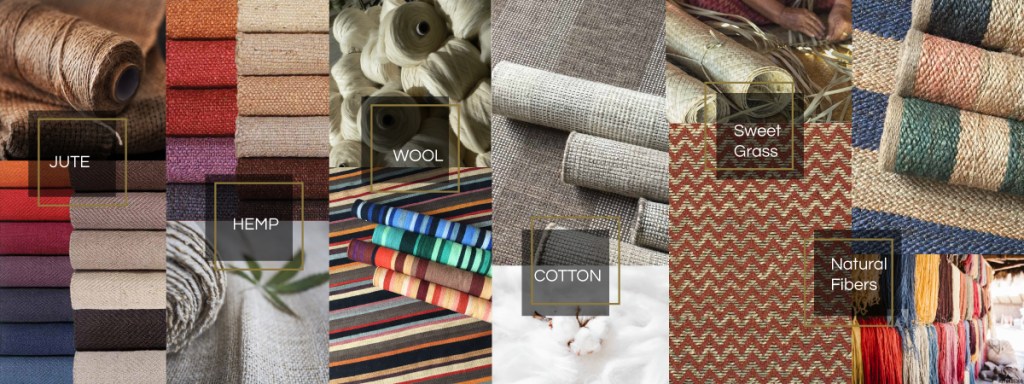
As pollution indoors can be higher than pollution outdoors due to toxic gases emitted from the furniture and floor coverings, we should consider carefully what materials are used in the production of our furniture as well as rugs. Rugs that are made of natural fibers are not synthetic or chemically treated and they are derived from plants. Many of them are also made with renewable resources. Some of the most environmentally friendly rug materials are wool, cotton, hemp, jute, bamboo and a few others.
Custom design your Rugs and Carpets. Email Nisha Desai at nisha@nishadesigns.com or call 702.622.8321. for more information.
Wool
When considering what rug material is right for your home, wool definitely occupies an important place. It is a natural material that we get from sheep and goats. When choosing a wool rug, mind the fact whether there were chemicals added in coloring or preservation of the wool. When compared to the aspect of durability, wool rugs are much more durable than rugs made of synthetic fibers. It is definitely one of the best choices you can make. Another thing that makes wool perfect is its resistance to stains. Due to organic coating, every fiber is covered in, it is able to repel both water and all kinds of stains. Wool fibers are in curly shape, which makes them difficult for wearing the pile down. So, a wool carpet is a perfect option for heavy traffic areas in your home. Other advantages of wool include the fact that it’s hypoallergenic, it purifies the air and it doesn’t allow for mildew to develop. It also naturally insulates your home and provides warmth. Wool rugs come in many colors, patterns, and sizes.
Cotton
Cotton is a material that is characterized by sustainability, renewability and biodegradability. It is also less expensive than the previously mentioned wool. Cotton is a highly popular, durable, eco-friendly and hypoallergenic material. All of these characteristics make it the biggest natural fiber that satisfies our textile needs. You can often find combinations of wool and cotton for a more affordable rug alternative. They can be manufactured in many different colors and they hold on to their color for quite a long time. If you’re looking for new, eco-friendly rug alternatives, check out companies such as Click Rugs as they offer quite a wide range of different rug materials, colors, purpose, style and rugs originating from different countries.
Hemp
Hemps is yet another natural material that is also hypoallergenic and it’s non-irritating for our skin. What’s more, it’s naturally pest-resistant and requires little water during it’s growing period. We get hemp from hemp grass (mount grass) that grows in the highlands of China. As a material, hemp is quite soft and flexible. Its natural colors vary from a variety of warm, tan shades. The process of spinning hemp into yarn cords requires little processing.
Jute
One of the most environmentally friendly materials in the world is surely jute. It is derived from a tropical plant and it’s characterized by durability and the ability to be biodegradable and recyclable. Jute fibers are multi-purposeful and are used to make rugs, mats, hessian bags and twine. Another name for jute is the golden fiber as its color varies from off-white and brown. It is just behind cotton when talking about popularity as a textile material. Most of the jute rugs come in natural shades but they can also be dyed in different colors. Colors can vary from the more natural hues to the ones that are bolder and their aim is to accentuate.
Bamboo
Bamboo is a durable, eco-friendly and high-quality material used for the production of rugs, clothes, furniture and a lot of other things. As a plant, bamboo is highly renewable and bamboo forests can be grown in a matter of years. It also doesn’t require many resources for its growth. So, it definitely satisfies our eco-friendly standards. Bamboo as a rug material is both strong and soft and it makes any rug practical and comfy. Bamboo rugs breathe nature with their colors and patterns. They usually come in many shades of brown and green.
Seagrass
Seagrass as a rug material is a material that’s durable, easy to clean and eco-friendly. In many cases, seagrass is not dyed but is simply left in colors as it is. Natural colors of seagrass include shades from khaki tan to sage green. Another feature of seagrass is that it’s stain-resistant due to natural wax on each fiber, which prevents dirt from settling in.
Sisal
When speaking about materials that are sustainable, durable, biodegradable, stain-resistant and eco-friendly – sisal occupies an important place. Around 1000 fibers are produced from a single sisal leaf. It is a material that’s affordable and naturally insulated, which helps you in controlling your heating and cooling energy consumption. Sisal is easily dyed and bleached, so it comes in many diverse colors.REPORT THIS AD
Nowadays, in this contemporary and modern era, when we realize the importance of being eco-friendly, it is up to us to do something for our planet. And what better way to start than from the floor you walk on? So, choose your floor coverings wisely and the future generations will thank you for that ecological choice.
We take this opportunity to introduce to you our finest- quality, natural fiber handmade carpets and rugs. All our carpets and rugs are hand woven under environmentally friendly conditions.
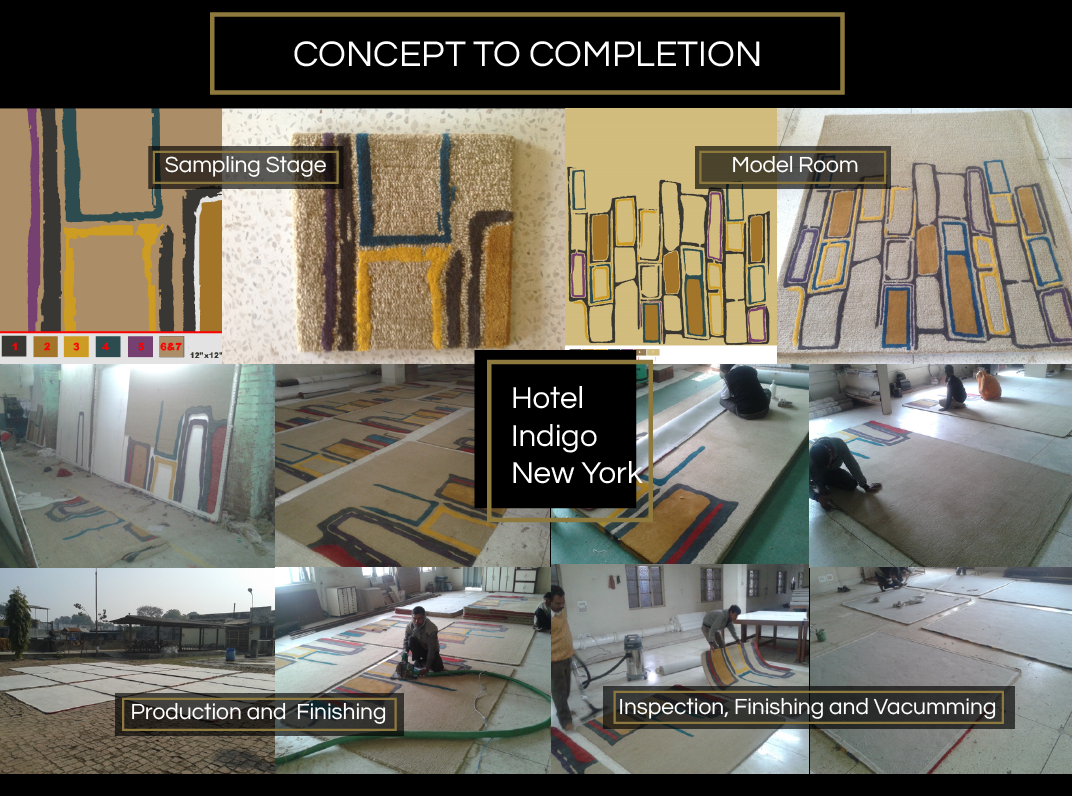
From concept to execution, our expertise provides a complete array of services necessary for successful project completion i.e. Spinning, Dyeing, Weaving, In-house Washing, Finishing, Inspection, Packing and Dispatch of final products.
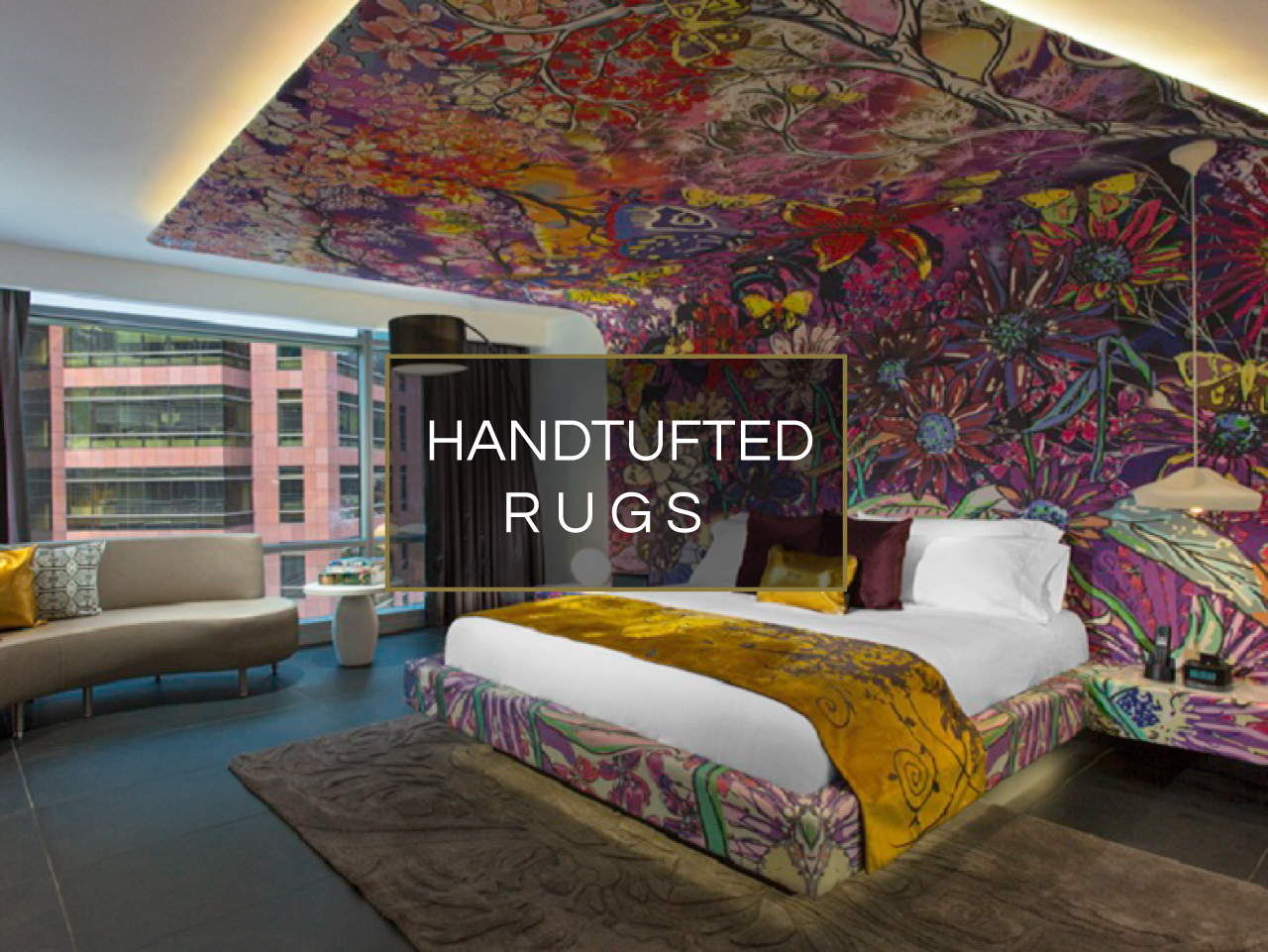
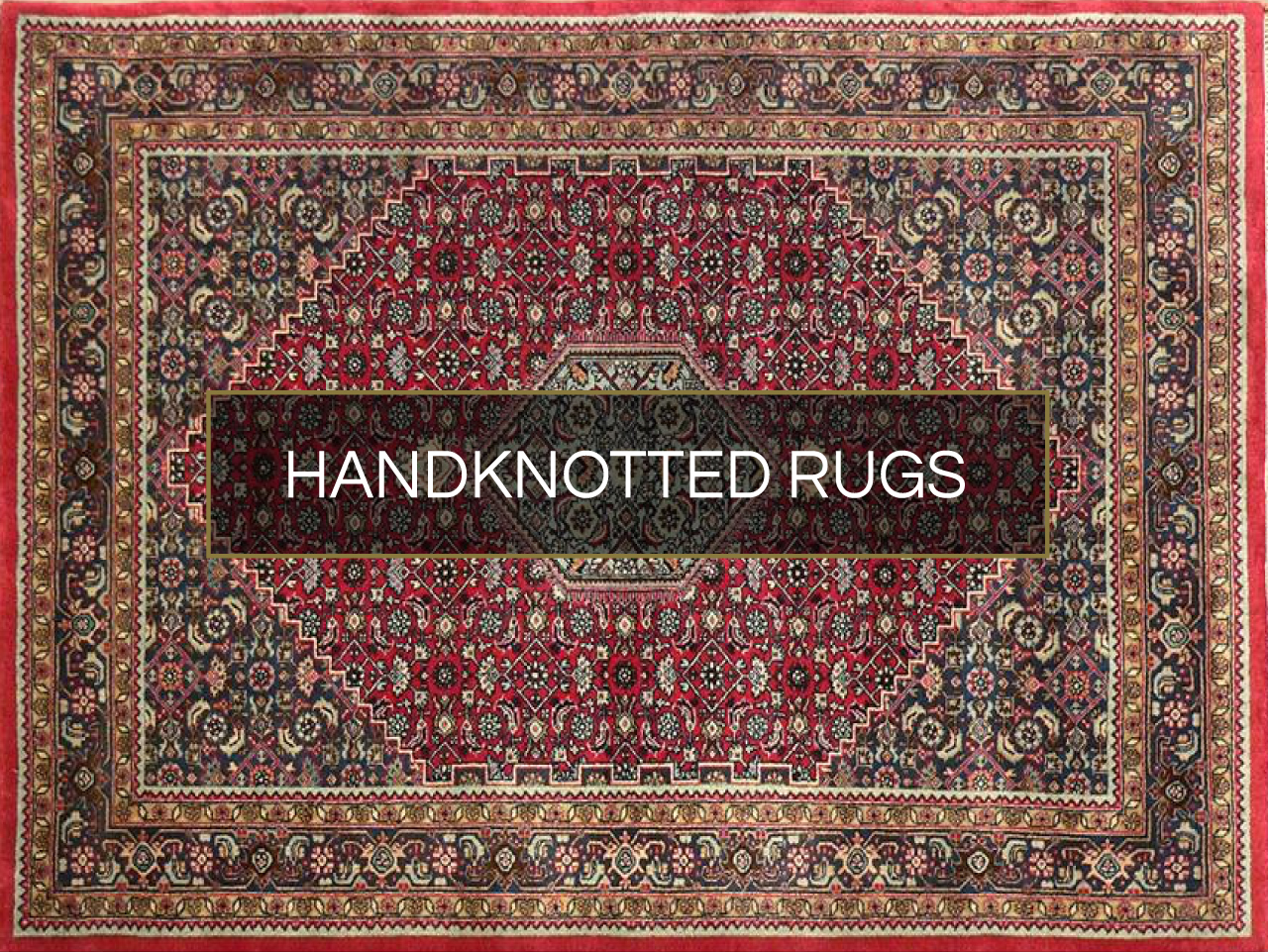
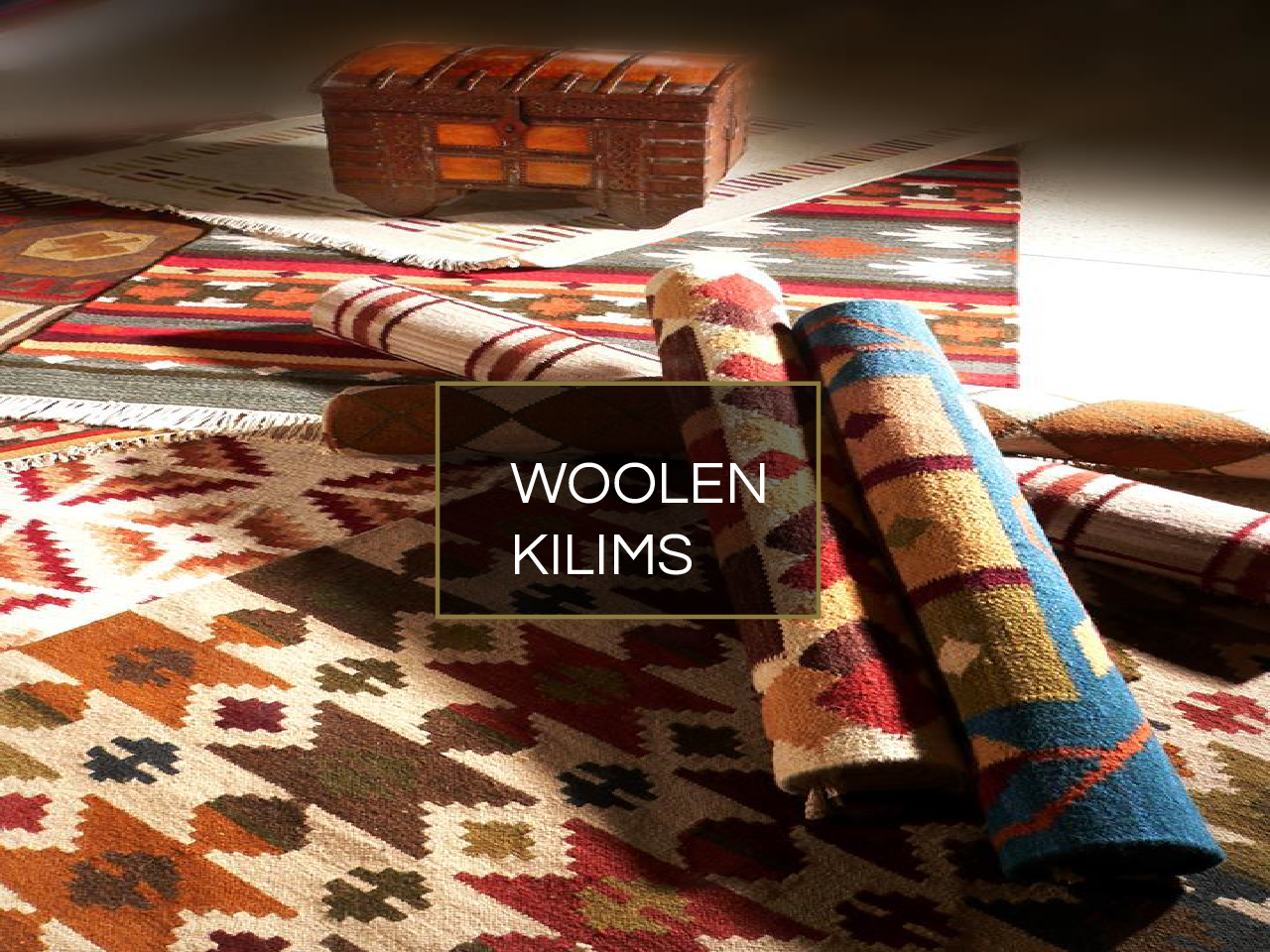
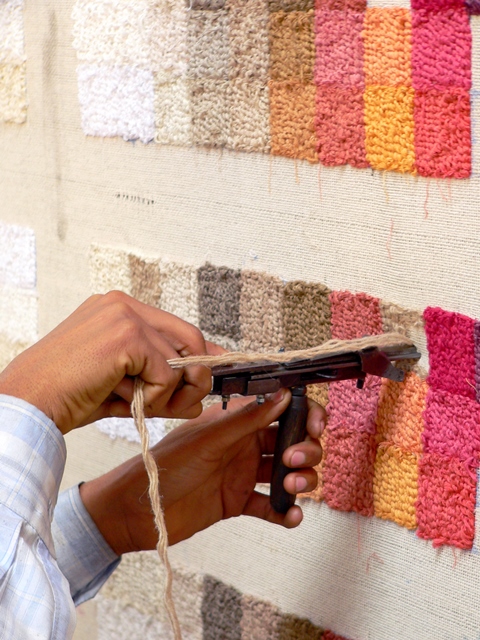
We make all sorts of handmade Floor Coverings like Hand-knotted Carpets, Hand-tufted Carpets, Handloom Rugs, Indo-Tibetan Rugs, Woolen and Cotton Dhurries etc.
Artisans: We have a dedicated team of artisans with extensive experience in their field and knowledge of the industry. The work of our artisans is at the heart of what we do. Expert dyers, Quality analyst, Raw material experts, Tailors Weavers.
We work in custom rugs and can create one of a kind rugs based on the specifications of our buyers. For Hotel projects, we understand what “Quality and Time” mean. We ensure desired quality at all stages of production and timely updates on the progress of orders through images and videos.
If you have some designs and patterns in mind that you want us to create, please feel free to discuss these with us and we can create/make samples for you.
Quality- Our Prime Concern: We are keenly administered by sound management ethics at every stage of our process to ensure flawless production. The production is carried out under the strict supervision of our experienced professionals who have been working in this discipline for years together. We source the finest quality of yarn and other raw materials from reputed agents of the market.
We do it all:
Raw Material Experts
Dyeing & Spinning Plant
Artisans
Quality Analysts
Weavers
Washing and Dyeing
Finishing and Packing
Types of Order Undertaken: We cater to different requirements of our buyers such as:
Programmed Orders
Custom Orders
Express Orders
Sample Orders
Our Carpets and Rugs are tested for Fire Retardancy , Color Fastness, and Pill Pull Strength. If you have a special requirement we will get it tested for you.
If you desire for us to send you sample of different fibers please email us at nisha@nishadesigns.com or call 702.622.8321 for more information.
Colorado is a modern faux leather with a wide and vibrant colour range. This includes 49 colours – from finely graded natural tones via light powdery to intensive colour tones.
Colorado meets current environmental requirements. It contains no phthalates (softeners), is antibacterial and disinfectant- and urine-resistant. With 400,000 rubbing tours, the faux leather is extremely hard-wearing.
With these properties, Colorado is suitable for headboards, bed surrounds and furniture for indoor, outdoor and health & care applications.
Colorado has a Sanitized® hygienic function. This property protects the faux leather against bacteria and mould, reduces mites and odours and is therefore anti-microbial.
For samples and information please email Nisha Desai at nisha@nishadesigns.com or call 702.622.8321
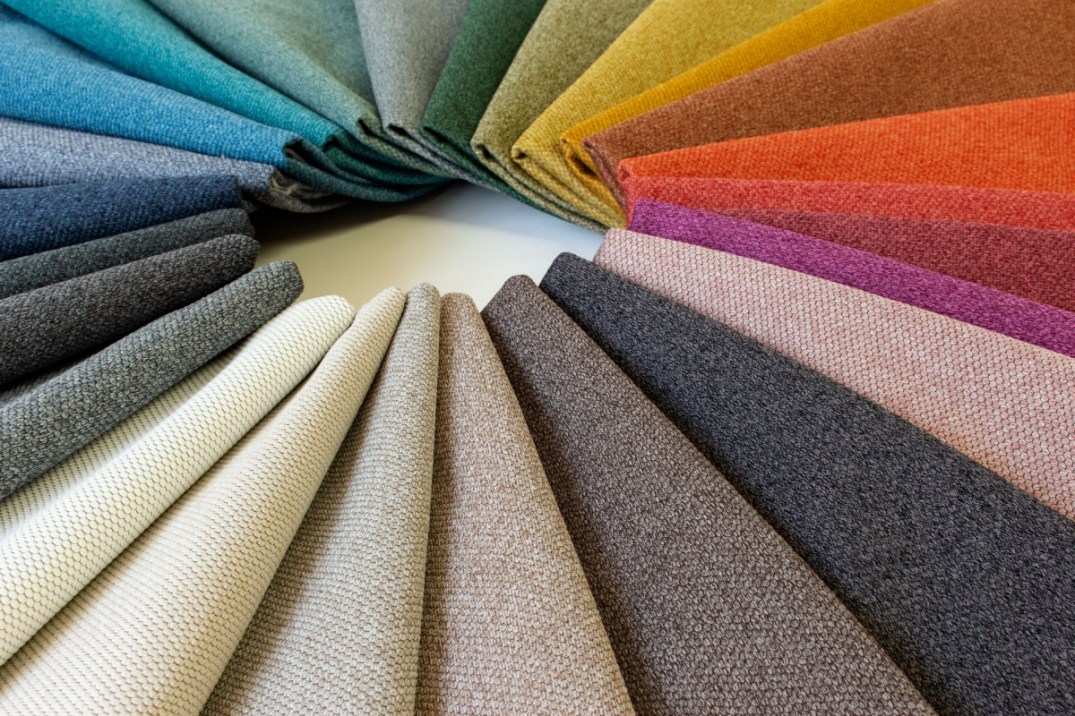
Our new upholstery fabric Brooks is characterised by its discreet graphic pattern and a soft touch. With this combination it not only offers a discreet and modern look, but also gives rooms a cosy atmosphere. The scandinavian term “hyggelig” describes this cosy character very well. The colour range consists of finely graded natural and grey tones with porcelain white and expressive and lively tones such as scarlet red, mustard, deep forest, deep lagoon. Powdery tones such as dusty rosé, olive, pistachio, sage green, stone blue complement the colour range perfectly. The two-tone melange yarn gives the colours a discreet structure and optical depth.
For samples please email nisha@nishadesigns.com or call 702.622.8321
A very Happy New Year to you, I hope you have had a lovely Christmas? It is a New Year’s Day blog tradition to take a look at which interiors trends might be making the headlines in the year ahead. 24 more words
There’s few boutique hotels in the world that can lay claim to visitors rubbing shoulders with giraffes over the breakfast table other than Kenya’s Giraffe Manor.
Giraffe Manor, set in 12 acres of private land within 140 acres of indigenous forest in the Langata suburb of Nairobi, is a wonderful and delightful vacation for anyone who has an affinity with the graceful and elegant mammals that are giraffes, namely the Rothschild species.
The boutique hotel, which is situated at one end of land used as a sanctuary by the Africa Fund for Endangered Wildlife for this rare species of giraffe, is often visited by a herd of Rothschild giraffes morning and evening, who sometimes poke their long necks into the windows of the dining room in the hope of a treat, before retreating to their forest sanctuary.
The giraffes are nurtured within the 140 acres of the estate, until they are ready to be reintroduced into the wilds of safer National Parks and game reserves wherever possible.
The Rothschild giraffe is one of the most endangered species of giraffe with under 2000 estimated to be left in the wild in 2016. One of the tallest giraffes, the Rothschild giraffe can grow to 19 feet in height and weigh about 2,500 pounds, with the males weighing more than the females by several hundred pounds.
Giraffe Manor, an English-style country mansion, has been supporting the conservation of the Rothschild giraffe since the 1970s when the then owners Jock and Betty Leslie-Melville first adopted an orphaned Rothschild giraffe, Daisy.
Now owned by The Safari Collection, Giraffe Manor has become a world-renowned boutique hotel, with 12 rooms offering guests old country house charm. Managed like a family home, dinner is served at a long table in the dining room, and after drinks served by the fire on the terrace overlooking the rolling lawns.
The Safari Collection supports several initiatives that protect local wildlife, including the Mara Cheetah Project, and operate sustainable practices throughout its portfolio of hotels aimed at reduce its energy, water and materials and emissions.
A popular place to stay in Kenya, mainly because of its resident four-legged friends, Giraffe Manor recommends booking 1-2 years in advance prior to travel.
Rosa Medea is Life & Soul Magazine’s Chief. She writes about lifestyles including sustainable and green living. She also offers content services to businesses and individuals at Rosamedea.com
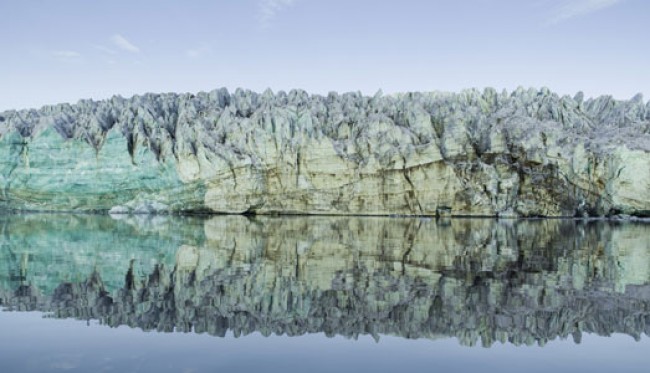
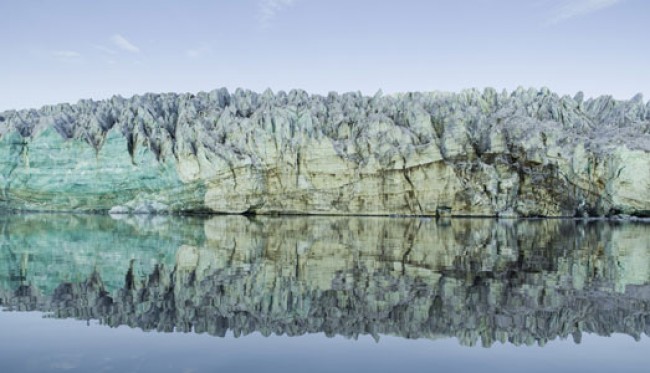
A series of artworks emphasising the changing global climate and the importance of glaciers is currently on display at London’s Horniman Museum.
The temporary exhibition, entitled Meltdown, aims to emphasise the importance of glaciers in a scientific, illustrative and dramatic way. The show features work from every relevant continent, leading the viewer on a journey in three chapters – The Importance of Glaciers, Current Issues and Meltdown Consequences.
Among the works include artist Peter Funch’s use of vintage postcards as a model for his images of American glaciers to capture the effects of glacial recession; Norfolk + Thymann’s images of part of the Rhône glacier covered in geo-thermal cloth to limit melting; Richard Mosse’s photograph of the ice cave under the Vatnajökull glacier in Iceland; and Noémie Goudal’s large-scale photographic installation mirroring the shifting glacial landscape, printed on biodegradable paper.
The exhibition – organised by climate change charity, Project Pressure – is on until 12 January.
Project Pressure, since 2008, has been commissioning world-renowned artists to conduct expeditions to document changes to the world’s vanishing glaciers, the consequences for billions of people, and efforts made to limit melting.
Rosa Medea is Life & Soul Magazine’s Chief. She writes about lifestyles including sustainable and green living. She also offers content services to businesses and individuals at Rosamedea.com