

Category: Blog

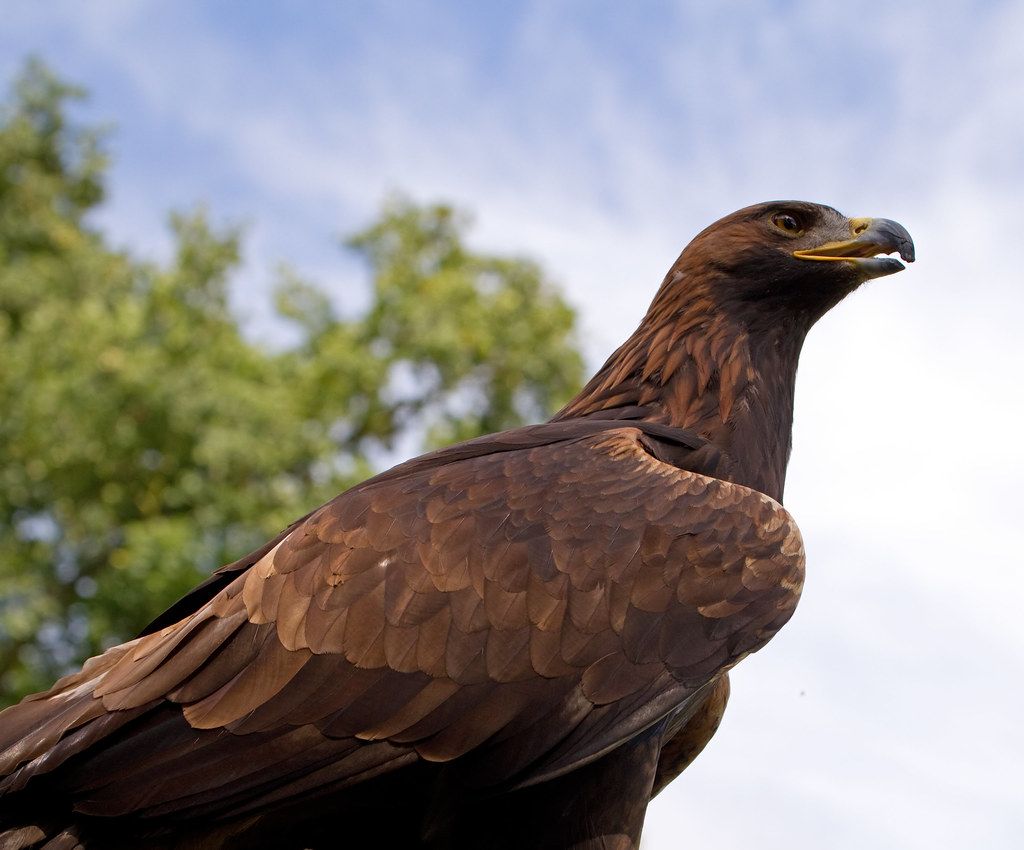
Golden eagles breed at Highlands rewilding estate for first time in 40 years — Life & Soul Magazine

A pair of golden eagles has successfully reared a chick in an artificial nest at a Scottish Highlands rewilding estate, marking the first known return of the birds of prey to breed at the site in 40 years. The eagle chick flew from the nest at Trees for Life’s flagship Dundreggan rewilding estate in Glenmoriston […]
Golden eagles breed at Highlands rewilding estate for first time in 40 years — Life & Soul Magazine
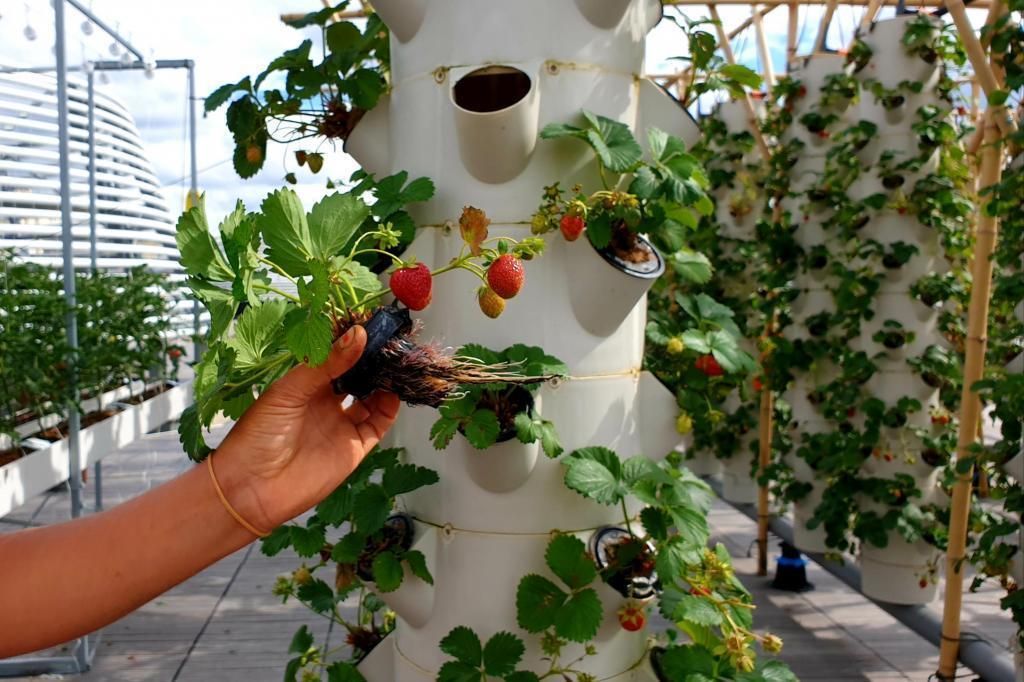
Nature Urbaine: World’s largest rooftop urban farm opens in Paris — Life & Soul Magazine

The largest rooftop urban farm in the world has opened in Paris, complete with a terrace bar and restaurant. Situated on the 14,000 sq m roof of the French capital’s exhibition centre Paris Expo Porte de Versailles, Nature Urbaine features 30 species of plants, such as tomatoes, strawberries, aubergines, radishes and basil – some of which […]
Nature Urbaine: World’s largest rooftop urban farm opens in Paris — Life & Soul Magazine
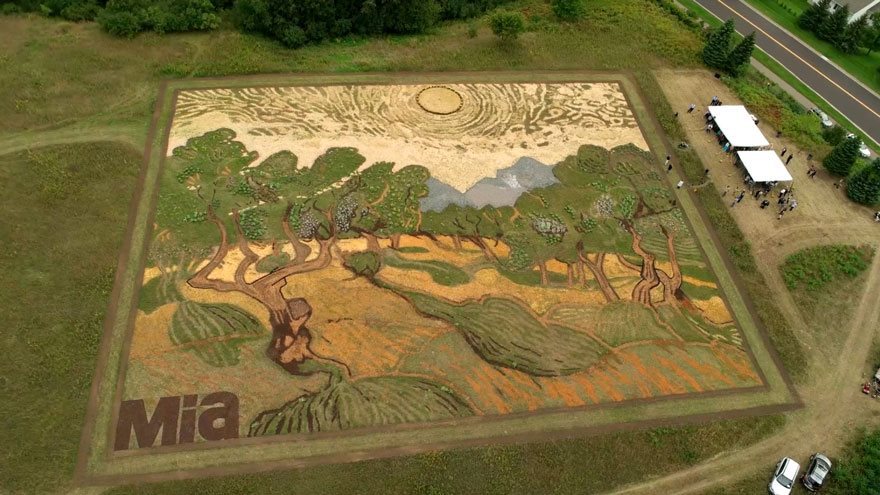
Guy Spends 6 Months Recreating A Van Gogh Painting Using Plants In A 1.2-Acre Field- Nisha Designs

Can you imagine seeing a Van Gogh painting sitting right off the freeway on your morning commute or aerial ride?
One field in Eagan, Minnesota got exactly this when the 67-year-old artist, Stan Herd, transformed it into Van Gogh’s 1889 “Olive Trees.”
Herd has been doing similar types of artworks or ‘earthworks’ since 1981. “I realized in my late 20’s that to create my monumental earthworks, beyond the design and actual creation of the work, I had to develop skills in public relations, communications, media relations, logistics, and fund raising,” said Herd on his website.
His most recent project took six months and spans 1.2 acres. Plenty of mowing, digging, and planting was involved all of which were commissioned by the Minneapolis Institute of Art. It can even be seen from the Minneapolis airport. The “Earthwork” is comprised of mainly large native plants and materials.
It was Herd’s way of uniquely engaging with his favorite artist.
Herd has been doing these types of artworks or ‘earthworks’ since 1981

His most recent project took six months and spans 1.2 acres. Plenty of mowing, digging and planting were involved which were all sponsored by the Minneapolis Institute of Art


The incredible artwork is currently not longer there, but in the meantime you can also check out more from Stan Herd over on his website.

Project Earth: Selfridges launches initiative to help customers change the way they shop and to be mindful of environmental impact — Life & Soul Magazine

Luxury department store Selfridges has launched a transformational sustainability initiative, Project Earth, which aims to help customers change the way they shop. Project Earth aims to help customers change the way they shop in three ways: by addressing the materials used in products, launching and exploring new retail models such as repair and resell, and […]
Project Earth: Selfridges launches initiative to help customers change the way they shop and to be mindful of environmental impact — Life & Soul Magazine

Japanese Farmers Plant Specific Strains Of Rice To Grow Colorfully Illustrated Fields- Nisha Designs

These Japanese rice farmers aren’t afraid of stirring up a little controversy in their village. Each year farmers in Japan plant specific strains of rice to colorfully illustrate iconic individuals from all parts of the world.
They’ve turned Inakadate in Aomori Prefecture into a yearly tourist destination for those who’d like to see what illustrations are drumming up appreciation and dismay. One of their more talked about illustrations was that of the Mona Lisa. Some thought the rice fields should only be dedicated to figures relative to Japanese culture but farmers chose variety instead.
Among their installations is one of Leonardo da Vinci’s famous paintings, Napolean Bonaparte, Marilyn Monroe, Star Wars, and Gone with the Wind. This form of art is known as Tanbo art and serves as a second term for Japanese rice field. The tiny village has made a name for itself for its rice-party art as being the only one on the planet to exhibit this sort of artwork.



The Twentrees: The Decade that Saves our Planet — ecogreenlove — ravenhawks’ magazine

11,000 scientists have analyzed the last 40 years of data and “clearly and unequivocally [declared] that planet Earth is facing a climate emergency.” Hence we must consider the potential option that they could be right. We have to act. We have to turn the 20s into “The Twentrees” – and make it the decade that […]
The Twentrees: The Decade that Saves our Planet — ecogreenlove — ravenhawks’ magazine
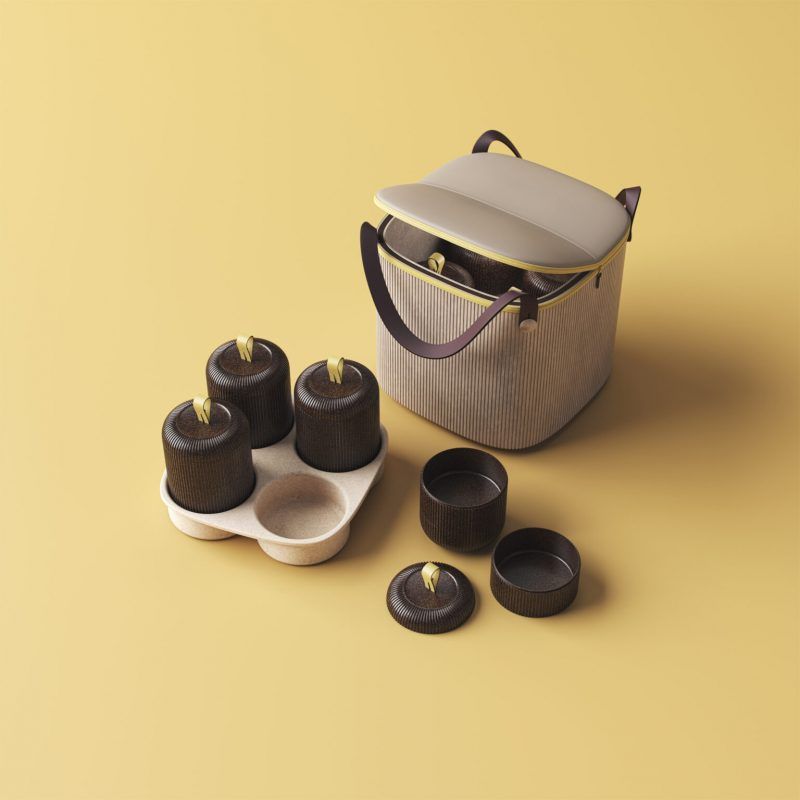
Design studio creates bento-style food containers from sustainable materials to rethink takeaway packaging — Life & Soul Magazine

A sustainable option for restaurant takeaway containers that is reusable and plastic foam-free has been conceptualised by design studio PriestmanGoode, as part of Wallpaper* magazine’s Re-Made project. The London-based studio has designed a range of bento-style food containers and a bag for takeaway deliveries based on circular design principles. The new concept features a bento-style stacking […]
Design studio creates bento-style food containers from sustainable materials to rethink takeaway packaging — Life & Soul Magazine

Thought for the day- Nisha Designs- Lady Dyanna

You are your own blessing and misfortune. Your choice.
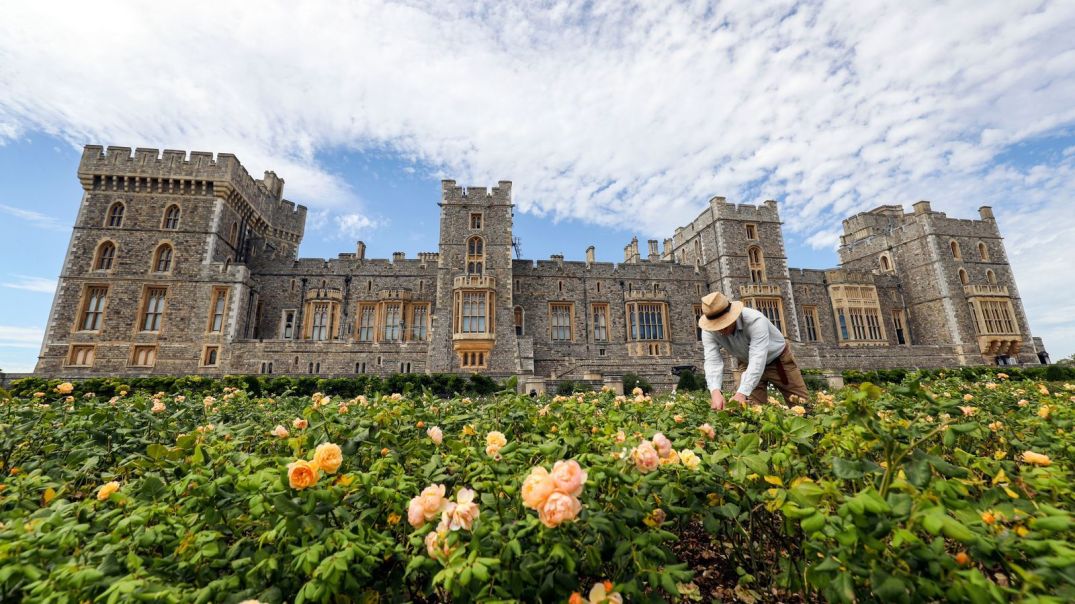
Windsor Castle to open its terrace garden, boasting 3,500 rose bushes, for the first time in over 40 years — Life & Soul Magazine

Windsor Castle, one of the official residences of Britain’s Queen Elizabeth, is to open its East Terrace Garden to the public for the first time in more than 40 years. Visitors to the castle will be able to tour the garden – whose highlights include 3,500 rose bushes planted around a central fountain – on […]
Windsor Castle to open its terrace garden, boasting 3,500 rose bushes, for the first time in over 40 years — Life & Soul Magazine

Invasive mussel species found in the USA’S Great Lakes transformed into blue glass — Life & Soul Magazine

Detroit-based design students have come up with a way to repurpose invasive species of mussels that have been disrupting the USA’s Great Lakes ecological system, and transform them into glass. Students from the College for Creative Studies in Detroit, Michigan took two invasive species of mussels – zebra and quagga mussels – to create a region […]
Invasive mussel species found in the USA’S Great Lakes transformed into blue glass — Life & Soul Magazine
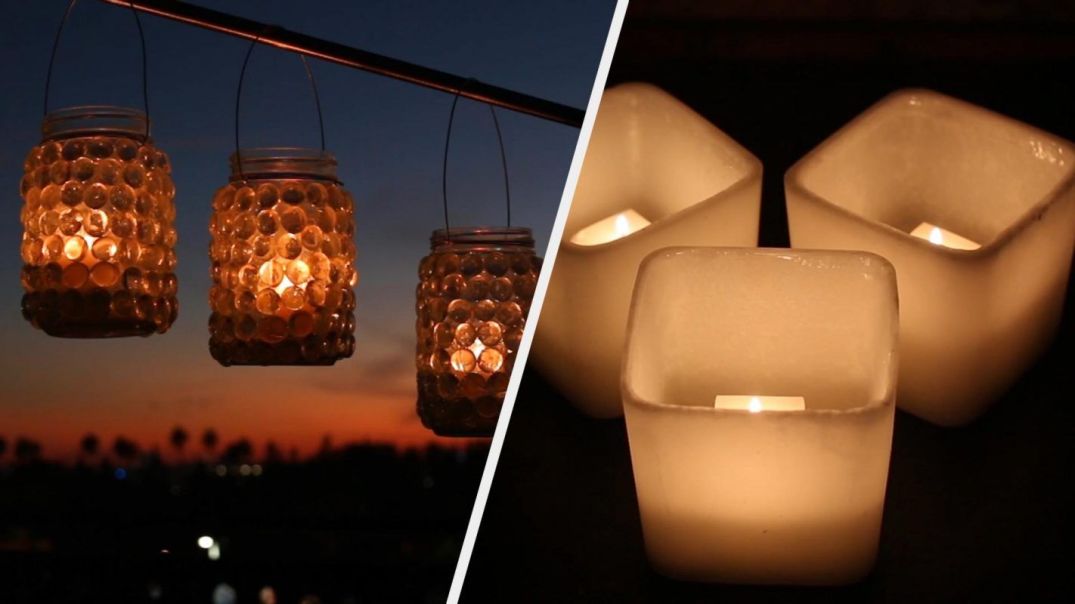
DIY Lanterns for Home and Garden — Life & Soul Magazine

Whether you want to add some light to your garden at night or indoors, DIY lanterns make a magickal addition to your home and garden. Check out the below video on how to make DIY lanterns made from items that you likely already have at home. Rosa Medea is Life & Soul Magazine’s Chief. She […]
DIY Lanterns for Home and Garden — Life & Soul Magazine

