
Category: Blog

Wish you all a Happy Valentine’s Day

WOM Collective All Female Paint Jam in the Leake Street Tunnel — Inspiring City
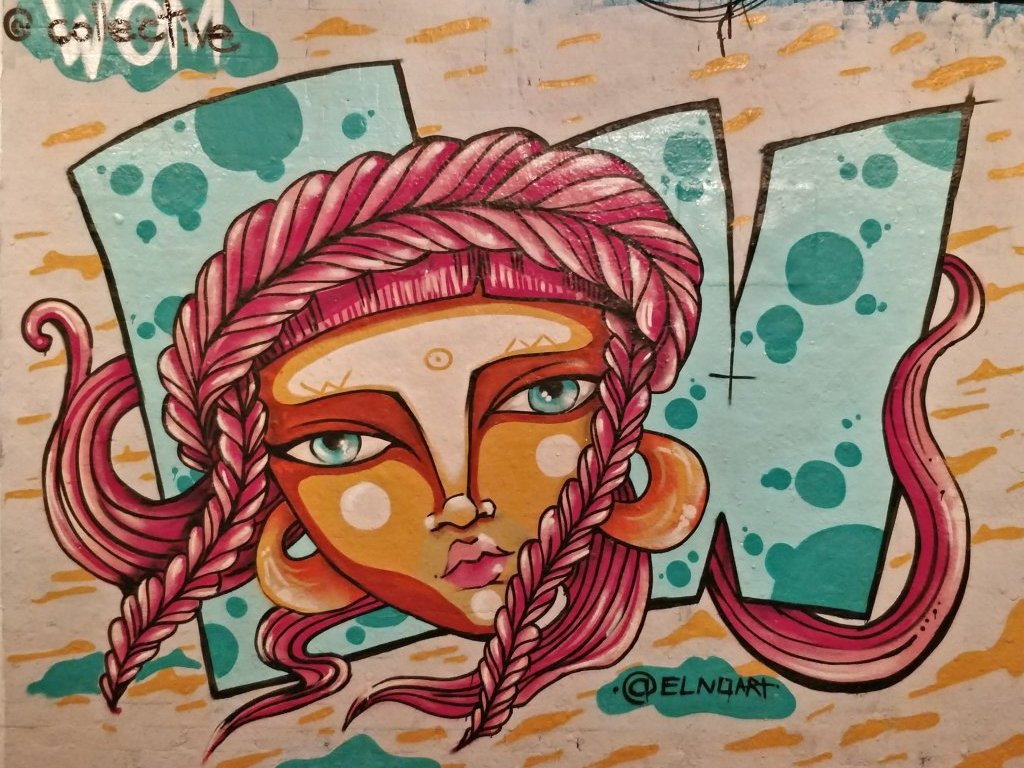

The WOM collective, an all female group of street artists, put on their first paint jam of the year in the Leake Street Tunnel. First formed in August 2019 the collective aims to support local women artists. One of the ways of doing so is to host events such as this one. WOM collective, according…
via WOM Collective All Female Paint Jam in the Leake Street Tunnel — Inspiring City
Maison & Objet: Top Looks for Interior Design in 2020 — Wyndesong Collectibles

Photo by Dulux – Search bedroom design ideas By Claire Tardy – See more Home Design Photos
Maison & Objet: Top Looks for Interior Design in 2020 — Wyndesong Collectibles
“Mythical Creaturologist” Iman Joy El Shami-Mader creates an illustrated bestiary of magickal and mystical beings known to the world

Magickal and mystical beings are a vast and varied crew, and tribes around the world have preserved their awareness of these beings through stories and graphical representations over centuries.
Artist Iman Joy El Shami-Mader has called on that wisdom asking people from around the world to share their awareness of magickal and mystical beings so she can add them to her illustrated bestiary – drawing one magickal and mythical creature per day, which she then shares on Instagram.

The self-prophesed “mythical creaturologist” has drawn more than 600 mythical creatures since beginning her task in October 2017. To create her inventory of creatures, Iman Joy El Shami-Mader initially sought information from various sources including the book Phantasmagoria and others, researched online, and tried her local library in the small town of Merano in the Italian Alps.
Over the years her bestiary has expanded since requesting people from around the world send her their local beasties. Among the creatures Iman Joy El Shami-Mader has illustrated include the Rashi, a winged horse from Georgian mythology; the Eyefooters from Botswana mythology, who were a race of men that had their eyes on their big toes instead of on their heads so they could see all the things that were dangerous at grass level; elephant dragons from Nepal, otherwise known as Kishi Malaw who protected sacred temples from natural disasters; and the Aziza, a race of fairy race beings that live in forests, which according to legend from the Republic of Benin, were the first to have taught about fire and its uses.

Some of the magickal and mystical beings Iman Joy El Shami-Mader has illustrated are well-known and others not, and includes creatures that are good, bad, evil or neutral.
In an interview with Atlas Obscura, Iman Joy El Shami-Mader explained: “I am generally a history buff and I love fairytales, sagas, myths and legends. In this already pretty epic realm, these beasts feel even more magical. I find them extremely interesting for so many reasons. They can give you an incredible insight to different cultures—what people were afraid of, and what simply was inexplicable at the time and needed to be put into a physical form.”

Iman Joy El Shami-Mader encourages people from around the world to share their knowledge of local creatures with her by sending an email to: mythical.creaturologist@gmail.com.
Rosa Medea is Life & Soul Magazine’s Chief. She writes about lifestyles including sustainable and green living. She also offers content services to businesses and individuals at Rosamedea.com

Design and Architecture vs. Climate Change: What Does the Future Bring — ecogreenlove

Green living doesn’t have to look (or cost) like something out of a sci-fi movie. Today, there is a vast availability of ecological materials that can keep inhabitants safe while contributing to minimized pollution. Combined with modern design solutions, they’re helping create aesthetically pleasing homes in which families can live comfortably and sustainably.
via Design and Architecture vs. Climate Change: What Does the Future Bring — ecogreenlove
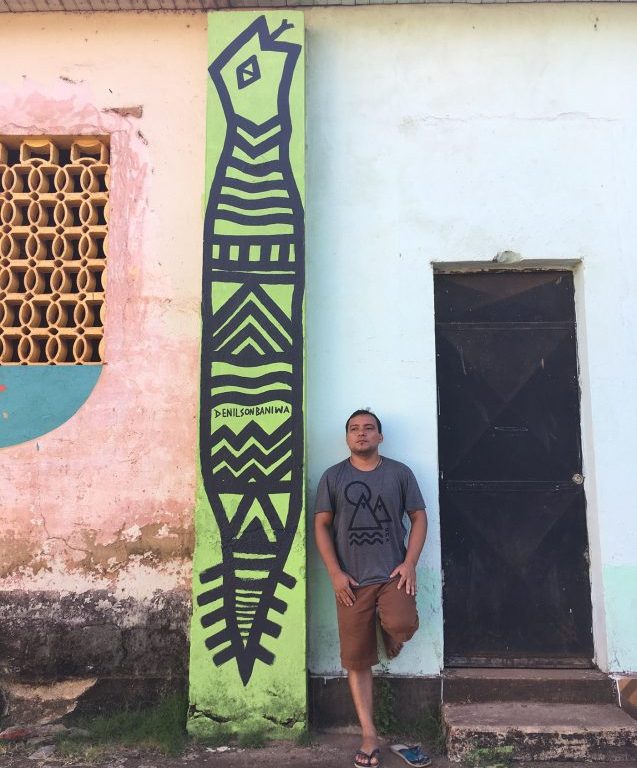
Denilson Baniwa: Indigenous artist fusing native references with non-native to communicate the thinking and struggle of his people in Brazil
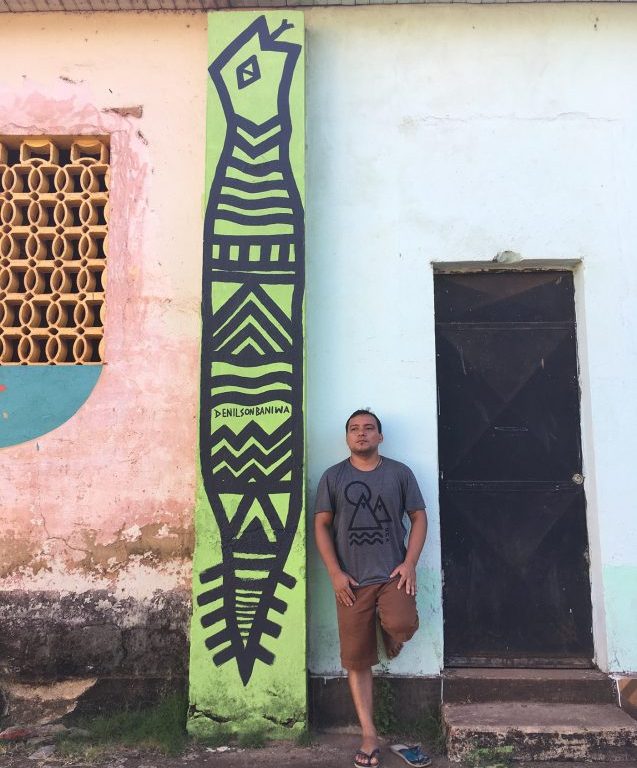
Visual artist Denilson Baniwa is using art to communicate the thinking and struggle of indigenous people in Brazil and around the world today by mixing traditional and contemporary indigenous references with western, non-indigenous references throughout his artworks.
Denilson Baniwa of the Baniwa indigenous people uses canvas, installations, digital media and performances to highlight the experience of being indigenous in present times.
A native of the Rio Negro in the Brazilian Amazon, the artist, who currently resides in Niterói, incorporates graphics, animals and references to Baniwa life and cosmology with western cultural references such as pop art, Hollywood, and “popular” culture.

Among his artworks are iconic images of Mona Lisa and Queen Elizabeth II with tribal markings. He illustrates the coming together of native with non-native species in a colourful artwork, entitled Diabetes, where a young indigenous man is drinking a can of Coca Cola, highlighting the harm caused through non-native things including products and people.

As a youth, Denilson Baniwa engaged in the struggle for the rights of indigenous peoples and moved through the non-indigenous universe, seizing references that would strengthen their resistance.
His artworks always highlight the plight of indigenous people and animals, including the jaguar, and the artist also uses his art to highlight the damage being caused by the likes of agribusiness and the current Brazilian president Bolsonaro’s position on mining on indigenous lands.

In a digital media performance entitled Azougue 80, the artist eats artificial fishing lures from a plate next to a glass full of mercury (called azougue in Portuguese), the poisonous metal used in gold prospecting that contaminates rivers, including those in the Yanomami indigenous territory. In the background, there’s a soundtrack of Bolsonaro chatting with someone, praising gold prospecting and comparing it to fishing.
In an interview with IHU, Denilson Baniwa said: “We are living in that time where the destruction of human beings is very likely, because we are destroying everything that we find ahead: the oceans full of garbage, the forests that have become lifeless pastures, the polluted cities, the diseases that are derived from the style current life, the violence caused by the maintenance of power.
“It is likely that this world will end soon, if we are not more aware. The good news is that right after the destruction, there will be a renewal where the world itself will heal itself, because the world’s poison is the human being, where all sorts of evil resides.”
Images Credit: Denilson Baniwa
Rosa Medea is Life & Soul Magazine’s Chief. She writes about lifestyles including sustainable and green living. She also offers content services to businesses and individuals at Rosamedea.com
Around the World in 80 Eco Spas: Banasura Hill Resort, Kerala, India

Life & Soul Magazine’s Travel Guide to Eco Spas will whet your appetite for a vacation that brings healing to holidaymakers in accommodations that work in harmony with the planet.
21. Banasura Hill Resort, Kerala, India
One of India’s greenest resort and spas, Banasura Hill Resort, is applauded for being the largest “earth” resort in the country.
Constructed entirely from natural materials – mainly mud known as rammed earth, recycled wood, and bamboo and coconut palm leaf roofs, Banasura Hill Resort sits some 3500 ft above sea level nestled on a 35-acre eco-friendly farm in Kerala’s Wayanad district.

The earthly, rustic charm of the resort, constructed using mud excavated from the very site that it stands on, blends harmoniously with its lush green surroundings which include gushing mountain streams, spectacular waterfalls, and coffee, tea, pepper and cashew plantations.

Using sustainable archictecture techniques, “earth” architecture was chosen in the building of Banasura Hill Resort as it would cause the least amount of ecological damage in this biodiversity hotspot, which is part of the Western Ghats UNESCO World Heritage Site. With its mountainous range sprawling with forests, the Western Ghats is believed to be older than the Himalayas, and indigenous tribes of the region have long been familiar with the rammed earth method of building.

An indigenous tribe from the nearby Kurichiya village played a significant role in contributing their skill and expertise in the construction of Banasura Hill Resort, including creating a bio-fence by planting thousands of bamboos of different varieties around the resort’s perimeter.

Since Banasura Hill Resort stands in the middle of a tropical forest, all views from the resort’s naturally cooled earth huts and cottages are awe-inspiring, including a view of Banasura Hill which looms majestically behind the resort. The natural terracotta-coloured walls of the accommodations are largely left bare so guests can marvel at the craftsmanship gone into Banasura Hill Resort, while bamboo furnishings enhance the natural look and feel.

The resort also has a rejuvenating Ayurvedic spa where guests can experience massages which make use of traditional herbal preparations and medicated oils. It also has an outdoor pool.

Banasura is committed to sustainable practices throughout its operations including harvesting rainwater, and a biogas plant which recycles organic waste into manure and kitchen fuel.

Banasura Hill Resort is likely to appeal to people of all ages, however it’s nature lovers that are to benefit the most from a stay at the Kerala-based resort given that stunning greenery such as cascading waterfalls, plantations, caves and a national park is “on your doorstep”.
Images source: Banasura Hill Resort Facebook page
Rosa Medea is Life & Soul Magazine’s Chief. She writes about lifestyles including sustainable and green living. She also offers content services to businesses and individuals at Rosamedea.com

Mushrooms: New exhibition delves into the use of mushrooms as upcycled agro-waste to sustainable shoes and more

Mushrooms like most things that come from Mother Nature are incredibly versatile – they can be eaten, they can bring on hallucinations, they can be used as a material in the design of furniture and clothes, and they can even eat through plastic.
Now the humble mushroom is the subject of a new exhibition, Mushrooms: The Art, Design and Future of Fungi, whichcelebrates the rich legacy and potential of the remarkable organism, the ideas it inspires in the poetic, spiritual and psychedelic, and how it is inspiring new thinking around design and architecture.
The exhibition, which is currently on at London’s Somerset House until 26 April, features the works of over 40 artists, designers and musicians who take a look at fungi’s colourful cultural legacy, exploring sustainability and our relationship with the planet.

Mushrooms is split into three themes – Mycophilia, Magic Mushrooms, and Fungi Futures – and includes sculpture, hand-cut collage, painting, drawing, photography and film, and bio-based materials.
Among the works on display is a specially commissioned mycelium-based chair from British designer, Tom Dixon; a solar-powered mushroom suitcase from conceptual artist, Carsten Höller; a decomposable mushroom burial suit by Jae Rhim Lee designed to reduce the damaging environmental impact of the funeral industry; and a sustainable shoe design using mycellium by Belgian shoe designer Kristel Peters.
There will be a number of events to coincide with the exhibition including TABLE, a mushroom-inspired pop-up dining experience from chef and Spring restaurant founder Skye Gyngell.
Mushrooms: The Art, Design and Future of Fungi is currently on at London’s Somerset House until 26 April 2020
Rosa Medea is Life & Soul Magazine’s Chief. She writes about lifestyles including sustainable and green living. She also offers content services to businesses and individuals at Rosamedea.com

GARRY – TEXTILE FAUX LEATHER- Nisha Designs

Garry is a high-quality HSPU faux leather with a textile look. It conveys visual cosiness and comfort and at the same time offers the functional advantages of faux leather. The article can be used in many ways. Garry is the right choice, especially in heavily used areas. In senior citizens’ homes faux leather is often used for the seating surfaces of the chairs, as it is hard-wearing and resistant to disinfectants and urine.
In hotels and restaurants faux leather is often used for bedheads and bed edges as well as for seating. The colour range offers natural shades such as granite, chocolate brown, marron, almond, desert sand and is complemented by 5 strong colours such as scarlet red, burned olive and steel blue. A total of 18 colours is available.
For information Email us at nisha@nishadesigns.com or Call Nisha Desai at 702.622.8321

The Brighton Waste House: A blueprint for public buildings made almost entirely from waste

The Brighton Waste House – made from 20,000 toothbrushes, 4,000 DVD cases, two tonnes of denim jeans, 2,000 floppy discs, 2,000 used carpet tiles, and construction waste – continues to inspire six years after it was constructed.
A permanent building, the award-winning waste house, designed by the architect and University of Brighton lecturer Duncan Baker-Brown, was opened in June 2014 and continues to be a “live” on-going research project and design workshop.

Situated on campus at The University of Brighton’s College for Arts & Humanities in the South of England, The Brighton Waste House was constructed from approximately 90% waste, including surplus material and discarded plastic gathered from the construction industries and homes.

In the construction of the Waste House, 10 tonnes of chalk waste and 10% of clay was used to create a rammed chalk wall. Rammed earth can contribute to the overall energy-efficiency of buildings. The density, thickness and thermal conductivity of rammed earth make it a particularly suitable material for storing passive solar energy as well as that given off by occupants of the building.
The “carbon negative” building, which was built by students and volunteers, also draws attention to the huge environmental consequences of throwing away everyday domestic objects. Therefore the Waste House also “locks away” other sources of waste material, such as duvets, toothbrushes, music cassettes and old plastic razors, that were slotted into wall cavities to help with insulation in the house.
Now an open design research studio, the Brighton Waste House is also available to schools, colleges and community groups for “green” themed events.
Image Credits: The Brighton Waste House and BBM Sustainable Design Limited
Rosa Medea is Life & Soul Magazine’s Chief. She writes about lifestyles including sustainable and green living. She also offers content services to businesses and individuals at Rosamedea.com
5 Hot Trends From Toronto’s 2020 Interior Design Show — Wyndesong Collectibles

By South Hill Interiors Toronto – See more Home Design Photos
5 Hot Trends From Toronto’s 2020 Interior Design Show — Wyndesong Collectibles
 nishadesigns.com