Self-proclaimed “metal evolutionist” Brian Mock is turning scrap metal into beautiful and intricate sculptures of animals, musical instruments, people, and even a deity.
The Aloha-based sculptor spent his young life drawing, and much of his adult life painting and wood carving, before his creative passions turned to sculpting with recycled metal in the 1990s. Brian Mock then taught himself how to weld, and he has since gone on to create all manner of beautiful objects from scrap metal – everything from nut, bolts, spools and more.
Brian Mock said: “Giving old, everyday objects a new life as one sculpture is an artistically demanding, yet gratifying, process. My work is designed to emphasise resourcefulness and encourage viewer engagement. Audience reactions fuel my creativity and help me bring my visions to life.”
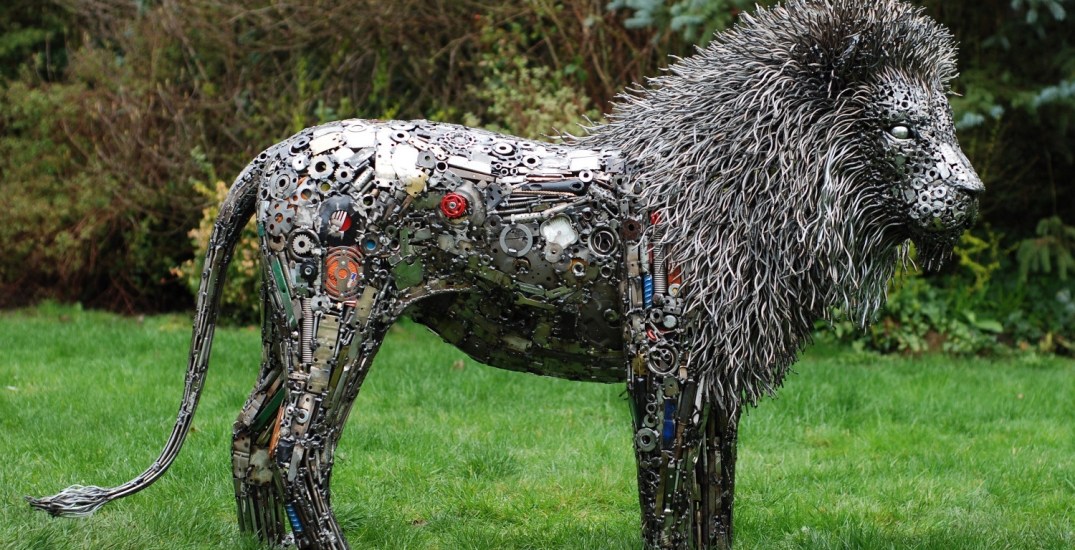
Among the recycled metal sculptor’s artworks is California Brown Bear made using various wheel spools and other metal parts; an elephant end table; and a lion, among others.
Brian Mock added: “My sculptures are made entirely from reclaimed items and materials (almost all metal, but sometimes I’ll add bits of plastic for color). I like that people interact with them; they have fun looking for objects they can identify. It started as a hobby, but as I got better at sculpting, I turned it into a full-time profession.”
Rosa Medea is Life & Soul Magazine’s Chief. She writes about lifestyles including sustainable and green living. She also offers content services to businesses and individuals at Rosamedea.com
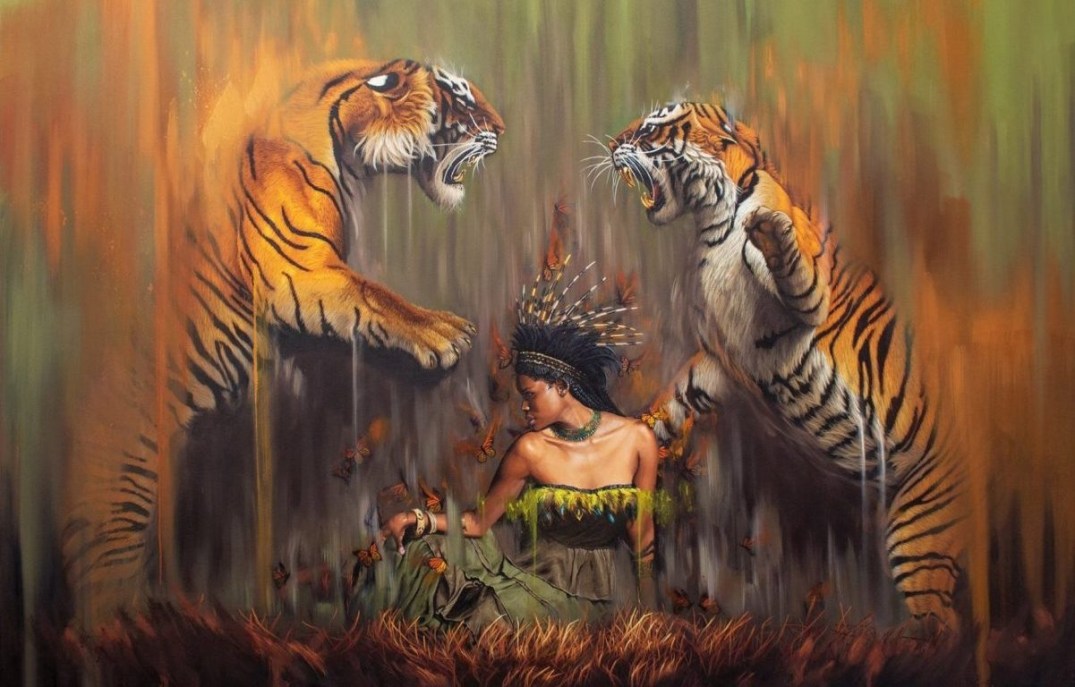
Urban artist Sonny – known for his giant murals of endangered species adorned on walls worldwide – has created a new series of animal paintings which seek to explore themes of tribal connection and ancient wisdoms.
Putting tigers, a lion and an ape within the context of their natural environment, the Johannesburg-based artist has a deep interest in ancient traditions, tribal relics and heritage where it relates to the value of the natural world.
Fascinated by wildlife from a young age, the British-born artist has since become known worldwide for his wonderful large-scale wildlife murals that are scattered across the globe.
Endangered species and conservation are just some of the environmental issues that Sonny has taken to the streets of London, New York, Ireland, Johannesburg and more to illustrate on walls as a way to imprint into people’s awareness and to encourage them to protect the animals for future generations.
From the tigers, lions, polar bears, grizzly bears, birds and rhinos emblazoned on walls, Sonny’s artworks are beautiful and fascinating, capturing the true essence of these mighty beings of the animal kingdom with every intricate detail – honouring the true beauty and power of these animals.
In 2017 Sonny launched his To The Bone project with a global mural tour that brought some of the world’s most iconic and endangered animals into urban environments around the world.
The animals depicted in To The Bone once roamed freely and in numbers across the globe, before intruders invaded their land and pillaged their forests, killing for profits and power. To The Boneconveys a deep love of and respect for the animal kingdom, as well as a sense of anxiety, guilt, and outrage towards crimes perpetrated against our wildlife.
The To The Bone project, which culminated in Sonny’s first solo exhibition in New York in 2018, was accompanied by a series of skull sculptures, made from polyurethane resin which “with their golden teeth ablaze, the skulls [of endangered species] invoke an appreciation of the might and power of these creatures, while serving as a tangible symbol for what the future may hold”.
Rosa Medea is Life & Soul Magazine’s Chief. She writes about lifestyles including sustainable and green living. She also offers content services to businesses and individuals at Rosamedea.com
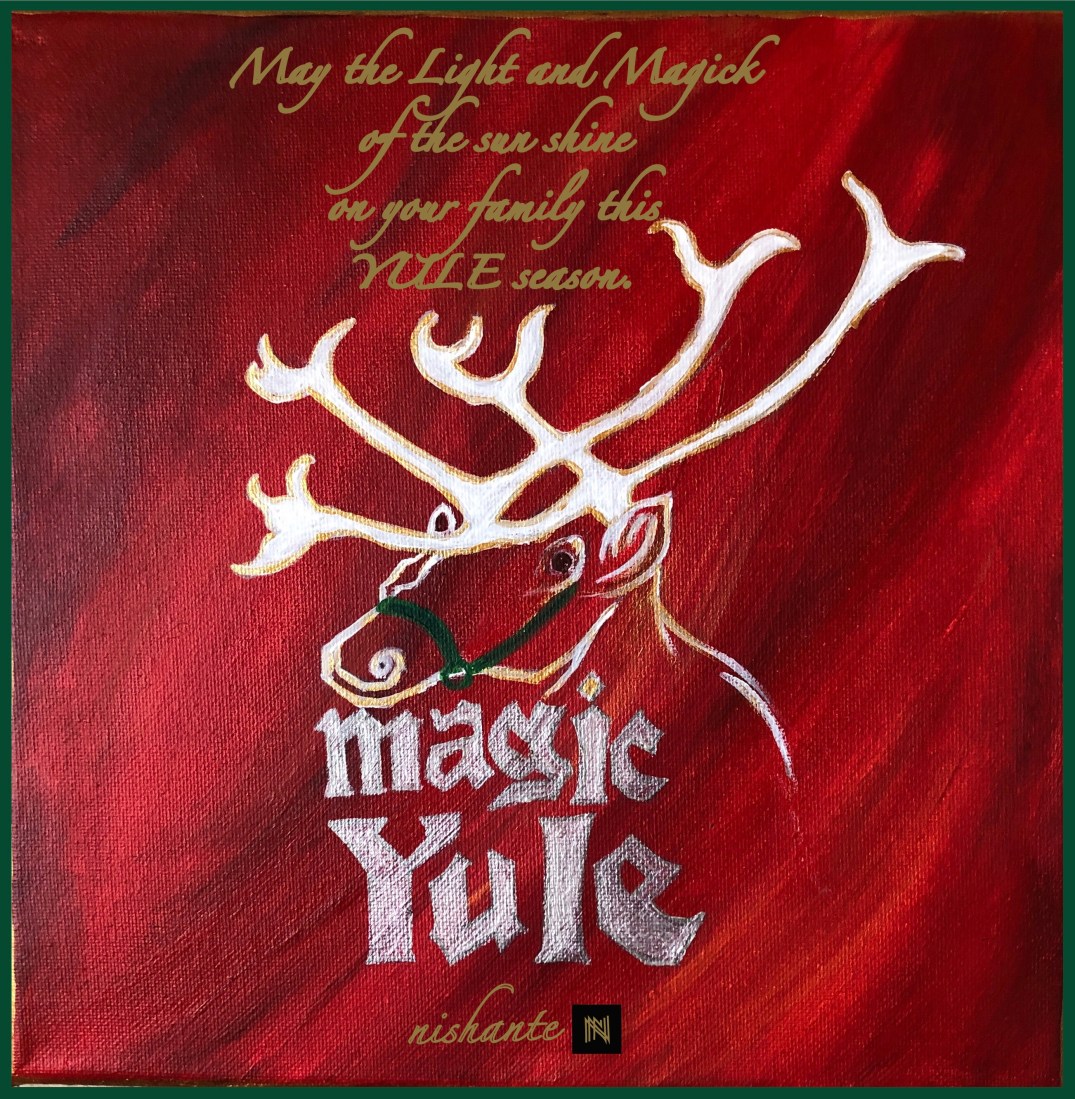
May the Magick of Yule fill your heart, home and family with celebrations of love, joy, peace and hope this holiday season. And we wish you all Merry Christmas and Happy Holidays🎄🎁- Nisha Desai
“The Winter Solstice or Yule It begins on “Mother Night” and ends twelve days later, on “Yule Night”, hence the “Twelve Days of Christmas” tradition. Yule is a time of the Goddess of the Cold Darkness and the birth of the Divine Child, the reborn Sun God. It is a time of renewal and rebirth during Winter, and the turning of the Earth force tides.The Winter Solstice had been associated with the birth of a “Divine King” long before the rise of Christianity. Yule is about renewal, re-birth, returning hope and life.”- Ravenhawks Magazine
It’s a fact: “we are facing an ecological emergency”. The likes of young environmental guardians Greta Thunberg, Xiuhtezcatl Martinez, Artemisa Xakriaba and their peers have voiced these facts for the world to take note and take action. Eco-Visionaries: Confronting a planet in a state of emergency, an exhibition that is currently on at the Royal Academy of Arts in London, on the other hand takes those facts and visualises them to encourage people to take note and to take action.
Tackling issues from climate change to food shortage, species extinction and resource depletion, Eco-Visionaries brings together artists, designers and architects from around the world who accept and acknowledge the hard facts, and are reconsidering the relationship between humans and nature.
Each visionary offers their alternative visions on how the future may look, encouraging visitors to rethink their own lives, make changes, and most importantly, to reconnect with nature. Recognising that without a connection to nature people are unlikely to take action, the exhibition invites the audience “to interact with the environment in a more respectful way, putting nature and other species’ needs before our own”.
While discussions about climate change more recently have focused on “future generations”, Eco-Visionaries serves to remind viewers that the planet is experiencing environmental changes right here, right now – as the exhibition’s introduction draws light on: “we are no longer discussing an environmental catastrophe that might impact future generations, but a catastrophe that will now drastically affect our own”.
Mother Nature waits for “no man”, so to speak, and that is what one of Eco Visionaries’s highlights, win >< win seeks to address – the mortality of humans and their demise as a dominant species. The 2017 installation win >< win, by the art collective Rimini Protokoll, which as entertaining and engaging as it is, highlights a few “home truths”: that humans are the most endangered species on this planet and so too face extinction.
Using jellyfish, one of the few species in the world to actually benefit from the effects of global warming, as a focal point, viewers sit in a small auditorium wearing headphones before the lights dim and a screen ahead unveils a mirror. The male voice poses questions to the viewers about their age and mortality, as they look at themselves through the mirror, asking them to respond with gestures such as pointing and putting up their hands. The mirror soon fades away and the audience then becomes witness to a tank of live jellyfish.
The audio, which is akin to listening to an insightful radio documentary about global warming, explains how jellyfish, who are carnivores, are rapidly multiplying due to warmer seas and a scarcity of endangered sea turtles that prey on them. Seeing such creatures up close begs viewers to ask questions about non-native species to this planet, and the volume of unwelcome critters and things that live on this planet that seek to destroy the natural ecosystems.
At some point during the 16-minute interactive installation, viewers can then see through the tank and it becomes apparent that other viewers are sitting in a similar auditorium directly opposite. On the other side of the tank, they too are experiencing win >< win, although at a different time sequence. As the audio poses further questions of the mortality of the viewers in the second auditorium, win >< win serves as reminder of the vulnerabities of the human species and that they are not top of the food chain.
The Eco-Visionaries exhibition also displays artwork from familiar names such as artist and climate activist, Olafur Eliasson. In The Ice Melting Series, Olafur Eliasson highlights shrinking polar ice caps, getting visitors to examine how the choices and actions of humans anywhere in the world impacts the rest of the world no matter how far away a land may be from them geographically.
As visitors enter the exhibition, they are invited to view a plastic globe which spins in a tank surrounded by small green particles, indicative of plastics, which is in fact having an impact on the rotations of the planet and attempting to slow it down. The installation, entitled Domestic Catastrophe Nº3: La Planėte Laboratoire, is by the Paris-based design collective HeHe.
On closer inspection of the HeHe exhibit, the particles sit on the globe like microfibre clothing creates bobbles on clothes and just sits on the garments. When you see it in the context of the globe, it appears like a dead weight. If someone has not questioned the impact of microfibres in the context of the bigger picture before, this exhibit most certainly does that.
Madrid In The Air, a film especially commissioned for the exhibition, monitors the skyline of Madrid over a 24-hour period. The film, by London-based architect and researcher Nerea Calvillo, literally brings to light the veil of pollutants in the air seen in various illuminous colours. Another film, The Breast Milk of the Volcano, sees research studio Unknown Fields present findings from an expedition to Bolivia and the Atacama Desert, source of over half the world’s reserves of lithium, questioning the sustainability of the lithium-based batteries that power most electronic devices today.
In The Substitute, artist Alexandra Daisy Ginsberg enables visitors to come face-to-face with a life-size digital reproduction of a northern white rhinoceros, the last male of the subspecies of which died in 2018. Drawing upon rare zoological archival footage as well as experimental data from AI company DeepMind, viewers are reminded of animal species that face extinction.
Eco-Visionaries excells at presenting the hard facts in a way that gets people to really think about the environment and to examine the impact of their choices on the planet. It also encourages them to make changes in their own lives and to take action.
What we are witnessing now on this planet is what happens when inaction occurs, and while taking no action is an action in-and-of itself, what Eco-Visisonaries reminds visitors is that inaction comes at a price. Eco-Visionaries also suggests that for those willing to play an active role in the survival of the planet and its healing, there is “the need to relearn how to survive without further damage to the planet and coexisting with more empathy towards other living beings”.
Eco-Visionaries relays all of these messages not in an aggressive, worthy nor righteous manner, but in a most impactful way – one that is likely to serve as a visual reminder for those who have visited the exhibition as they makes choices in their daily lives, and so making for consciously-aware, environmentally-aware choices that serve a greater good for the planet and its native species.
Eco-Visionaries: Confronting a planet in a state of emergency is on at the Royal Academy of Arts from now until 23 February 2020
Rosa Medea is Life & Soul Magazine’s Chief. She writes about lifestyles including sustainable and green living. She also offers content services to businesses and individuals at Rosamedea.com
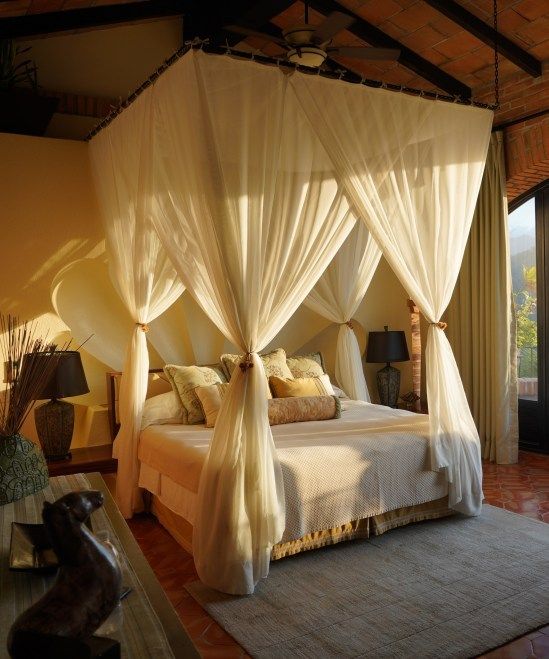
A bedroom should be a source of comfort and peace within a relaxing space. These bedroom decor ideas will help transform your space with a few small personal touches matched with your style. 25 more words
If you’ve ever dreamt of spending a night surrounded by your favorite cartoons you’re in luck — the Cartoon Network Hotel is (almost) open for business.
The Cartoon Network Hotel, located in Lancaster Pennsylvania, right next to Dutch Wonderland, is now accepting bookings for its June 2020 opening. The resort is just as over-the-top as you might expect from the people that brought you the Powerpuff Girls, Adventure Time, Johnny Bravo, and more.
COURTESY OF CARTOON NETWORKCOURTESY OF CARTOON NETWORK
“From the moment you enter the lobby, you’ll realize this is unlike any place your family has stayed before,” the hotel explains on its site.”With our character-themed guest rooms and Dream Suites, it’s like having a sleepover…in a cartoon.
The hotel will feature 165 rooms, an indoor pool, an outdoor water park, a play area, a game room, a cafe where guests can dine with characters, a Cartoon Network store, and more.
“The Cartoon Network Hotel will be unlike any other property in the region,” Rolf Paegert, chief operating officer of Palace Entertainment said in a statement. “Cartoon Network characters and theming will bring the property to life and offer magical, interactive experiences around every turn. This hotel is going to set the standard for guest-focused, themed lodging immersion.”
COURTESY OF CARTOON NETWORK
Beyond the rooms, the Cartoon Network Hotel will also partner with Dutch Wonderland, the amusement park next door, where guests of the hotel receive special admission discounts to the park and its 35 family-friendly rides.
Though the hotel’s precise opening date isn’t set just yet, cartoon fans can start planning their late summer vacations to the park now. Standard rooms start at $289 a night and the hotel’s Dream Suites start at $489 a night.- BY STACEY LEASCA
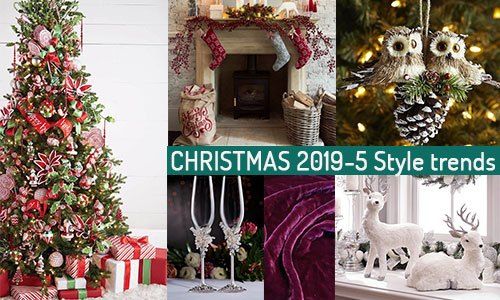
December has arrived and with it the most magical period of the year: Christmas. It is a time of celebration, of joy and union that allows us to return, even a little, children.Many of you will be waiting for the weekend to prepare the Christmas tree and home decorations, as usual. But for several weeks now, shops, in the city streets, have shown us beautiful Christmas decorations and many ideas for decorating our homes .
Let’s see then together what are the styles and trends that are protagonists of this Christmas 2019.
COUNTRY CHRISTMAS
One of the favorite styles of this year is the Country one. Simple atmospheres, for those who will spend the holidays in a house in the countryside, surrounded by warmth and authenticity. This style fits very well into homes where there are natural materials like stone and wood.
Rustic and warm atmospheres, to make us live our childhood memories. Then, if this is your favorite style, get yourself red and green decorations and natural elements like pine cones and berries. Checkered tartan fabrics are perfect for this style, to be inserted even inside the room with pillows and ribbons.
For the rest of the house we advise you to insert lots of wood, white and red candles and warm lights, for a unique atmosphere that warms the heart.
ICE CHRISTMAS
Another trend this year, opposed to the previous one, is to set the house in an icy environment, as if we were inside an igloo. The perfect colors for this style are white, silver and blue (not too dark but more turquoise). Glass and crystals are perfect to deface the tree as well as snowflakes and white lights.
If you want to feel even more immersed in a snowy atmosphere, place decorative polar bears and penguins, both at the entrance and under the Christmas tree, to satisfy even children.
GREEN NATURAL CHRISTMAS
This year the green color is confirmed among the trends. Trees with green elements to combine with natural wood decorations, branches, pine cones and leaves. A bright green matches very well with coppery, warm colors, such as brown and bronze.
The aim of this style is to create a woodland environment with the use of colors and natural elements. You can, then, decorate your home with little squares and little owls combined with lots of greenery, wood and delicate lights.
LUXURY-CHIC CHRISTMAS
New entry of this Christmas is the luxury style, elegant and refined. Here, the choice of colors is wider. Bordeux, purple, pink, black are the most used for this Christmas style. Absolutely not to be missed are gold and silver, combined with glitter and velvet decorations.
The atmosphere becomes more sensual and refined. Class and elegance are the keywords for those who want to give their home a touch of glamour and chic.
TRADITIONAL CHRISTMAS
Tradition, the one that can never be replaced. The one that takes us back in time and makes us children again. Yes, exactly, this is the style preferred by the little ones, because it is the freest, the one that allows us to give vent to our imagination. The only rule to follow is to abound with red, the Christmas color par excellence. The candy canes are a classic of the tradition, to hang on the tree and also on the fireplace or on the stairs.
Christmas balls in the shape of candies make it more fun, as do the reindeer, the little gingerbread man and Santa Claus. This year the gnomes are also trendy, of different sizes and colors.
These are definitely 5 trendy styles, from which to take inspiration. But the decoration of the building is above all a very personal moment, to be lived together with the family or with our loved ones, accompanied by Christmas songs, hot chocolate and maybe a nice Christmas film like ” Home Alone”. The fundamental ingredient for a perfect Christmas decoration is love, and if accompanied by fun and joy, everything will be even more magical!
Have you already decorated your tree? Which of these 5 styles is your favorite?
I created this list years ago to promote Native-owned businesses on the web. Each year, customers spend over a trillion dollars on e-commerce sales. By launching online businesses, Native people are able to access markets that reach beyond the confines of reservations or geographical borders and connect with customers throughout the world. via Buy Native List […]
Every month we select some of the best new urban artworks for you – including some street art masterpieces. They’ve been created over the last few weeks by artists in cities throughout the world including Paris, New York, London, Taiwan, Casablanca and Cancun. We have a mixture of new talent and old names this month.… via […]
Here’s a roundup of some of the stories that have captured Life & Soul Magazine’s attention this week:
1. 5 Indigenous And Native Activists Who Made An Impact In 2019 – Huffington Post profiles five Indigenous and Native activists who have had a powerful influence this year on their communities and in the world.
2. How quickly do fashion materials biodegrade? – The vast majority of materials on earth will biodegrade. The problem is that some, like plastic, will take a millennium to disappear. So what does it mean when a product is labelled as “biodegradable”? Vogue Business asks.
3. 2020 Will Be The Year Of Sustainable Business: Here’s Why – The first fundamental shift we will see in the next year will be some of the world’s biggest companies actively transforming their supply chains to become “circular,” under pressure from ethically-minded consumers, says Forbes.
4. Chew On This: Farmers Are Using Food Waste To Make Electricity – Dairy farmers in Massachusetts are using food waste to create electricity. They feed waste into anaerobic digesters, built and operated by Vanguard Renewables, which capture the methane emissions and make renewable energy, NPR reports.
5. This world map rates countries by the sustainability of their food systems – Food systems are going to need to be resilient to withstand climate change’s effects on agriculture. Looking at 20 factors, researchers now have a big picture about which countries are most under threat, Fast Company writes.
6. How Tesco, Sainsbury’s, M&S and other UK supermarkets are reducing plastic waste this Christmas – From ditching glitter to removing black plastic packaging, this is what UK stores are doing to take out plastic this December, the Evening Standard reports.
7. No-waste cooking: used orange and almond cake recipe – The Guardian features a zero-waste recipe from Amelia Wasiliev that makes use of used orange halves.
Rosa Medea is Life & Soul Magazine’s Chief. She writes about lifestyles including sustainable and green living. She also offers content services to businesses and individuals at Rosamedea.com
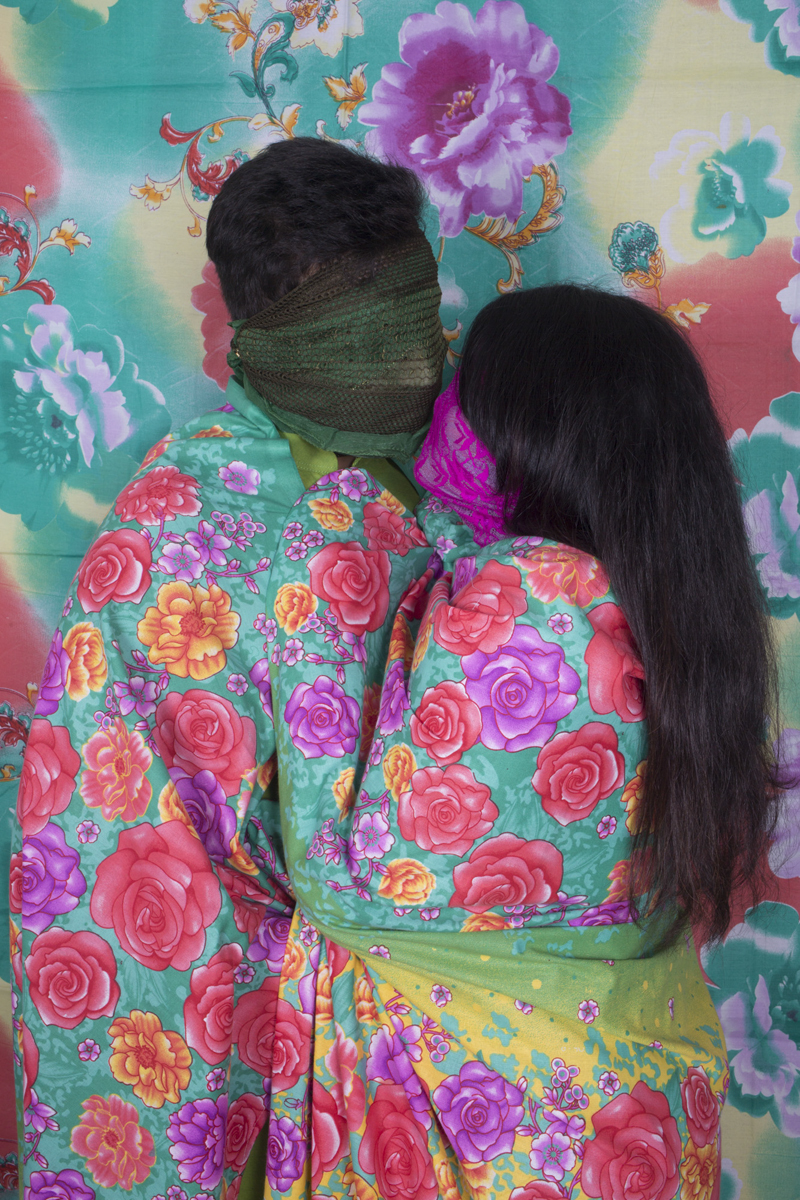
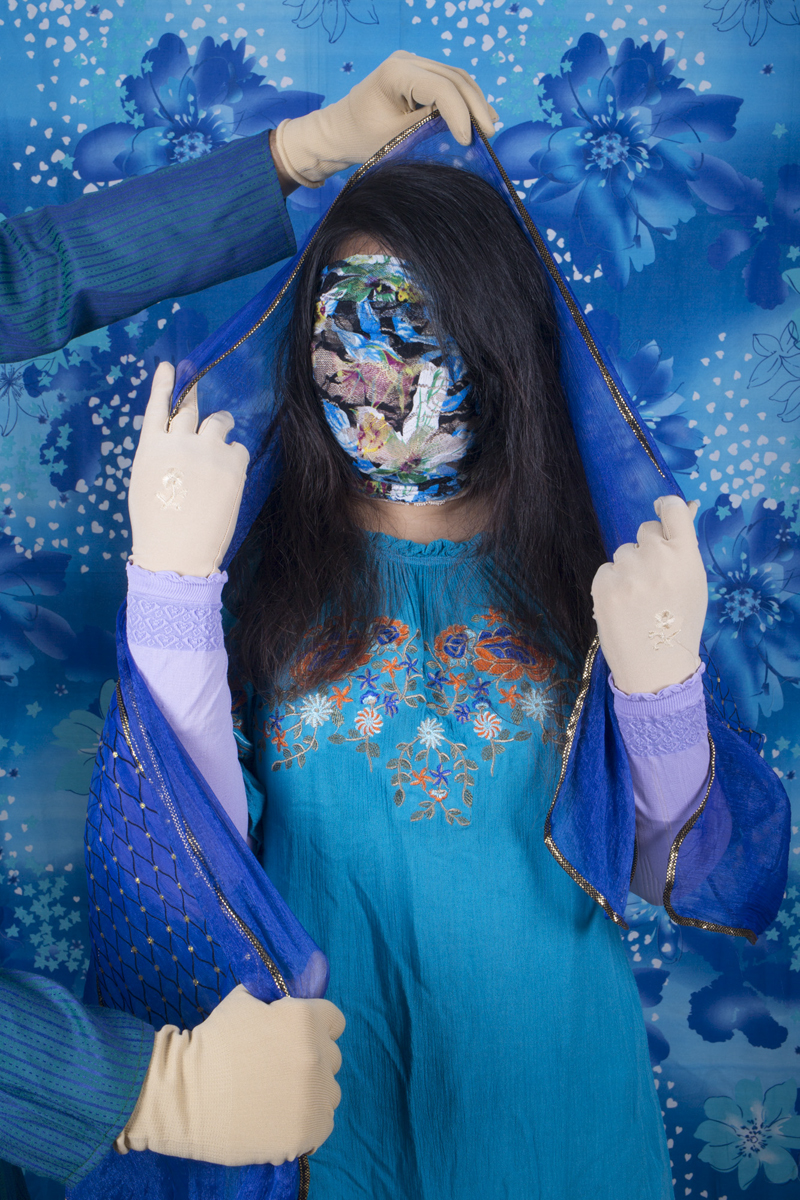
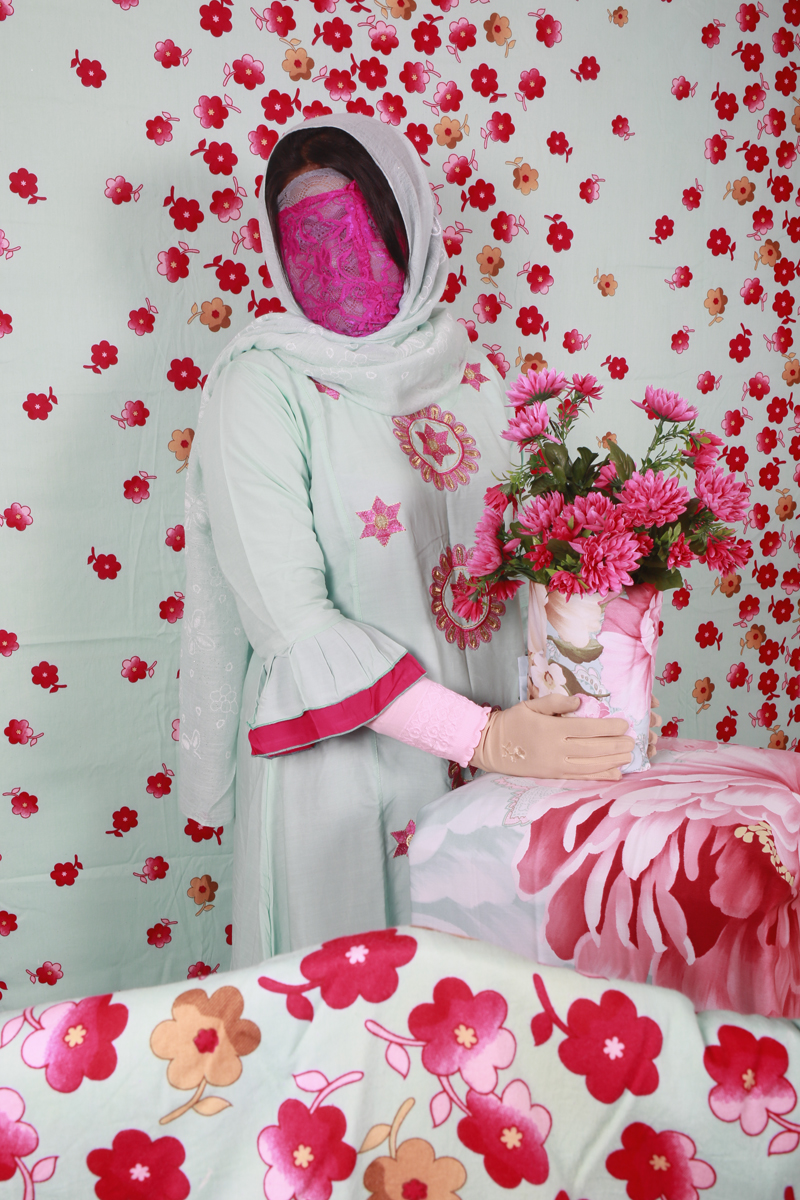
Habiba Nowrose from Dhaka, Bangladesh photographs from the lens of women’s rights. Her portraits are rich with motifs that signify personality, from bright flowers to colorful garments. But the most identifying aspect of the Nowrose’s subjects are missing — her models’ faces are covered with fabric, leaving only an outline of a figure behind. Her series “Concealed” reflects on women’s personal sacrifices to meet societal expectations. This assimilation leaves the faceless subject anonymous to themselves, and their viewers.