Spiritual Living is Security- Nisha Designs

Photo by @kjp

As an artist, textile designer, women business owner it is my responsibility to create and service that serves the greater good leading by example and shifting my own life. And it is important to be aware how my life choices impacts the environment by my energy, thought, belief system, choices and actions. What I create, how I use the energy and intention behind that creation, service will tell me if my focus is on physical or serving the greater good. If I create art, design, sell the products that I am selling with the intention of money, pride, popularity, then no I am not serving the greater good. Because here my focus is about physical things. But if I create my art, design service products because I love what I do, love what I provide to my customers regardless of the outcome for that design, art piece, fabric then yes I am serving the greater good. That is my security. That pure joy in creating, servicing and not focusing on physical and what it will bring me is the spiritual living taking care of me.

Living spiritually is where our security is. When I shifted my focus from physical things and people to complete spiritual living, I had and have complete security for life now. My purpose becomes my security. My life every moment, energy, thought, belief system, choices and actions are spiritually guided that which serves the greater good. Each of us born here are here as a guest, temporary not permanent. As a guest it is my responsibility to treat Mother Earth and all of her resources with respect and kindness. That means my life belongs to Mother Earth in everything I do. It is my responsibility to respect the land that has given me a life to experience Mother Earth. Your focus on Physical and financial things, body do not give you security. Security is your inner being, soul and higher mind not your conscious, money mind. Approaching life as a physical and material security can and will be taken away from you at any given moment in split second. You think you have but no you have no control on anything physical. If you say your job is a security? Hmm it can come to bankrupt or close down at any given time, money? Hmm that also can be taken away from you at any point, car, health, home, career, business, acquiring physical things, falling in love with a body than the inner being can be taken away from you at any given moment, if you think having a physical body to love, marry, kids is security then really look deeply they all can be taken away from you in split seconds coz you are focus on the physical not who they are inside. Physical things including physical bodies are not security. This so called magickal life you say by doing things, going to places, traveling, clothes, restaurants, brands you buy all have a physical focus. A magickal life is living spiritually that magickally takes care of you. And what gives you magickally will also be sustained magickally. You truly have no control on your physical life. But if you stay spiritually connected then yes it will secure you. Living spiritually is your security. Your focus is the key. Believe and you will see. Shift your focus. Just by shifting your focus you can bring change not only to your life but to Mother Earth. That is what is required to shift and bring change so mother earth can do what she has to do to bring things to balance.

Looking at your life what would you say is your foundation based on? What does security mean to you?

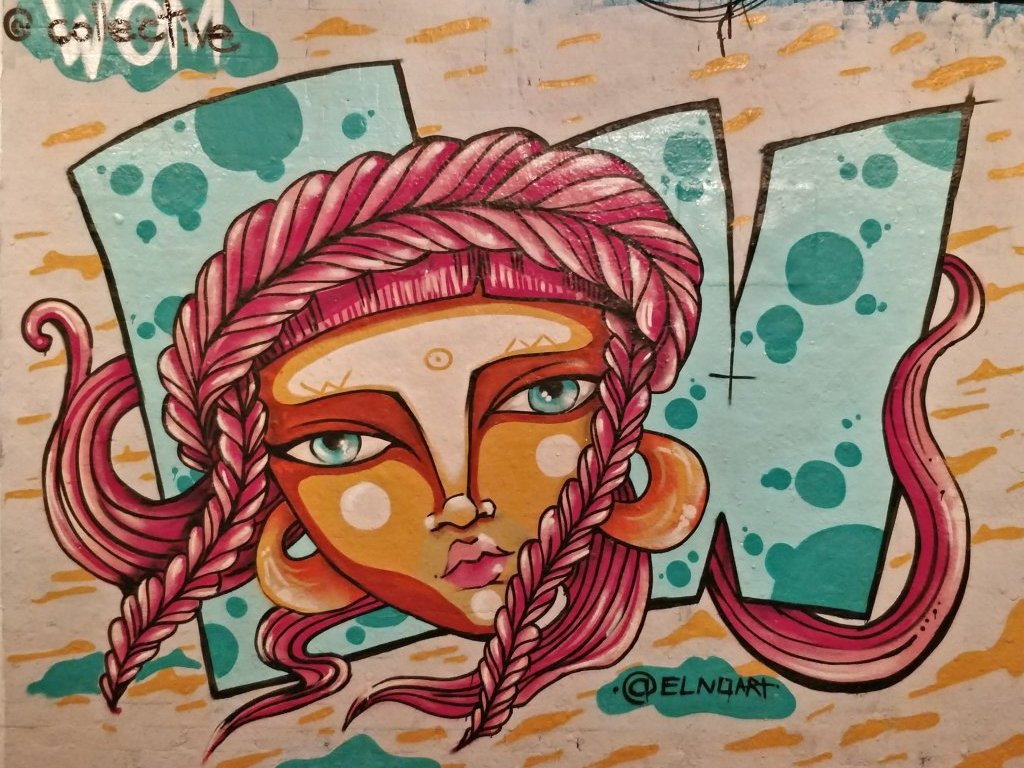
WOM Collective All Female Paint Jam in the Leake Street Tunnel — Inspiring City

The WOM collective, an all female group of street artists, put on their first paint jam of the year in the Leake Street Tunnel. First formed in August 2019 the collective aims to support local women artists. One of the ways of doing so is to host events such as this one. WOM collective, according…

via WOM Collective All Female Paint Jam in the Leake Street Tunnel — Inspiring City

Design and Architecture vs. Climate Change: What Does the Future Bring — ecogreenlove

Green living doesn’t have to look (or cost) like something out of a sci-fi movie. Today, there is a vast availability of ecological materials that can keep inhabitants safe while contributing to minimized pollution. Combined with modern design solutions, they’re helping create aesthetically pleasing homes in which families can live comfortably and sustainably.

via Design and Architecture vs. Climate Change: What Does the Future Bring — ecogreenlove

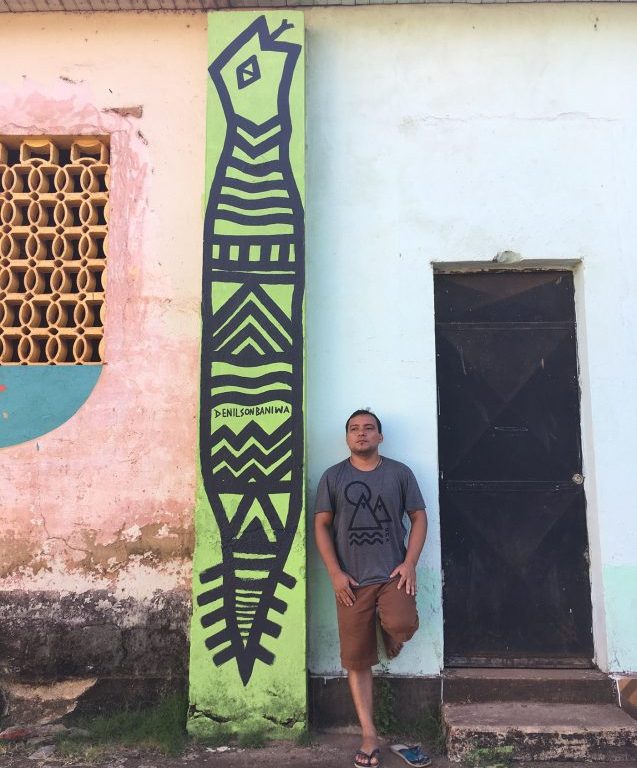
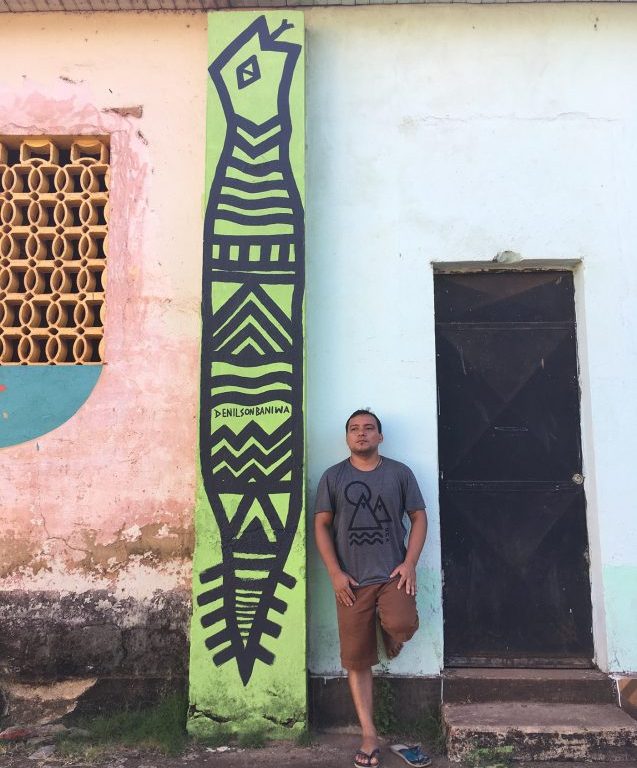
Denilson Baniwa: Indigenous artist fusing native references with non-native to communicate the thinking and struggle of his people in Brazil

Visual artist Denilson Baniwa is using art to communicate the thinking and struggle of indigenous people in Brazil and around the world today by mixing traditional and contemporary indigenous references with western, non-indigenous references throughout his artworks.

Denilson Baniwa of the Baniwa indigenous people uses canvas, installations, digital media and performances to highlight the experience of being indigenous in present times.

A native of the Rio Negro in the Brazilian Amazon, the artist, who currently resides in Niterói, incorporates graphics, animals and references to Baniwa life and cosmology with western cultural references such as pop art, Hollywood, and “popular” culture.

Among his artworks are iconic images of Mona Lisa and Queen Elizabeth II with tribal markings. He illustrates the coming together of native with non-native species in a colourful artwork, entitled Diabetes, where a young indigenous man is drinking a can of Coca Cola, highlighting the harm caused through non-native things including products and people.

As a youth, Denilson Baniwa engaged in the struggle for the rights of indigenous peoples and moved through the non-indigenous universe, seizing references that would strengthen their resistance.

His artworks always highlight the plight of indigenous people and animals, including the jaguar, and the artist also uses his art to highlight the damage being caused by the likes of agribusiness and the current Brazilian president Bolsonaro’s position on mining on indigenous lands.

In a digital media performance entitled Azougue 80, the artist eats artificial fishing lures from a plate next to a glass full of mercury (called azougue in Portuguese), the poisonous metal used in gold prospecting that contaminates rivers, including those in the Yanomami indigenous territory. In the background, there’s a soundtrack of Bolsonaro chatting with someone, praising gold prospecting and comparing it to fishing.

In an interview with IHU, Denilson Baniwa said: “We are living in that time where the destruction of human beings is very likely, because we are destroying everything that we find ahead: the oceans full of garbage, the forests that have become lifeless pastures, the polluted cities, the diseases that are derived from the style current life, the violence caused by the maintenance of power.

“It is likely that this world will end soon, if we are not more aware. The good news is that right after the destruction, there will be a renewal where the world itself will heal itself, because the world’s poison is the human being, where all sorts of evil resides.”

Images Credit: Denilson Baniwa

Denilson Baniwa

Rosa Medea is Life & Soul Magazine’s Chief. She writes about lifestyles including sustainable and green living. She also offers content services to businesses and individuals at Rosamedea.com

Around the World in 80 Eco Spas: Banasura Hill Resort, Kerala, India

Life & Soul Magazine’s Travel Guide to Eco Spas will whet your appetite for a vacation that brings healing to holidaymakers in accommodations that work in harmony with the planet.

21. Banasura Hill Resort, Kerala, India

One of India’s greenest resort and spas, Banasura Hill Resort, is applauded for being the largest “earth” resort in the country.

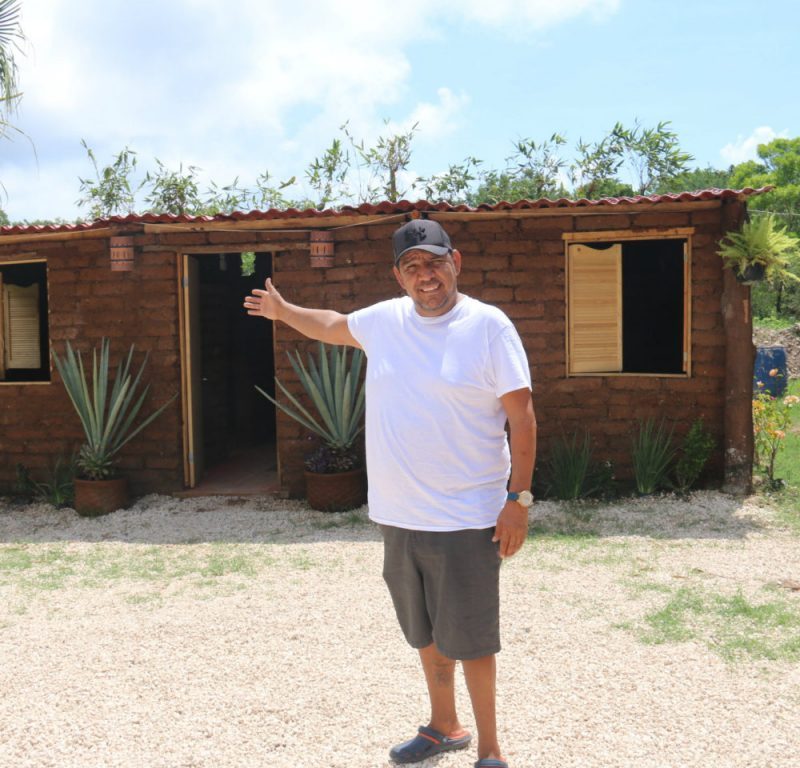
Constructed entirely from natural materials – mainly mud known as rammed earth, recycled wood, and bamboo and coconut palm leaf roofs, Banasura Hill Resort sits some 3500 ft above sea level nestled on a 35-acre eco-friendly farm in Kerala’s Wayanad district.

The earthly, rustic charm of the resort, constructed using mud excavated from the very site that it stands on, blends harmoniously with its lush green surroundings which include gushing mountain streams, spectacular waterfalls, and coffee, tea, pepper and cashew plantations.

Using sustainable archictecture techniques, “earth” architecture was chosen in the building of Banasura Hill Resort as it would cause the least amount of ecological damage in this biodiversity hotspot, which is part of the Western Ghats UNESCO World Heritage Site. With its mountainous range sprawling with forests, the Western Ghats is believed to be older than the Himalayas, and indigenous tribes of the region have long been familiar with the rammed earth method of building.

An indigenous tribe from the nearby Kurichiya village played a significant role in contributing their skill and expertise in the construction of Banasura Hill Resort, including creating a bio-fence by planting thousands of bamboos of different varieties around the resort’s perimeter.

Since Banasura Hill Resort stands in the middle of a tropical forest, all views from the resort’s naturally cooled earth huts and cottages are awe-inspiring, including a view of Banasura Hill which looms majestically behind the resort. The natural terracotta-coloured walls of the accommodations are largely left bare so guests can marvel at the craftsmanship gone into Banasura Hill Resort, while bamboo furnishings enhance the natural look and feel.

The resort also has a rejuvenating Ayurvedic spa where guests can experience massages which make use of traditional herbal preparations and medicated oils. It also has an outdoor pool.

Banasura is committed to sustainable practices throughout its operations including harvesting rainwater, and a biogas plant which recycles organic waste into manure and kitchen fuel.

Banasura Hill Resort is likely to appeal to people of all ages, however it’s nature lovers that are to benefit the most from a stay at the Kerala-based resort given that stunning greenery such as cascading waterfalls, plantations, caves and a national park is “on your doorstep”.

Images source: Banasura Hill Resort Facebook page

Banasura Hill Resort

Rosa Medea is Life & Soul Magazine’s Chief. She writes about lifestyles including sustainable and green living. She also offers content services to businesses and individuals at Rosamedea.com

The Brighton Waste House: A blueprint for public buildings made almost entirely from waste

The Brighton Waste House – made from 20,000 toothbrushes, 4,000 DVD cases, two tonnes of denim jeans, 2,000 floppy discs, 2,000 used carpet tiles, and construction waste – continues to inspire six years after it was constructed.

A permanent building, the award-winning waste house, designed by the architect and University of Brighton lecturer Duncan Baker-Brown, was opened in June 2014 and continues to be a “live” on-going research project and design workshop.

Situated on campus at The University of Brighton’s College for Arts & Humanities in the South of England, The Brighton Waste House was constructed from approximately 90% waste, including surplus material and discarded plastic gathered from the construction industries and homes.

In the construction of the Waste House, 10 tonnes of chalk waste and 10% of clay was used to create a rammed chalk wall. Rammed earth can contribute to the overall energy-efficiency of buildings. The density, thickness and thermal conductivity of rammed earth make it a particularly suitable material for storing passive solar energy as well as that given off by occupants of the building.

The “carbon negative” building, which was built by students and volunteers, also draws attention to the huge environmental consequences of throwing away everyday domestic objects. Therefore the Waste House also “locks away” other sources of waste material, such as duvets, toothbrushes, music cassettes and old plastic razors, that were slotted into wall cavities to help with insulation in the house.

Now an open design research studio, the Brighton Waste House is also available to schools, colleges and community groups for “green” themed events.

Image Credits: The Brighton Waste House and BBM Sustainable Design Limited

The Brighton Waste House

Rosa Medea is Life & Soul Magazine’s Chief. She writes about lifestyles including sustainable and green living. She also offers content services to businesses and individuals at Rosamedea.com

Best Eco-friendly Rug materials for your Home — ecogreenlove

What eco-friendly materials are best for your rug?

As pollution indoors can be higher than pollution outdoors due to toxic gases emitted from the furniture and floor coverings, we should consider carefully what materials are used in the production of our furniture as well as rugs. Rugs that are made of natural fibers are not synthetic or chemically treated and they are derived from plants. Many of them are also made with renewable resources. Some of the most environmentally friendly rug materials are wool, cotton, hemp, jute, bamboo and a few others.

Custom design your Rugs and Carpets. Email Nisha Desai at nisha@nishadesigns.com or call 702.622.8321. for more information.

Wool

When considering what rug material is right for your home, wool definitely occupies an important place. It is a natural material that we get from sheep and goats. When choosing a wool rug, mind the fact whether there were chemicals added in coloring or preservation of the wool. When compared to the aspect of durability, wool rugs are much more durable than rugs made of synthetic fibers. It is definitely one of the best choices you can make. Another thing that makes wool perfect is its resistance to stains. Due to organic coating, every fiber is covered in, it is able to repel both water and all kinds of stains. Wool fibers are in curly shape, which makes them difficult for wearing the pile down. So, a wool carpet is a perfect option for heavy traffic areas in your home. Other advantages of wool include the fact that it’s hypoallergenic, it purifies the air and it doesn’t allow for mildew to develop. It also naturally insulates your home and provides warmth. Wool rugs come in many colors, patterns, and sizes.

Cotton

Cotton is a material that is characterized by sustainability, renewability and biodegradability. It is also less expensive than the previously mentioned wool. Cotton is a highly popular, durable, eco-friendly and hypoallergenic material. All of these characteristics make it the biggest natural fiber that satisfies our textile needs. You can often find combinations of wool and cotton for a more affordable rug alternative. They can be manufactured in many different colors and they hold on to their color for quite a long time. If you’re looking for new, eco-friendly rug alternatives, check out companies such as Click Rugs as they offer quite a wide range of different rug materials, colors, purpose, style and rugs originating from different countries.

Hemp

Hemps is yet another natural material that is also hypoallergenic and it’s non-irritating for our skin. What’s more, it’s naturally pest-resistant and requires little water during it’s growing period. We get hemp from hemp grass (mount grass) that grows in the highlands of China. As a material, hemp is quite soft and flexible. Its natural colors vary from a variety of warm, tan shades. The process of spinning hemp into yarn cords requires little processing.

Jute

One of the most environmentally friendly materials in the world is surely jute. It is derived from a tropical plant and it’s characterized by durability and the ability to be biodegradable and recyclable. Jute fibers are multi-purposeful and are used to make rugs, mats, hessian bags and twine. Another name for jute is the golden fiber as its color varies from off-white and brown. It is just behind cotton when talking about popularity as a textile material. Most of the jute rugs come in natural shades but they can also be dyed in different colors. Colors can vary from the more natural hues to the ones that are bolder and their aim is to accentuate.

Bamboo

Bamboo is a durable, eco-friendly and high-quality material used for the production of rugs, clothes, furniture and a lot of other things. As a plant, bamboo is highly renewable and bamboo forests can be grown in a matter of years. It also doesn’t require many resources for its growth. So, it definitely satisfies our eco-friendly standards. Bamboo as a rug material is both strong and soft and it makes any rug practical and comfy. Bamboo rugs breathe nature with their colors and patterns. They usually come in many shades of brown and green.

Seagrass

Seagrass as a rug material is a material that’s durable, easy to clean and eco-friendly. In many cases, seagrass is not dyed but is simply left in colors as it is. Natural colors of seagrass include shades from khaki tan to sage green. Another feature of seagrass is that it’s stain-resistant due to natural wax on each fiber, which prevents dirt from settling in.

Sisal

When speaking about materials that are sustainable, durable, biodegradable, stain-resistant and eco-friendly – sisal occupies an important place. Around 1000 fibers are produced from a single sisal leaf. It is a material that’s affordable and naturally insulated, which helps you in controlling your heating and cooling energy consumption. Sisal is easily dyed and bleached, so it comes in many diverse colors.REPORT THIS AD

Nowadays, in this contemporary and modern era, when we realize the importance of being eco-friendly, it is up to us to do something for our planet. And what better way to start than from the floor you walk on? So, choose your floor coverings wisely and the future generations will thank you for that ecological choice.

Best Eco-friendly Rug materials for your Home | ecogreenlove

VIA: https://lifeandsoulmagazine.com/2019/12/15/best-eco-friendly-rug-materials-for-your-home-ecogreenlove/

COLORADO – MODERN BASIC FAUX LEATHER- Nisha Designs

Colorado is a modern faux leather with a wide and vibrant colour range. This includes 49 colours – from finely graded natural tones via light powdery to intensive colour tones.

Colorado meets current environmental requirements. It contains no phthalates (softeners), is antibacterial and disinfectant- and urine-resistant. With 400,000 rubbing tours, the faux leather is extremely hard-wearing.

With these properties, Colorado is suitable for headboards, bed surrounds and furniture for indoor, outdoor and health & care applications.

Colorado has a Sanitized® hygienic function. This property protects the faux leather against bacteria and mould, reduces mites and odours and is therefore anti-microbial.

For samples and information please email Nisha Desai at nisha@nishadesigns.com or call 702.622.8321

Frilling soft furnishings for 2020 — Charis White Interiors — Wyndesong Collectibles

A very Happy New Year to you, I hope you have had a lovely Christmas? It is a New Year’s Day blog tradition to take a look at which interiors trends might be making the headlines in the year ahead. 24 more words

Frilling soft furnishings for 2020 — Charis White Interiors — Wyndesong Collectibles

Giraffe Manor: Guests get up close with Rothschild giraffes at conservation-supporting boutique hotel- Life & Soul Magazine

There’s few boutique hotels in the world that can lay claim to visitors rubbing shoulders with giraffes over the breakfast table other than Kenya’s Giraffe Manor.

Giraffe Manor, set in 12 acres of private land within 140 acres of indigenous forest in the Langata suburb of Nairobi, is a wonderful and delightful vacation for anyone who has an affinity with the graceful and elegant mammals that are giraffes, namely the Rothschild species.

The boutique hotel, which is situated at one end of land used as a sanctuary by the Africa Fund for Endangered Wildlife for this rare species of giraffe, is often visited by a herd of Rothschild giraffes morning and evening, who sometimes poke their long necks into the windows of the dining room in the hope of a treat, before retreating to their forest sanctuary.

The giraffes are nurtured within the 140 acres of the estate, until they are ready to be reintroduced into the wilds of safer National Parks and game reserves wherever possible.

The Rothschild giraffe is one of the most endangered species of giraffe with under 2000 estimated to be left in the wild in 2016. One of the tallest giraffes, the Rothschild giraffe can grow to 19 feet in height and weigh about 2,500 pounds, with the males weighing more than the females by several hundred pounds.

Giraffe Manor, an English-style country mansion, has been supporting the conservation of the Rothschild giraffe since the 1970s when the then owners Jock and Betty Leslie-Melville first adopted an orphaned Rothschild giraffe, Daisy.

Now owned by The Safari Collection, Giraffe Manor has become a world-renowned boutique hotel, with 12 rooms offering guests old country house charm. Managed like a family home, dinner is served at a long table in the dining room, and after drinks served by the fire on the terrace overlooking the rolling lawns.

The Safari Collection supports several initiatives that protect local wildlife, including the Mara Cheetah Project, and operate sustainable practices throughout its portfolio of hotels aimed at reduce its  energy, water and materials and emissions.

A popular place to stay in Kenya, mainly because of its resident four-legged friends, Giraffe Manor recommends booking 1-2 years in advance prior to travel.

Images Credit: Giraffe Manor

Giraffe Manor

Rosa Medea is Life & Soul Magazine’s Chief. She writes about lifestyles including sustainable and green living. She also offers content services to businesses and individuals at Rosamedea.com