


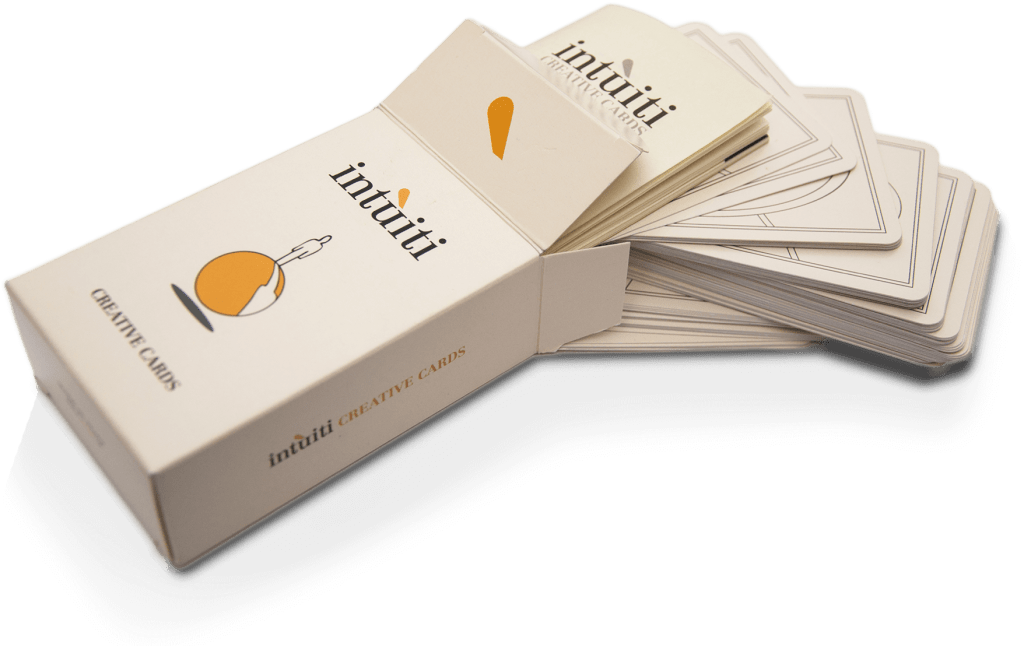
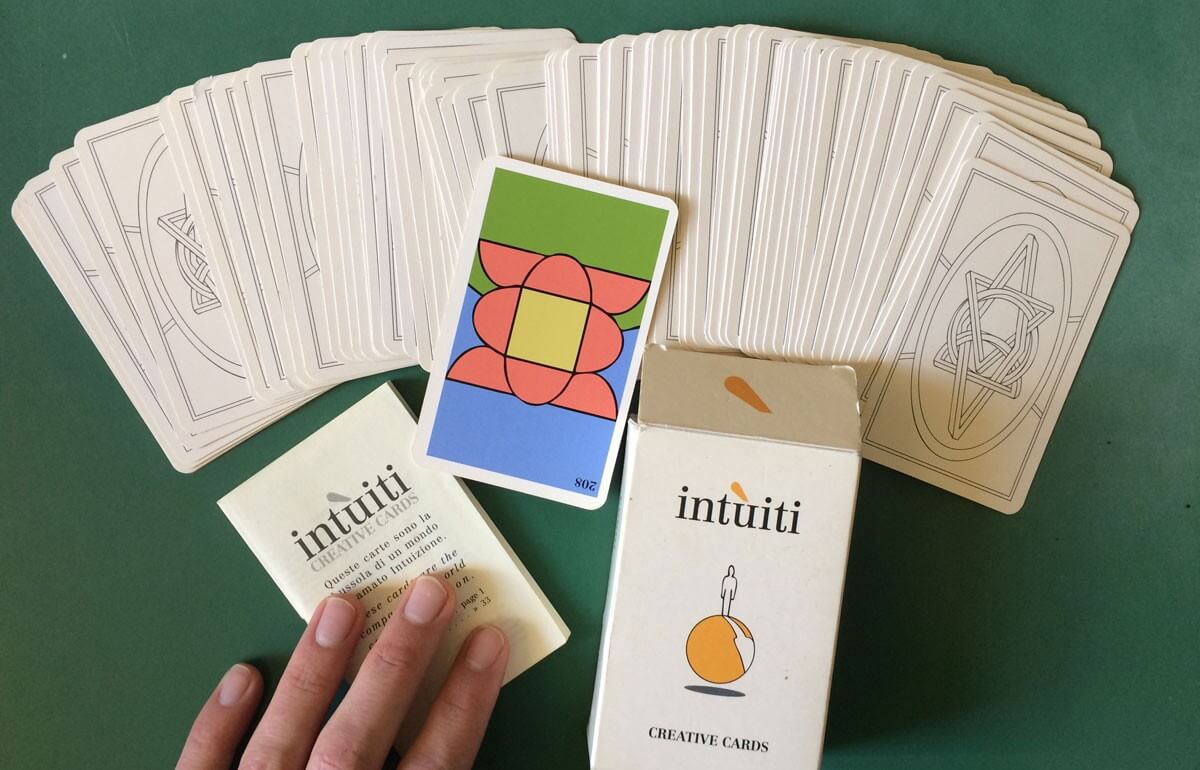
It was born as a project of the Polytechnic University of Milan and it represents a new way of living the subject of creativity, an issue that is often superficially tackled. Instead of forcing the user to find an idea, as it happens with some techniques like brainstorming or the mind map, Intùiti invites to sit calmly and to feel what one has to give, remembering that creating must be a source of joy and satisfaction.
Intùiti proposes pointed suggestions, obtained from the analysis of classic tarots, that are a rich collection of archetypes. It has no divination purpose: each card is related to a thinking model that belongs to our culture, a powerful incentive that can put in motion creative and inspirational processes.
Intùiti is a synthesis of Design, Tarots, Numerology and Gestalt Psychology. It is both a serious game and a powerful tool that brings out the brightest side of creativity without employing rigid schemes.
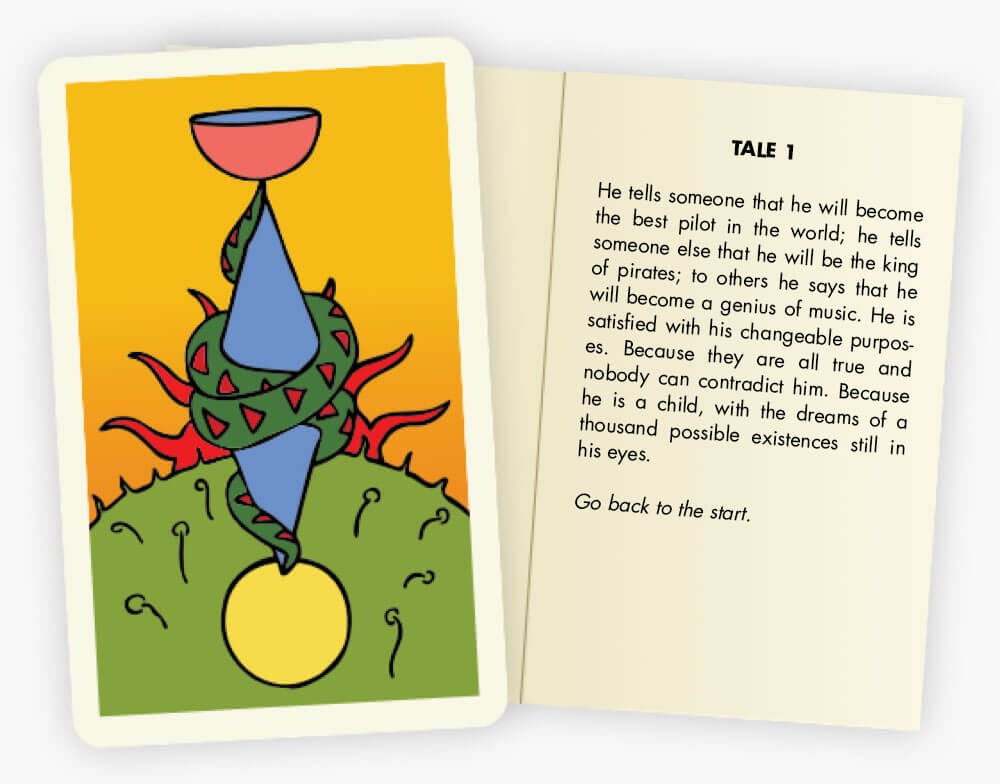
In the pack you will find two series of pictures: the primary intùitiand the secondary intùiti. The first ones are extensive inspirations; the second ones are more specific. To each picture corresponds an evocative tale that intensifies its sensation.
Each card represents a powerful incentive and is designed using Gestalt principles so you can recognize emotionally the related archetype.
You can play as you see fit. There are no main rules. It’s a tool for creative thinking based on visual and imaginary associations, so you just have to shuffle the deck, pick a card, and “let it speak”.
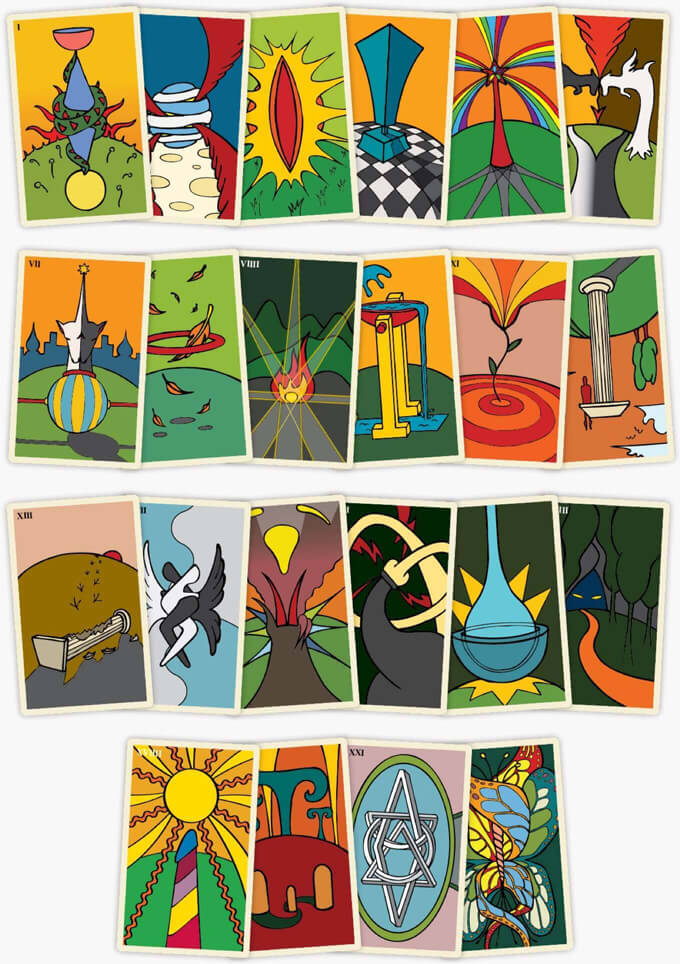
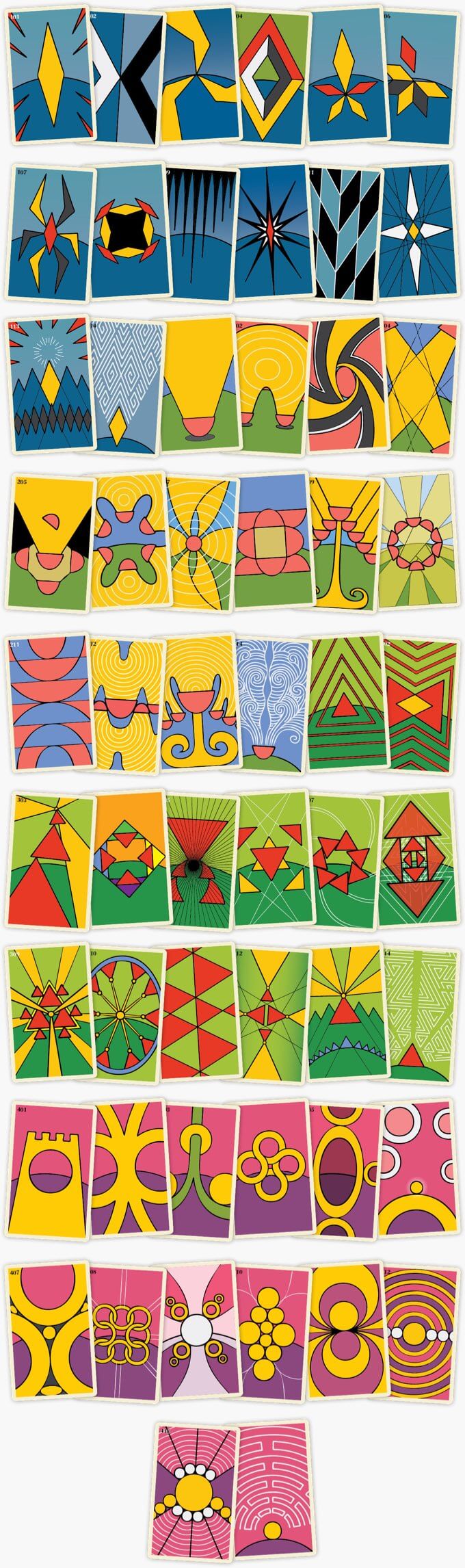
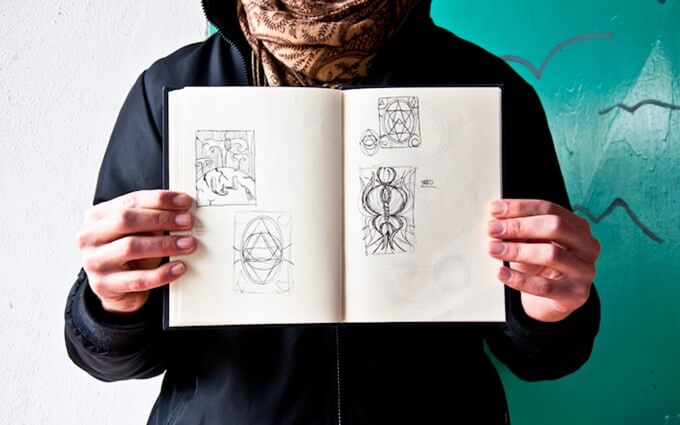
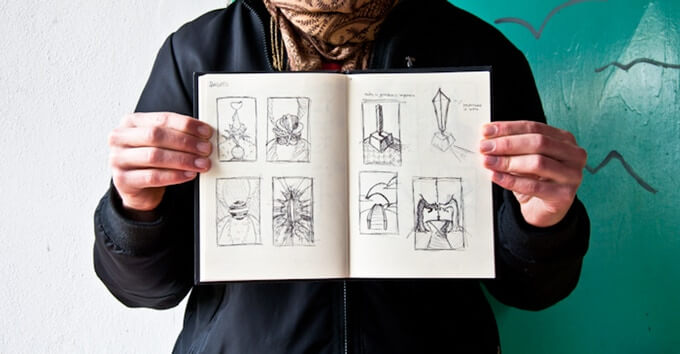
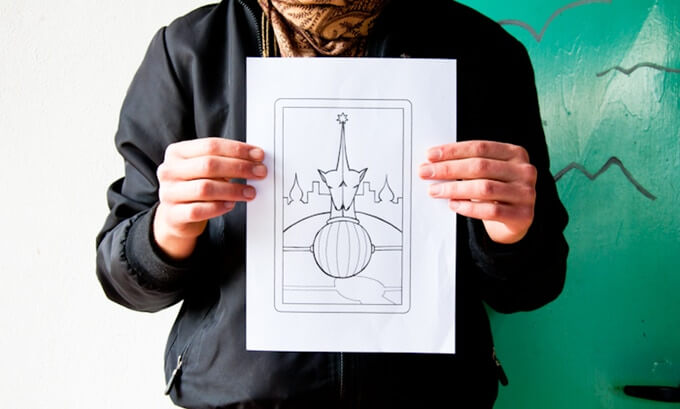
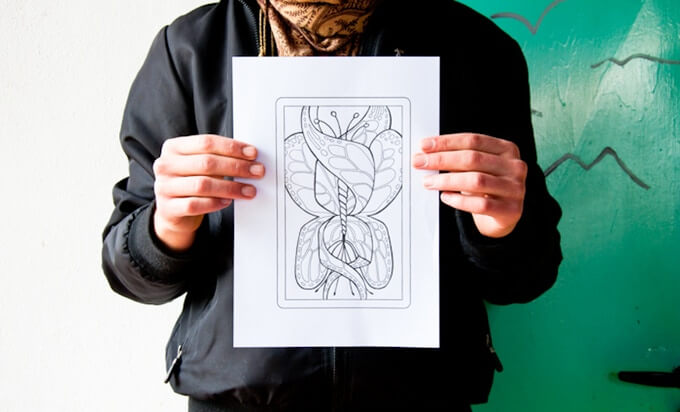
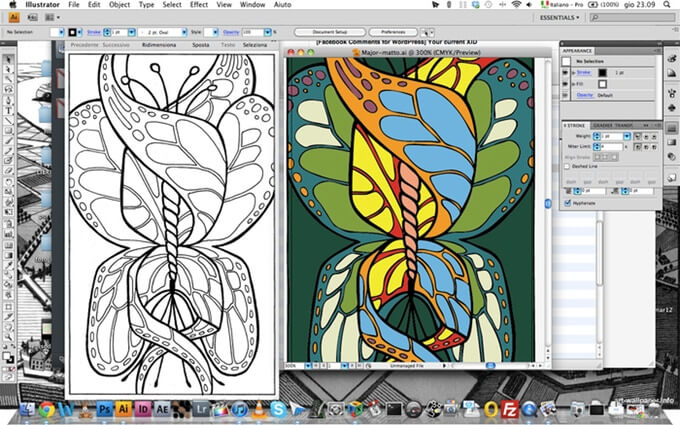
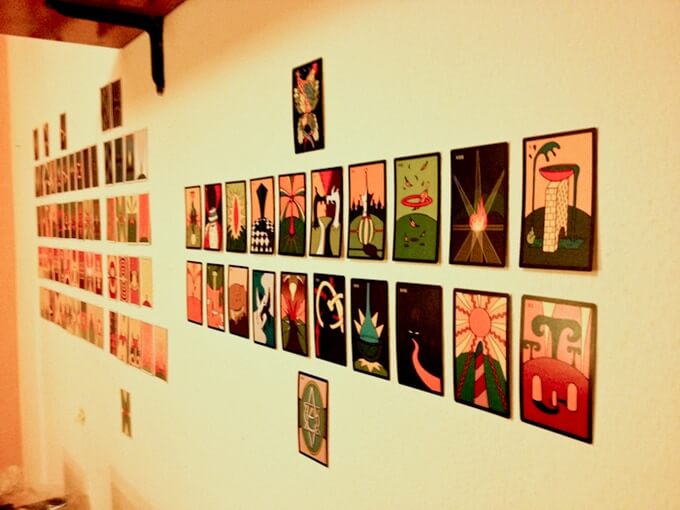
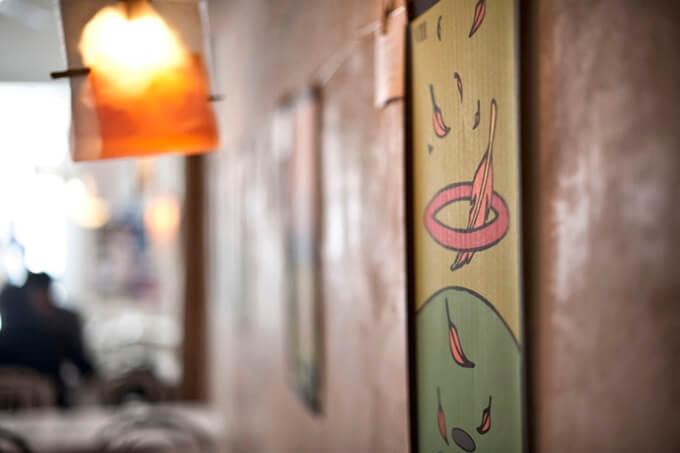
It took over one year of study and development and then other 6 months for enhancement. All the drawings are handmade and later digitalized for the industrial production.
People often want to find the solution to their “creative problems” in a tool or in method; they would like to have an equation, an algorithm able to solve the real issue of Creativity: to create something new. But using a “recipe” for writing a novel means to have produced something, not to have invented something.
It’s important to reiterate: Intùiti is not an algorithmic function that can “make people creative”, or a scientific method able to produce thousands of brilliant ideas. It’s an inspirational tool: it’s not an answer, but a continuos question.
Via: https://intuiti.it

The word Beltane corresponds to the modern Irish Gaelic word Bealtaine, the name of the month of May, and to the Scottish Gaelic word Bealtuinn meaning May Day.
Other names For the Day and the celebrations are:
May 1: Rudemas/Roodmas, Rood Day (the Christian term for Rood Day), St. Walburga’s Day; Beltane, May Day, Cetsamhain (opposite Samhain), Cershamain, Fairy Day, Sacred Thorn Day, Old Beltane, Beltaine, Beltain, Baltane, Walpurgis Night, Floriala (Roman feast of flowers from April 29 to May 1), Walpurgisnacht (Germanic-feast of St. Walpurga), Thrimilce (Anglo-Saxon), Bloumaand (Old Dutch) This holiday like many of the sabbats start on the eve and is celebrated thru the following Day.
There is no consensus on how the name was derived at but it is agreed that this Sabbat honors fertility and creation.
This was also a time when many cultures light Balefires. In some places that is still an honored tradition.

Beltane is mentioned in some of the earliest Irish literature, and it is associated with important events in Irish mythology. It marked the beginning of summer and was when cattle were driven out to the summer pastures. Rituals were performed to protect the cattle, crops, and people, and to encourage growth.


A small earthen village near the Atlas Mountains of Morocco is now home to a women’s community centre, designed and built by local women and a group …
Moroccan women collaborate with architecture students to design and build women’s community centre near Atlas Mountains from earth and stone

DELIGARD upholstery fabrics: unrivaled in cleanliness and easy maintenance. Bacteria, dirt and moisture don’t stand a chance with this pattented innovative system. In hotels, restaurants, retirement homes and clinics textiles create an especially relaxing atmosphere by reducing noise and spreading warmth and comfort. DELIGARD upholstery fabrics have a singular anti-dirt protection; they thus offer protection against contermination which is of great importance in highly frequented public areas. They are the solution for long-lasting stainless upholstery.
Each individual fiber is enclosed by a protective sheath, replacing the commonly used “shallow” surface coating found in other fabrics. The special layer on the reverse side prevents the penetration of moisture and wetness. This innovative technology provides lasting protection against impurities and dirt, and is easy to clean.
Brooks DELIGARD expands this successful series of upholstery fabrics. It is characterised by its discreet graphic pattern and a soft touch. With this combination it not only offers a discreet and modern look, but also gives rooms a cosy atmosphere.

Here is an overview of the DELIGARD characteristics:

Brooks Fabrics: https://www.delius-contract.de/en/products/contract-fabrics/brooks
Do you need samples or advice? Then send an e-mail to nisha@nishadesigns.com or call us at 702.622.8321


Walking the path of earth is living in harmony with nature in everything we do. The word nature literally means “that which is born.” When the poet e.e. cummings spoke of the difference between “a world of made” and “a world of born” in one of his most famous poems, he gave voice to trust in nature— recognize that the natural world is our home, our source, and the teacher of the wisdom we most need to learn- Philip Carr- Gomm
The Celtic symbol of the dragon is magical, one of transformation and eternal wisdom. The druids respected dragons as forces of nature, the guardians of mother earth and all things sacred, the protectors of nature and all living things. The dragon holds the powerful Celtic symbol of protection and power. These magical beings represented all that the universe has to offer.
Dragon energy was worshiped and used for the greater good. At special celebrations of the turning seasons of the year, to harvest the right crops, as a true guardian for all they held sacred.

The earth dragon has a symbolism of nature and all things connected to our Mother Earth. The earth dragon asks us to connect with nature in all of its beauty. The true wealth is not money but from the beauty of our land.
Call on the energy of the earth dragon if your energy needs grounding, or if you have lost your way a little, she will reconnect you to true source and bring back your power.


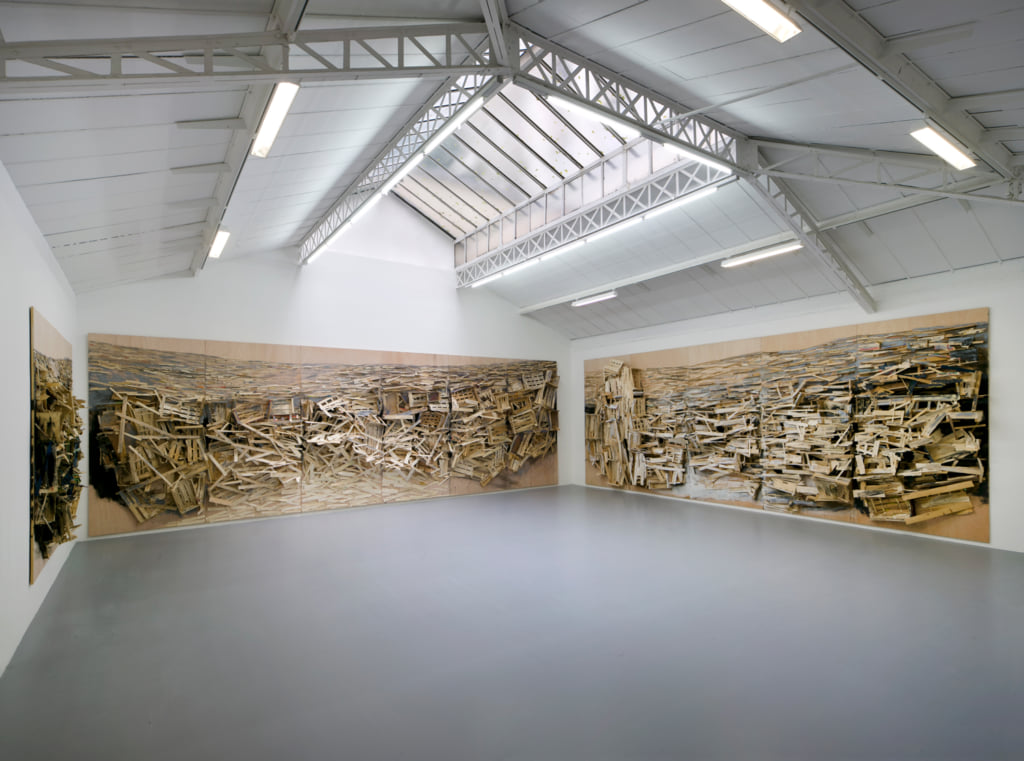
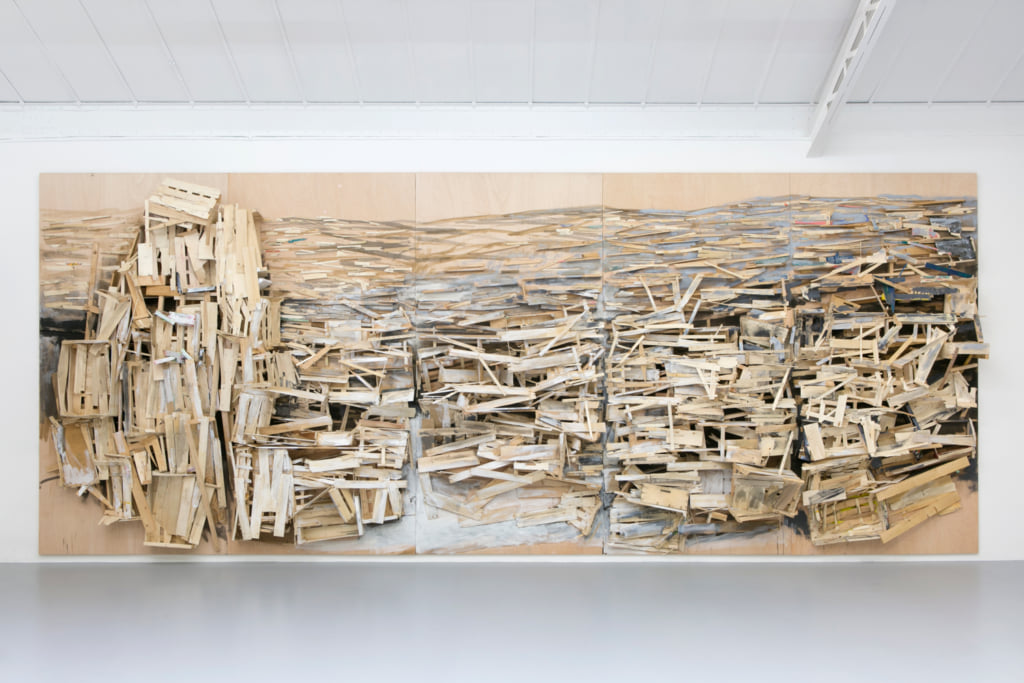
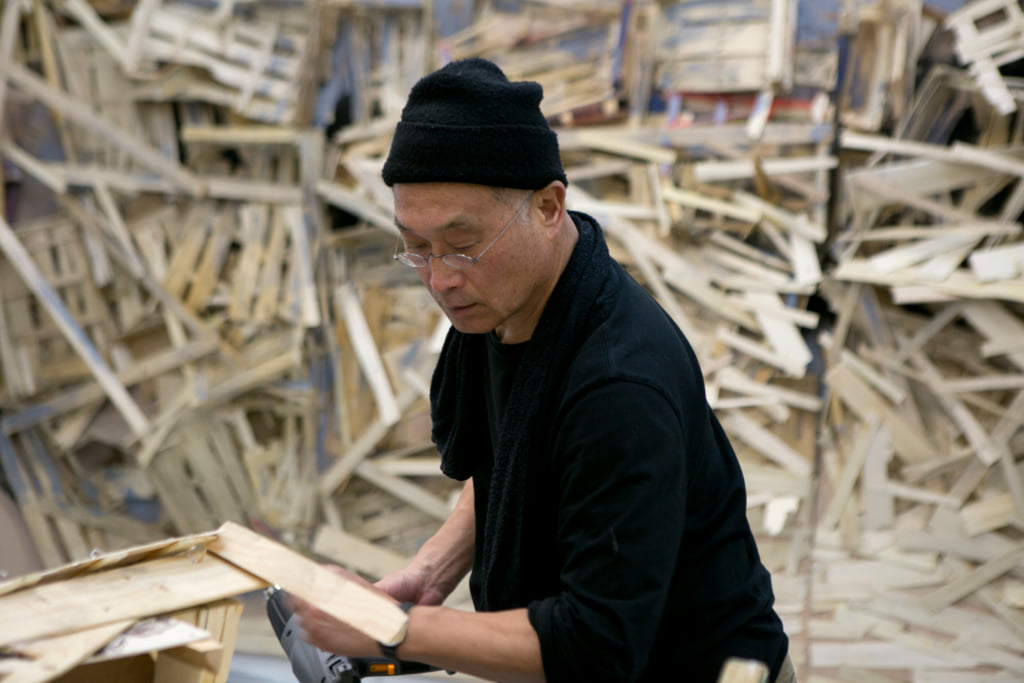
Tadashi Kawamata is a man with a material, wood. With this he builds cabins, observatories, nests and monumental frescos that are at home both in galleries and in the heart of towns and cities. While you might think that the artist, educated at the Tokyo University of the Arts, would use only high quality woods, the reality is rather different. Kawamata instead uses recycled wood from furniture from junk shops, old crates and other left over materials. These recycled materials have been elevated by art, both make for beautiful creative objects, and have a low environmental impact.
The artist works between Paris and Tokyo and began attracting global attention in the 1970s with his in situ works entitled By Land. He installed wood cabins in the most inaccessible parts of New York and Tokyo, such as Madison Square. A few years later he created Les chaises de traverse, a huge pile of wooden chairs suspended between the floor and the ceiling in the Delme synagogue. A few miles the artist also filled the Saint-Livier Hotel in Metz with a wall of chairs. In a short film by Gilles Coudert, the artist explains how each of the chairs represents a different person with a different history, and the wall is as if each of these people were linked together. In 2010 the artist scaled up, setting up a cabin in front of the Centre Pompidou before his chef d’oeuvre at the Renaissance Palazzo Strozzi in Florence.
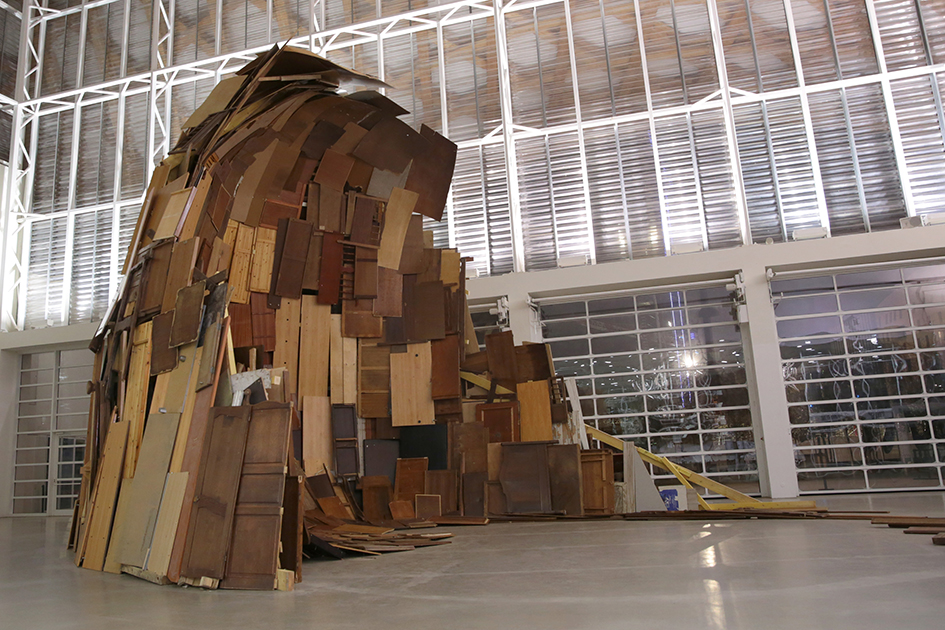
Tadashi Kawamata, Wave, 2016 Installation in situ. Éléments de mobilier en bois récupérés. Vue d’exposition “Tadashi Kawamata. Under the Water – Metz”, Centre Pompidou-Metz, 2016 © Tadashi Kawamata © Centre Pompidou-Metz / Photo Noémie Gotti
In 2011 the work of Kawamata took on a new dimension following the tsunami that hit Japan. In Tokyo during the earthquake, he soon left for Paris, while people at home were on the front line helping one another, the artist wondered how he could maintain a link with them. He soon made one of his most emblematic works Under the Water a huge wooden wave recreating the tsunami that ravaged the Japanese coastlines. The work was exhibited at the Centre Pompidou Metz and at the gallery Kamel Mennour where the artist often shows.
Some would like to categorise it as an activist project, but Kawamata firmly rejects the appellation, I’m not an activist, he says, preferring instead to think about the political and social aspects of an issue in a different way. His work would be better described as Land Art, a name given to him when he was appointed the Ordre des Arts et des Lettres in 2014. The contemporary art movement however also uses natural materials but is more oriented towards work that uses nature as its canvas, whereas Kawamata is more at home in the urban or public spaces.
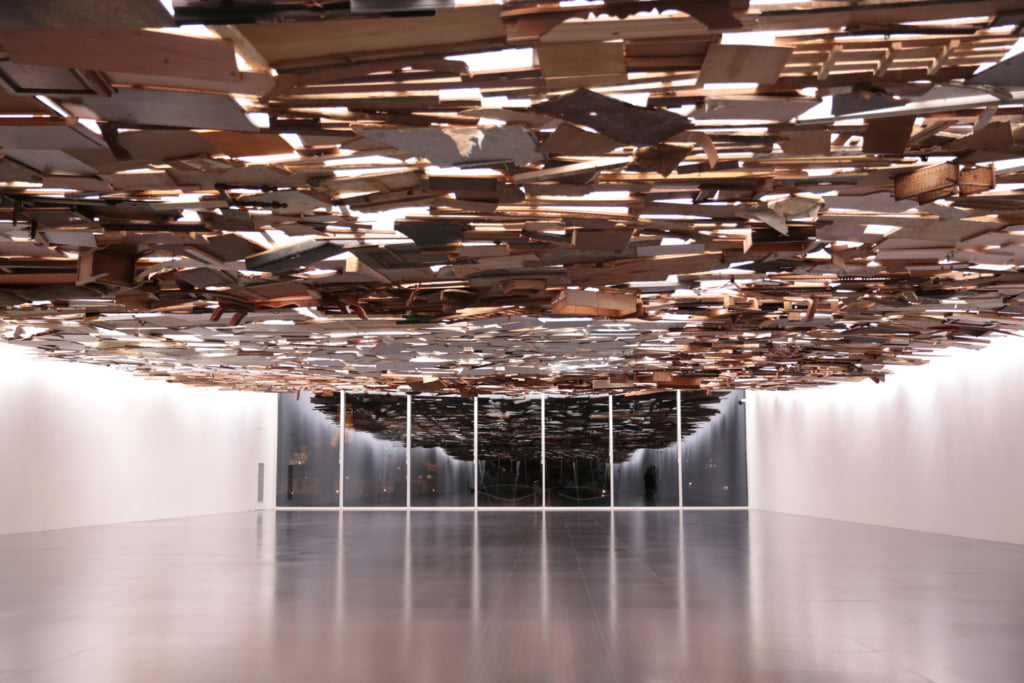
Tadashi Kawamata Under the Water Metz 2016 Installation in situ. Eléments de mobilier en bois récupérés. Vue d’exposition Tadashi Kawamata. Under the Water Metz, Centre Pompidou-Metz 2016 © Tadashi Kawamata © Centre Pompidou-Metz Photo Noémie Gotti
The work of Tadashi Kawamata is marked by its ephemeral nature. His monumental wooden creations both infiltrate and accompany buildings, but are easily dismounted and given a new artistic life.
Nothing is recurring, nothing is permanent states the artist. No material can survive for eternity, everything is temporary. It is just a question of time, even a building that lasts 1000 years is temporary. Nothing is resistant to the wear of time, not men, not walls.
Via: https://pen-online.com/arts/tadashi-kawamatas-monumental-wooden-artworks/?scrolled=1


While visiting the Yale University Art gallery (03/20/16) I came across a Yoruba door with four panels. The third panel showed four characters, a tortoise, a man, and a small antelope. I disagreed with the following description, “… a coiled snake seizes an antelope while a small kneeling figure strikes the snake with an axe, […]
The Tortoise and the Snake. — Collecting African Tribal Art


These crazy images were created by French artist Jean-Marc Cote, and a few others back in 1899, 1900, 1901, and 1910.
The point being.. Well, basically they were asked to imagine what life would be like in the year 2000. According to Collective-Evolution, these artworks were originally in the form of postcards or paper cards enclosed in cigarette and cigar boxes.
The images depict the world as it was imagined it would be like in the year 2000. Some of these unique illustrations are actually quite accurate vision of the current era today, including farming machines, robotic equipment, and flying machines. Now we haven’t started riding giant seahorses yet, although it does look like one hell of a good time.


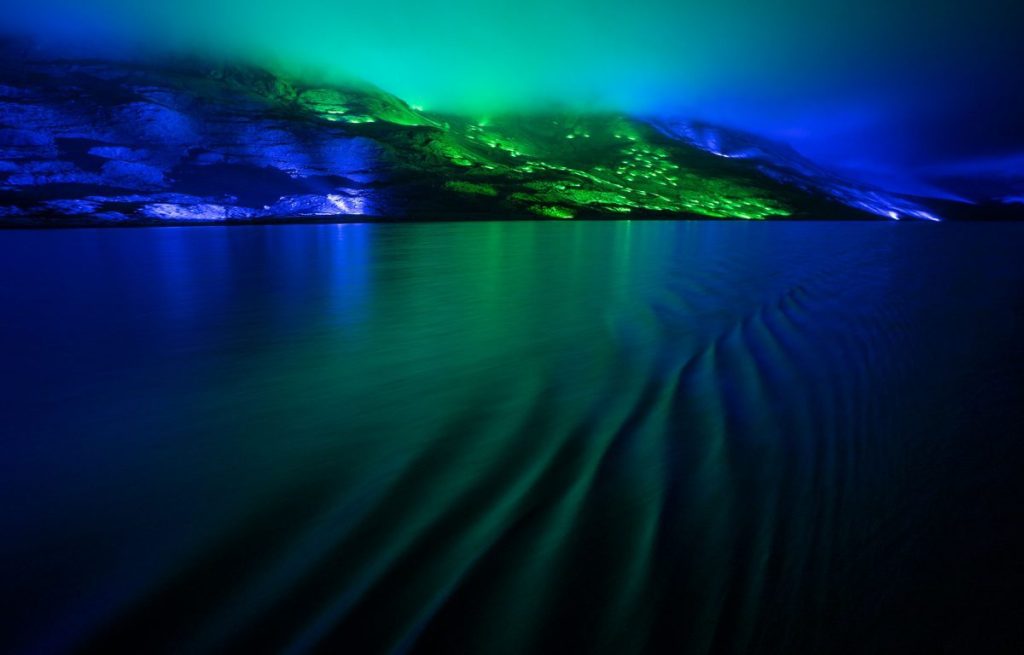
Savage Beauty, an online art experience created by Finnish light artist Kari Kola, has transformed Ireland’s Connemara mountains in a spectacular display of colour and light.
Kari Kola’s installation of 1,000 lights transforms a 5 kilometre-stretch of the mountain range in County Galway in a wash of vibrant pulsating colours, in what has been heralded by exhibition organisers, Galway 2020 European Capital of Culture, as “the largest site-specific light artwork ever created”.

The display was initially planned as a live exhibition for people to experience the light and colour show in the Connemara setting itself to coincide with St Patrick’s Day celebrations between 14-17 Match, however the live events were cancelled following government guidance on public gatherings due to Covid-19 virus.
Galway 2020 European Capital of Culture has now made the Savage Beauty artwork available as a special digital edition via their website.
Connemara National Park situated in the scenic west coast of Ireland spans for nearly 3,000 hectares. The park offers some majestic views which includes picturesque mountains, expanses of bog lands, heaths, grasslands and woodlands. Some of these mountains form part of the famous Twelve Bens group of small mountains that are the dominant feature of the Connemara countryside.

The light show, entitled Savage Beauty, takes its name from the Irish playwright and poet, Oscar Wilde, who described Connemara as a “savage beauty”.
Artist Kari Kola, who has directed over 2,000 projects in dramatic settings including Stonehenge in 2018, said: “Since I can’t paint, I paint with light. I’m also interested in light beyond its artistic value. Everything on the planet is based on light. I’m working with scientific projects and new, futuristic techniques. With abstract light, there are as many stories as there are viewers. If I can choose, I always work with nature because that’s the best art that we have.
“I am very disappointed that the public exhibition of this work had to be cancelled, but I hope that this digital edition will show how we played with scale in Connemara and created something that people would not expect.”
Image Credit: Christopher Lund
Rosa Medea is Life & Soul Magazine’s Chief. She writes about lifestyle including sustainable and green living. She also offers content services to businesses and individuals at Rosamedea.com

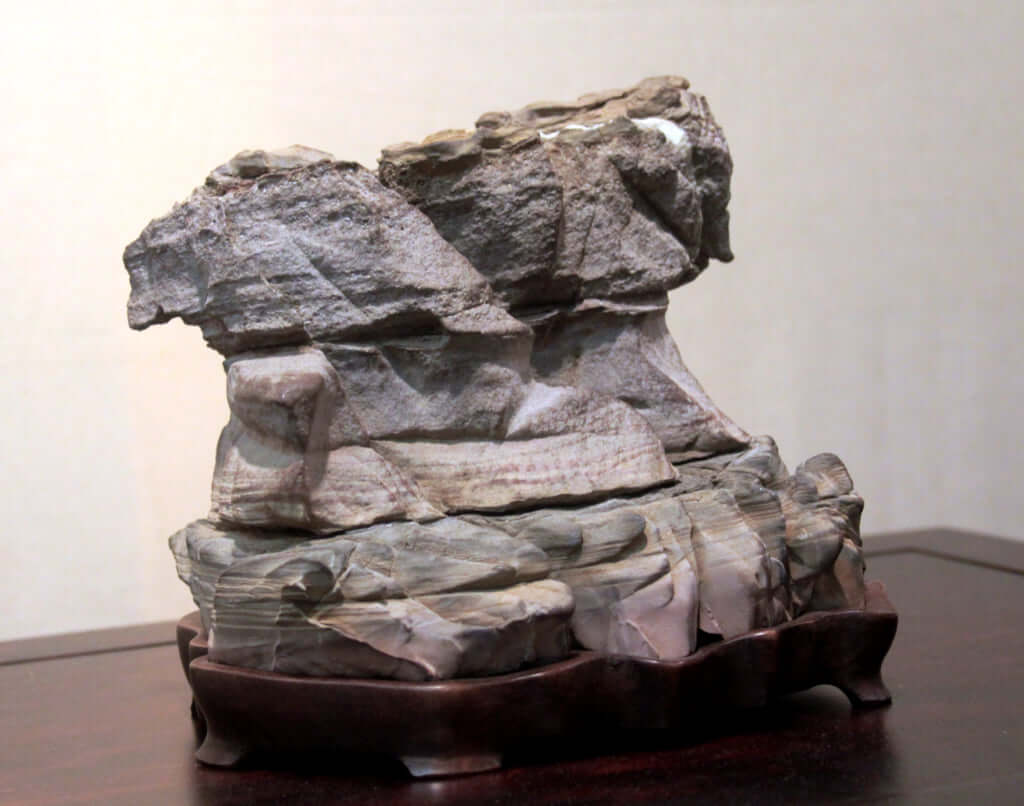
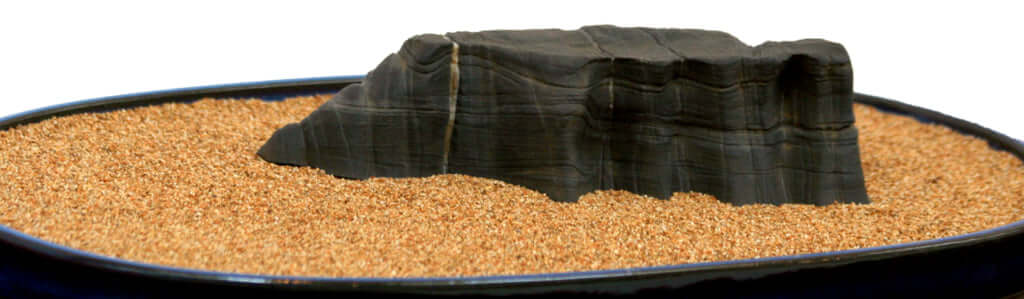
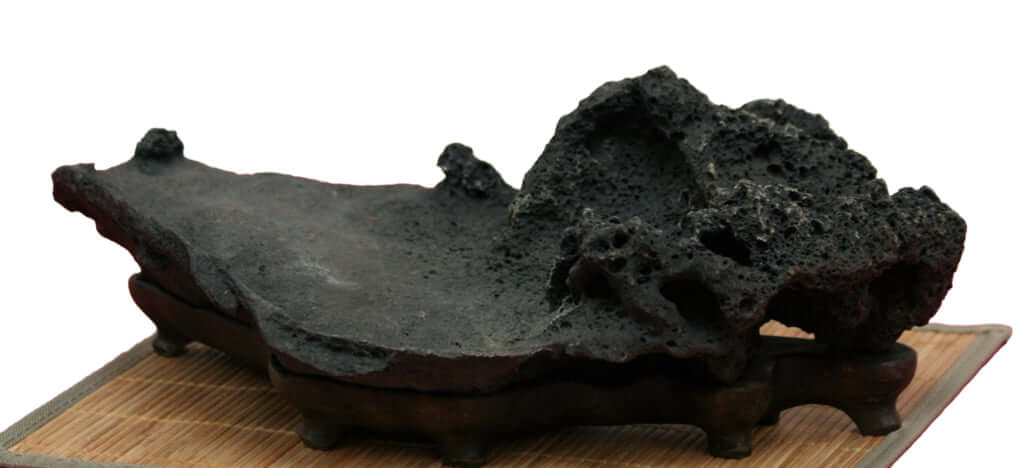
Suiseki, which literally translates as ‘water stone’, is an ancient Japanese art of admiring stones. An ode to time, patience and simplicity, suiseki involves showcasing the most remarkable stones found in nature and upon which water, erosion, wind and time have acted to sculpt abstract or, depending on the imagination more meaningful shapes, such as a mountain or animal. The beauty of a suiseki therefore lies in its ability to suggest an aspect of nature.
Originating from China, where it is known as gongshi, and Korea, where it is termed Suseok, the art of suiseki was introduced to Japan by the Chinese Imperial Court during the Asuka period (538 or 552-710 AD), and was only discovered in the western world during the first bonsai exhibitions, where the stones were also presented. Like the rigorous codes of bonsai, suiseki also has its own rules, linked to the quality of colours and the powers of suggestion and balance. Stones in multiple colours are the most appreciated, but placing them in light or shadow also allows a more precise aspect to be showcased, while also reflecting their harmonious balance and translating their original beauty. Enhanced naturally, the stone is simply placed on a wooden stand or, like in times past, presented in a bowl filled with a layer or water or sand. A wooden stand, or dai/daiza, is the most frequently used option, and is generally made from a type of refined wood such as rosewood, in order to support the stone and, more importantly, showcase it.
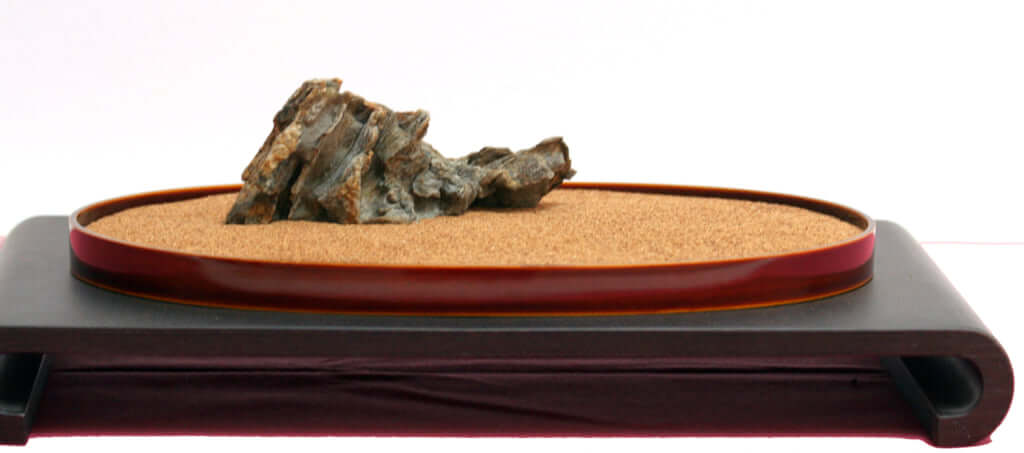
For real suiseki aficionados, the most difficult thing is to find the stone that provides complete satisfaction from the moment of its discovery. Once the rare pearl is unearthed, the whole stone becomes conducive to contemplation of and reflection on the place of humans in their environment. As Matsuura Arishige, global ambassador of the art of suiseki, explains so well, ‘a good suiseki has the power to represent to humans, in just a few centimetres, the whole of Earth and the cosmos’.
Via: https://pen-online.com/arts/suiseki-the-art-of-stone-appreciation/


SPIRITUAL FIRST AID KIT- A lifestyle kit. What you can do at home to raise the psi vibration of your home and continuously cleanse your space from negativity. Even though you are not meeting anyone or seeing anyone your inner negative and energy of everyone, social media can still affect you physically, emotionally, mentally, spiritually and psychically does not matter if you have people in your space or not. Keeping your home clean of this energy is a must.
Clear, protect, shield: if you don’t know how to do this message me and we can work out a minimal cost and customize your clearing, shielding, protecting for you, your home, work, kids, business, everything and everyone.
Meditate: if you don’t have a practice or want some guidance message me and we can work something out and teach you some simple ways to get you started or what you need to focus and how to feel your energy and up your game to get you, your body to a calm relaxed space.
Stretch, Quigong, Yoga, Tai Chi: There are online YouTube videos where you can do your yoga, tai chi whatever you do it’s all available online.
Mantras : listen and put on ‘Om Mani Padme Om”- you will find it on YouTube for 10 hours. Put it on continuously. It will clean all negative energies in your space.
Incense: Always have and continuously burn Sage, Dragons Blood, myrrh, patchouli, sandalwood, camphor in your home at all times.
Crystals: Have crystals in your home to protect and raise the psi vibration of your space.

Herbs, Essential Oils, Candles: Your herbs you use to make your food have magickal properties. Message me how to work with them magickally.
Color Therapy: Wear colors that lift your energy. Drink colored water. To know more message me.
Read, watch stories that are comic, light hearted. Excersice your imagination, visualize, affirm, think, speak good positivity words and thoughts from your heart. Practice being real, honest with yourself and others, speak your truth without fear.
Whatever you do do it from your heart always❤️or don’t do it.
Spiritual Resources: https://www.crystal-dawn.net; https://crystal-dawn.com; https://ravenhawksmagazine.net;
Queries: Nisha Desai at Contact@nishante.com

