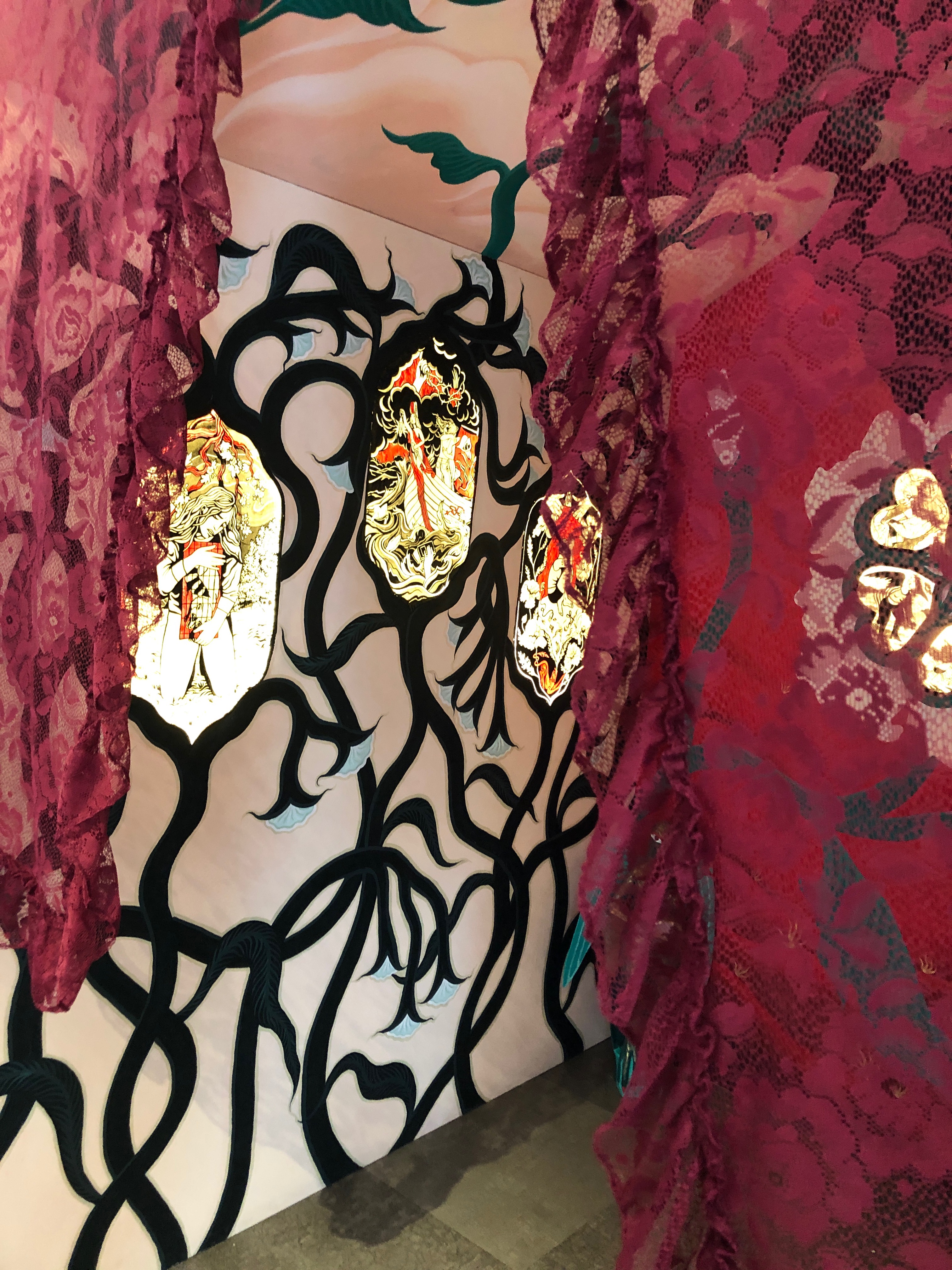
May the Magick of Yule fill your heart, home and family with celebrations of love, joy, peace and hope this holiday season. And we wish you all Merry Christmas and Happy Holidays🎄🎁- Nisha Desai
“The Winter Solstice or Yule It begins on “Mother Night” and ends twelve days later, on “Yule Night”, hence the “Twelve Days of Christmas” tradition. Yule is a time of the Goddess of the Cold Darkness and the birth of the Divine Child, the reborn Sun God. It is a time of renewal and rebirth during Winter, and the turning of the Earth force tides.The Winter Solstice had been associated with the birth of a “Divine King” long before the rise of Christianity. Yule is about renewal, re-birth, returning hope and life.”- Ravenhawks Magazine
If you’ve ever dreamt of spending a night surrounded by your favorite cartoons you’re in luck — the Cartoon Network Hotel is (almost) open for business.
The Cartoon Network Hotel, located in Lancaster Pennsylvania, right next to Dutch Wonderland, is now accepting bookings for its June 2020 opening. The resort is just as over-the-top as you might expect from the people that brought you the Powerpuff Girls, Adventure Time, Johnny Bravo, and more.
COURTESY OF CARTOON NETWORKCOURTESY OF CARTOON NETWORK
“From the moment you enter the lobby, you’ll realize this is unlike any place your family has stayed before,” the hotel explains on its site.”With our character-themed guest rooms and Dream Suites, it’s like having a sleepover…in a cartoon.
The hotel will feature 165 rooms, an indoor pool, an outdoor water park, a play area, a game room, a cafe where guests can dine with characters, a Cartoon Network store, and more.
“The Cartoon Network Hotel will be unlike any other property in the region,” Rolf Paegert, chief operating officer of Palace Entertainment said in a statement. “Cartoon Network characters and theming will bring the property to life and offer magical, interactive experiences around every turn. This hotel is going to set the standard for guest-focused, themed lodging immersion.”
COURTESY OF CARTOON NETWORK
Beyond the rooms, the Cartoon Network Hotel will also partner with Dutch Wonderland, the amusement park next door, where guests of the hotel receive special admission discounts to the park and its 35 family-friendly rides.
Though the hotel’s precise opening date isn’t set just yet, cartoon fans can start planning their late summer vacations to the park now. Standard rooms start at $289 a night and the hotel’s Dream Suites start at $489 a night.- BY STACEY LEASCA
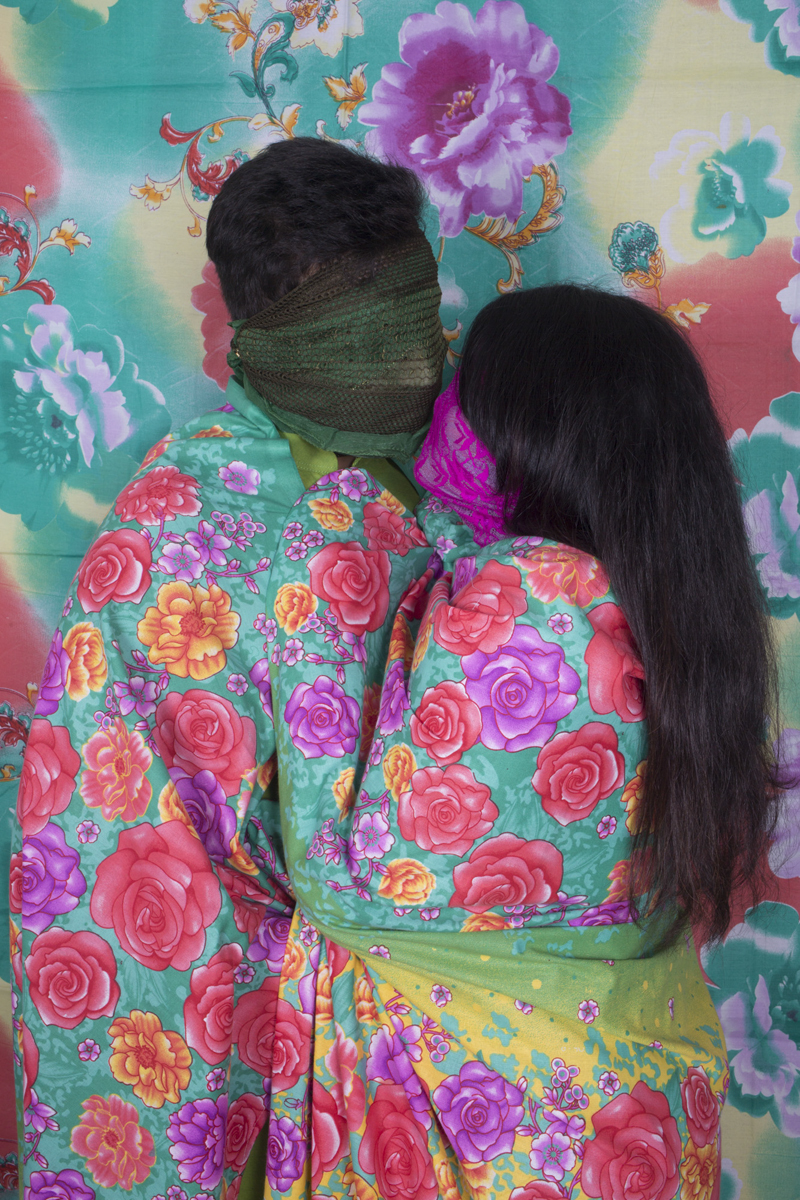
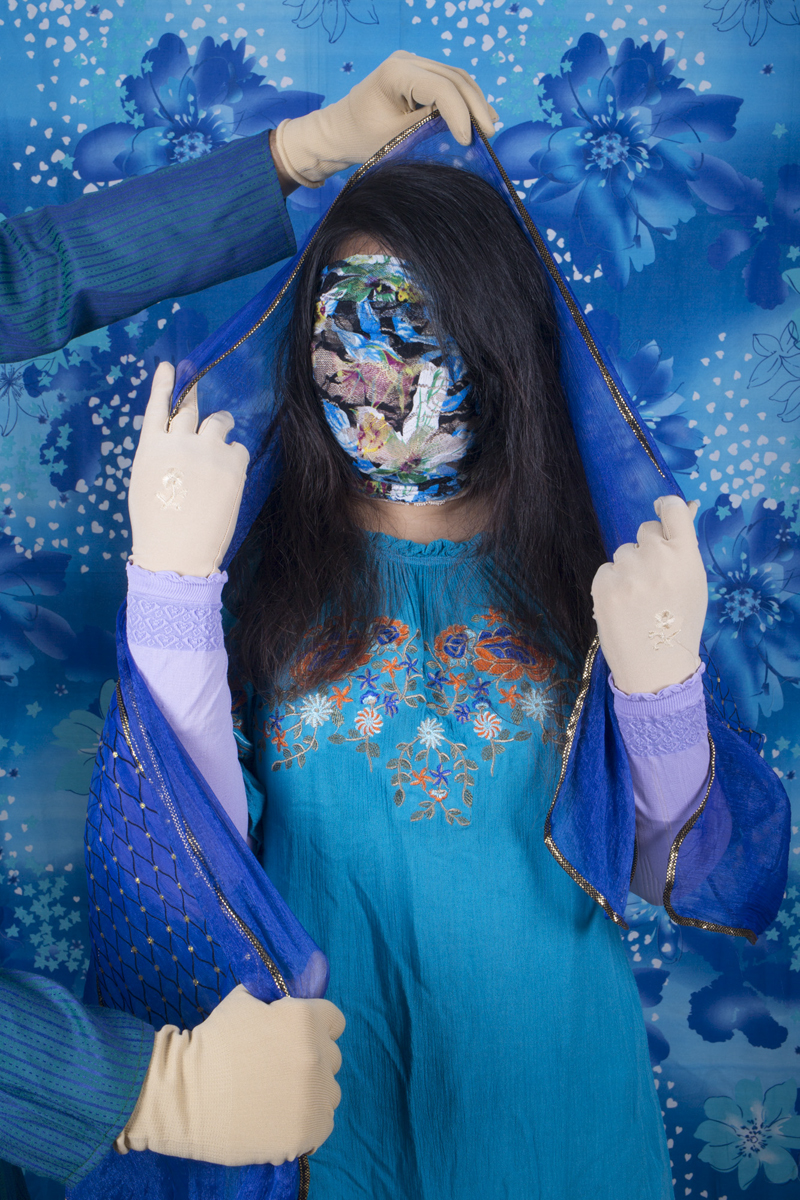
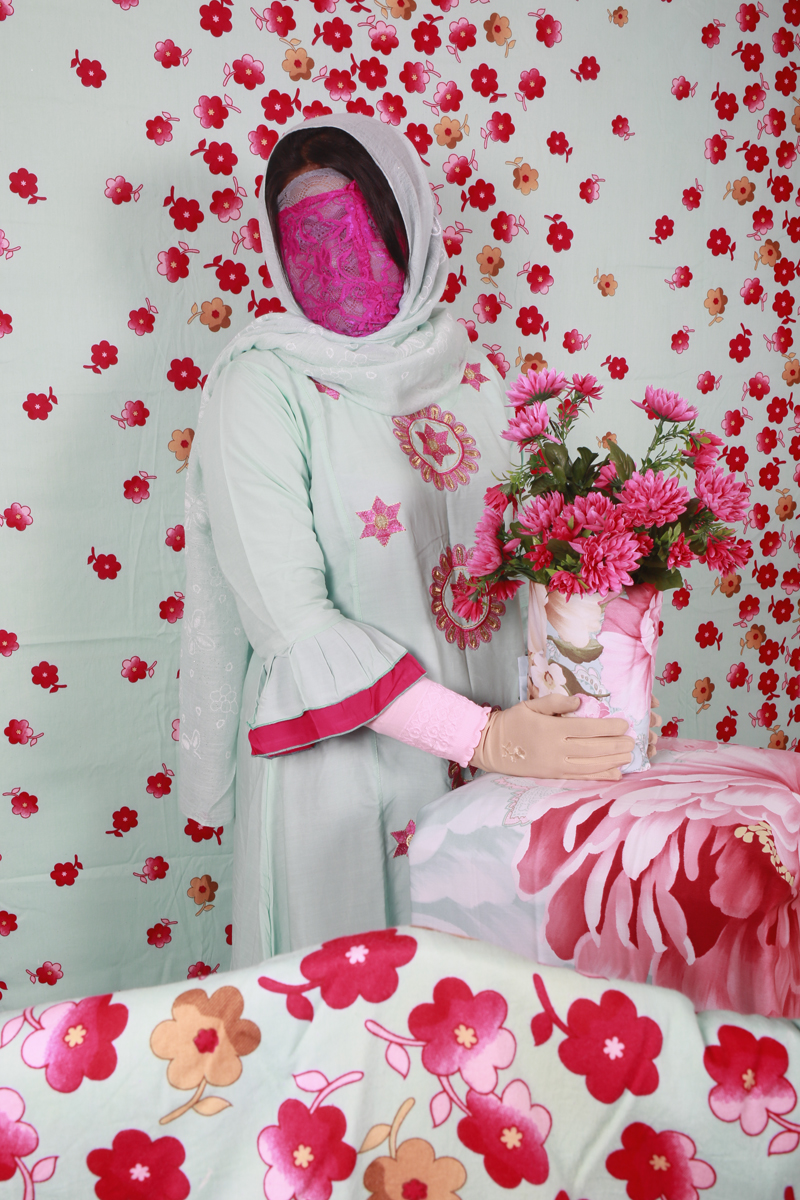
Habiba Nowrose from Dhaka, Bangladesh photographs from the lens of women’s rights. Her portraits are rich with motifs that signify personality, from bright flowers to colorful garments. But the most identifying aspect of the Nowrose’s subjects are missing — her models’ faces are covered with fabric, leaving only an outline of a figure behind. Her series “Concealed” reflects on women’s personal sacrifices to meet societal expectations. This assimilation leaves the faceless subject anonymous to themselves, and their viewers.
We Roast, Baste and Bake. Gesturing Love and Friendship. Feast of Togetherness and Gratitude. Wishing you and family a peaceful Magickal Thanksgiving. Blessed Be – Nisha Desai, Nisha Designs.
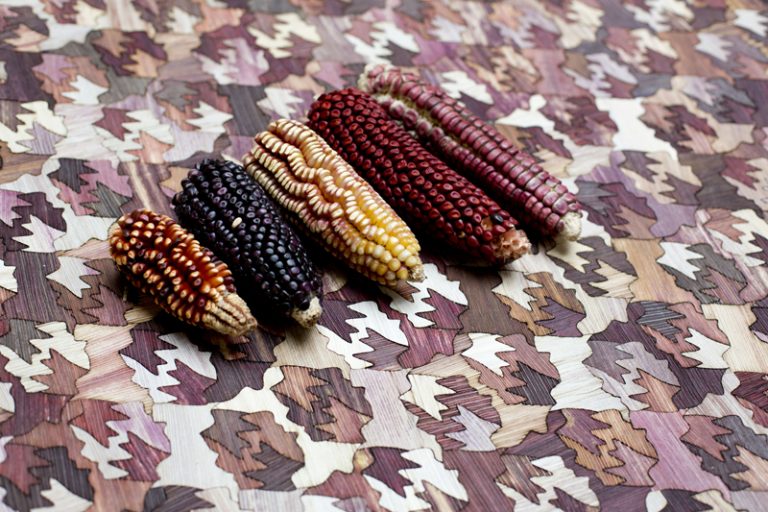
Mexican designer Fernando Laposse has created a new veneer material made with husks of heirloom Mexican corn, in an effort to help preserve ancestral varieties of corn.
Known as Totomoxtle, the material is made from colorful husks of the traditional corn varieities grown in Mexico, which are naturally colourful.
Totomoxtle is used to make furniture such as lamps, vases and decorative wall panels. The parts – corn husk residues – that can not be used in the production of the veneer material is then composted to re-fertilise the soils in which the maize grows.
Totomoxtle focuses on regenerating traditional agricultural practices in Mexico, and creating a new craft that generates income for impoverished farmers and promotes the preservation of biodiversity for future food security.
The number of native varieties of Mexican corn is currently in decline, due to international trade agreements, aggressive use of herbicides and pesticides, and the influx of highly modified foreign seeds with its standardised features, such as bright yellow corn. Additionally, the majority of the corn harvested worldwide is used to feed cattle or transformed into secondary products that range from sweeteners for processed foods to bioplastics, therefore nutritional quality is not a priority.
Product and material designer Fernando Laposse has teamed up with the indigenous community of Tonahuixtla, a small village of Mixtec farmers and herders in the state of Puebla. The arrival of industrial agriculture to the area and the lack of employment opportunities have seen mass migration, the erosion of the land and the loss of native seeds in recent times.
Since 2016 and with the support of CIMMYT, the world’s largest corn seed bank, the farmers and herders have been slowly reintroducing native seeds in the village and returning to traditional agriculture. The husks collected from the harvest are now transformed by a group of local women into the veneer material, Totomoxtle, thus creating much needed local employment.
Fernando Laposse says: “At the moment the only hope for saving the heirloom species of maize lies with the indigenous people. They continue to plant them out of tradition rather than financial gain.
“[They are aiming to highlight] the importance of preserving the ancestral corn seeds, not only because of their nutritional properties, but because they might hold the solutions for the climate challenges that lie ahead as many of these varieties have been bred for centuries in incredibly hot and dry conditions.”
Rosa Medea is Life & Soul Magazine’s Chief. She writes about lifestyles including sustainable and green living. She also offers content services to businesses and individuals at Rosamedea.com
White triangles dance across a black backdrop, striped squares march over a shower threshold, and Escheresque cubes bring optical allure to kitchen floors. Black and white always make for a dashing combination, and the pair’s sudden graphic appearance in tile is anything but subtle. Black-and-white tile made a big splash at the recent Cersaie design show in Italy and is now wending its way across kitchens and baths everywhere.
The Current Classic
“The way we’re using it now is mod and contemporary, but it also has historical leanings,” says designer Rande Leaman, whose eponymous firm is in the Los Angeles area. “There was a lot of black-and-white tile in the 1920s and 1930s. It’s a trend that’s come back.” Designer Erica Nicole Illions of Kitchen Design Concepts in Dallas agrees: “The look is a little glam, a little Art Deco.”
Palette Pleaser: Black-and-white tile’s lack of color lets it slot right into present styles. “It has so much punch and energy to it, but it still lives in a neutral world,” Leaman says. She adds warmth with wood cabinetry or matte brass accents. Architect Ann Sellars Lathrop of her namesake firm in Westport, Connecticut, keeps a small bathroom simple, complementing the tile with sparkly white performance fabric on the wall and black stone on the floor.Making Shapes sing: “I like to use black-and-white tile as the wow factor,” Illions says. She adds details like small hexagonal tiles on a shower floor to subtly extend accent tile elsewhere in the room. Lathrop similarly pulls the tile through the overall design. For the bathroom seen above, she chose “a thin vertical mirror to stay with the vertical expression of the tile,” she says. “The wide single sink was separated from the black cabinet base so more of the wall tile could be seen.”Pattern Play : Leaman tailors the design to the client’s personality. “If someone’s shy with black and white, I’ll go a little softer with pattern,” she says. “If they’re adventurous, I’ll grab old graphic designs that can still be considered classics.” Illions draws inspiration from the home’s aesthetic. “For a traditional house, I’ll look for tile with curves, maybe even a floral design,” she says. “If it’s a modern home, I’ll do something less intricate.” Details Make a Difference: Think about what will go on the tile, Lathrop says. “Make sure no outlets, switches, grilles or other elements interfere with the pattern.” She often omits towel bars, hooks and wall-mounted faucets on tiled surfaces. Illions considers scale too. “If the pattern is too large for the space, you get partial pieces due to cutting,” she says. “For example, in a 12-by-12-inch shower wall niche, I would use a 2-by-2-inch mosaic.”
Communication is the Key: “For a lot of tile installers, this kind of tile ventures into new territory; it’s not just laying subway in a staggered pattern,” Leaman says. “It’s like putting a puzzle together. As designers, it’s up to us to convey that to them, with drawings and job site visits.” Lathrop adds, “Decide clearly where to start the pattern and take it through on paper so there are no surprises at corners, edges or endpoints when the final install occurs.”
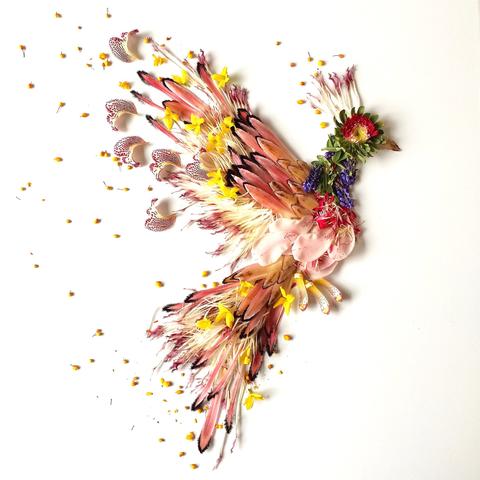
The Pacific North West with its wildflower woodlands, mossy waterfalls, and grey sand provides botanical artist, Bridget Beth Collins with her natural art materials – everything from wildflowers, leaves, mosses, and seeds.
Otherwise known as Flora Forager, the Seattle-based artist creates delightful foraged artworks of nature, wildlife, actresses including Audrey Hepburn, famous characters like Harry Potter, and magickal beings including a dragon and a unicorn from her foraged finds.
With a strong attention to detail florally, as it were, Bridget Beth Collins gives the gift of nature with the very gifts it provides her while out foraging. She says: “I forage almost all of my creations from foliage and flowers plucked from our sidewalks, meadows, and woods in our neighborhood. I have a small garden in the city, and my mother has a big rambling secret garden filled with old english roses in the sea town of Edmonds where I grew up.”
“Flora Forager is a product of my love affair with glittering nature, and my own artistic skills honed over the years. Creation and Creator combined,” the artist adds.
If you are looking for a Christmas gift to give the nature lover(s) in your life, check out Flora Forager’s books.
Rosa Medea is Life & Soul Magazine’s Chief. She writes about lifestyles including sustainable and green living. She also offers content services to businesses and individuals at Rosamedea.com
The Triumph of imagination and individuality. These beautiful artist of boulder, colorado have created amazing art to inspire dialogue and model pathways toward a more empowered, positive culture though art.
Street Wise is an art experience driven by social activism. Art as activism or Artivism is a way to heal and restore our sense of personal power as well as create positive change. “Street Wise” hopes to encourage conversations about important issues that affect our culture, using art as a catalyst. Street art has a rich history in activism and social commentary and it is constantly evolving alongside society- Canyon Gallery, Boulder
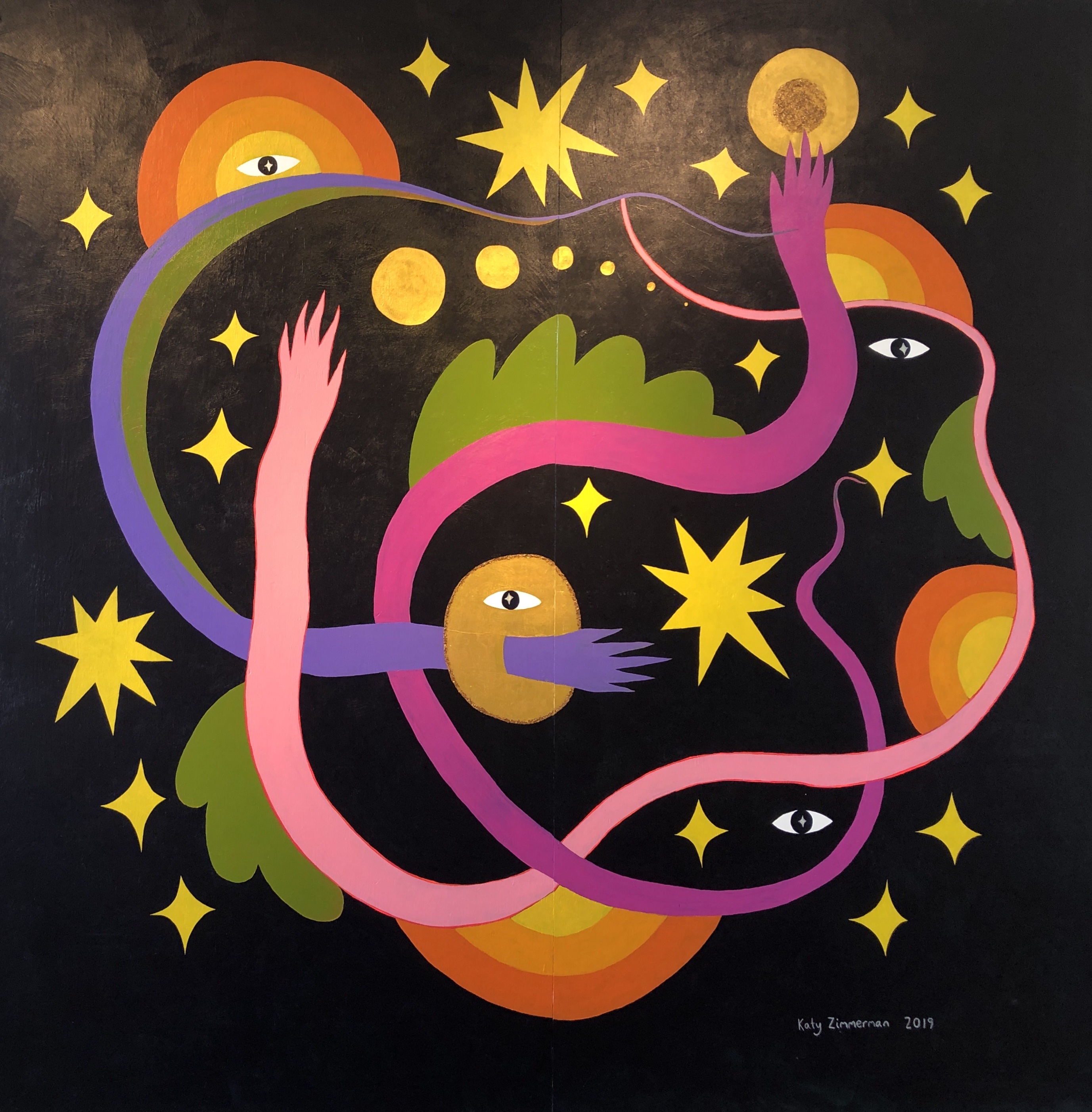
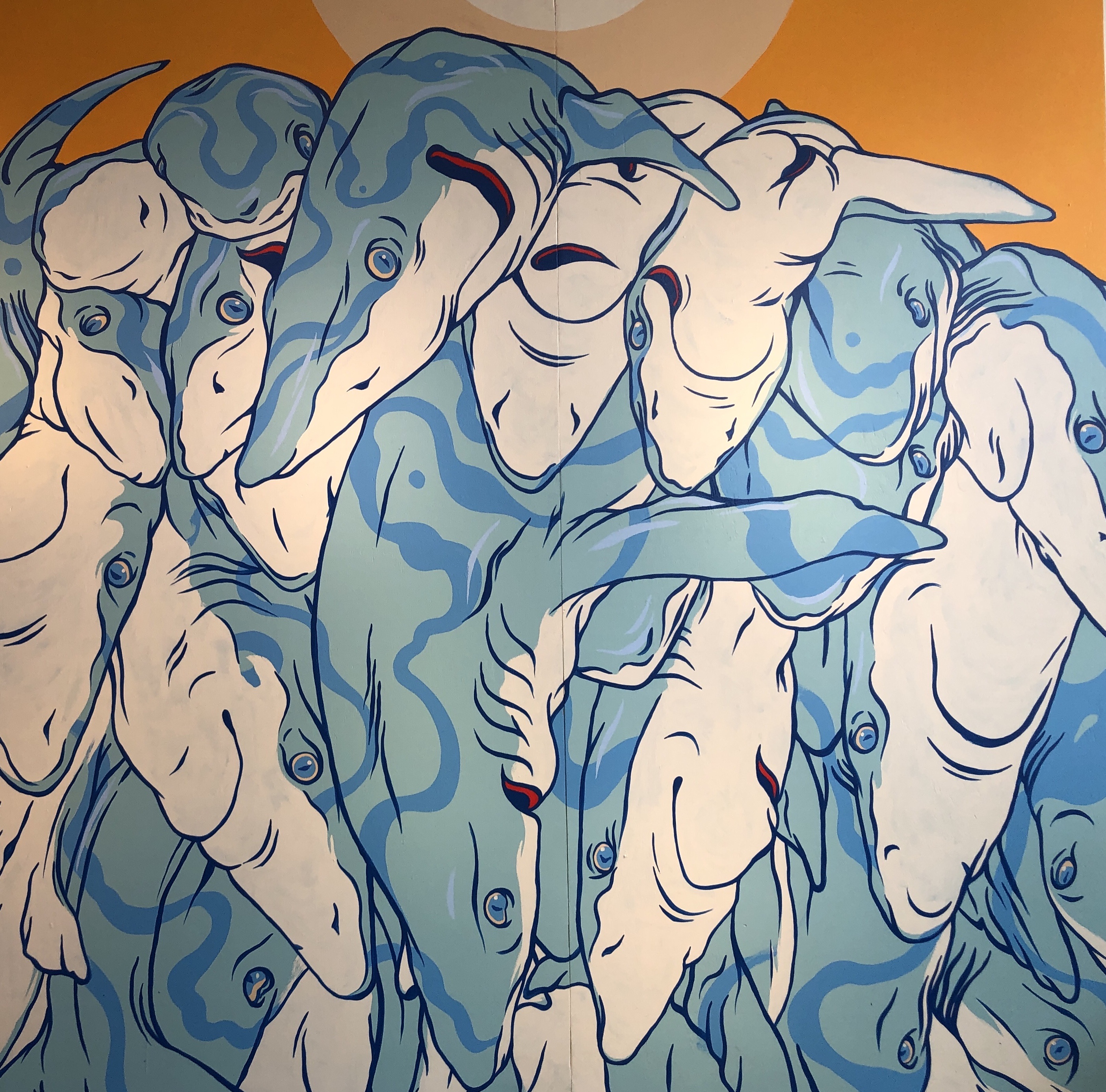
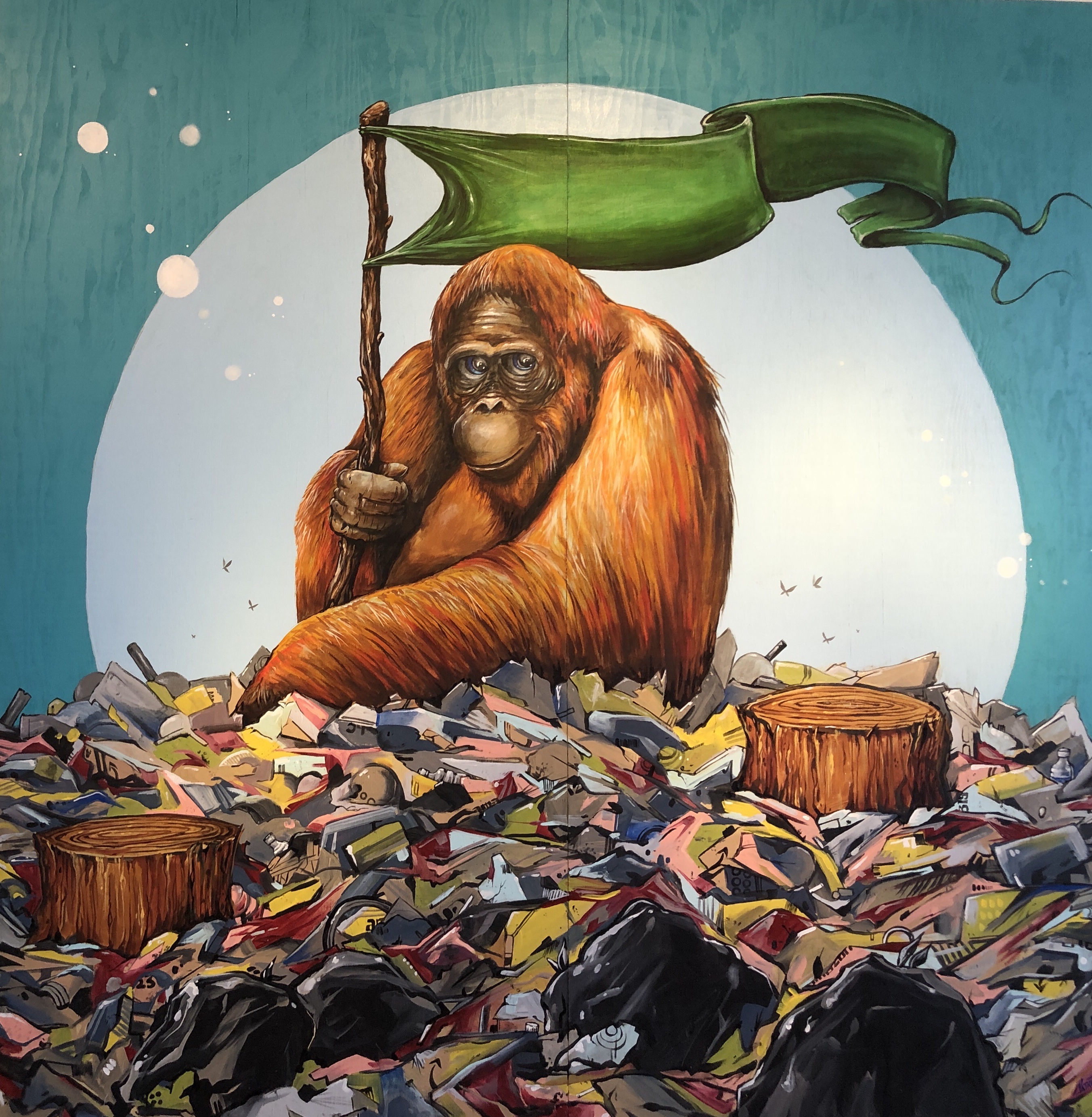
Katy Zimmerman- Transmutation. You are vast and full of identities not yet explored. you will ultimately grow and change to fill them. You are scared, you are powerful. Lindee Zimmer- Don’t Ignore This Crisis. We have one earth and we must respect it.This is not a drill this is an emergency. This change nature is experiencing is a direct result of humans. How will you act in a crisis?Jessica Moon Bernstein-SchianoMax Michael Coleman- Tipping Point/ Stacked- These Blue Sharks portrayed, like almost all other deep water shark species are harvested in mass. It is estimated that 100,000,000 sharks are killed annually for either soup or the cosmetic and pet food industry. It is a travesty of a monumental scale imposed upon our oceans by humans. However, just as it has been imposed, it can be remedied. We are at a tipping point with our oceans, just as these beautiful noble creatures you see before you are tipping, spilling, and leaving Earth. It is our duty to spread awareness and pass judgement on this ignorance and correct it. You the public reading it, it is in your hands. I have given you my painting, I have you my sentiment, my words, my time. Now i ask you to lend me your hand. Patrick Maxcy. Survival- “This piece was inspired by decline in suitable orangutan habitat, which has landed the animal on the critically endangered list. Deforestation, brought on by legal and illegal to make way for oil palm plantation and other agricultural plantations, is a threat to their survival. In this pieces, pollution has replaced the forest floor. But the Orangutan sits wisely atop the trash pile ready to claim back his home.”Johnny Draco. Wedge In Flight. This piece explores inclusivity through the lens of race seen by the eyes of modern day society. Jessica Moon Bernstein-Schiano- The lack of sea ice was making it more difficult to get around. Niamh Rita- The Chapel Of Femme. The Chapel of Femme is a place of reflection. Inside, you will see imagery that narrates some aspects of the queer femme experience. You need not be queer, femme, or a (non) believer os any specific faith to enter this space. All you are asked is to carry with you a spirit of respect and curiosity while you are within the walls of the chapel.
A beautiful collection of decorative patterns of geometrics in jacquard weaves, textural qualities, batiste, plains, voiles and embroideries. Offered in sophisticated color palettes of neutrals, grays and easy living colors for today. Our sheers have a beautiful linen look and style. These patterns pass NFPA 701 and CAL 117 with great affordable price points for the contract market and a large ‘in stock’ inventory for immediate delivery.
We can sell you either fabric only or manufacture finished bedding and window covering products for Hotels, Cruise Lines, Hospitals.
Furniture collection: Our furnishing fabrics are created from all natural fibers without any synthetic yarns, harmful dyes or finishes. Slight variations in weave, texture, and color are inherent to the unique character and charm of hand-loomed goods.
For samples, memo cards, price and stock information please contact Nisha Desai: nisha@nishadesigns.com
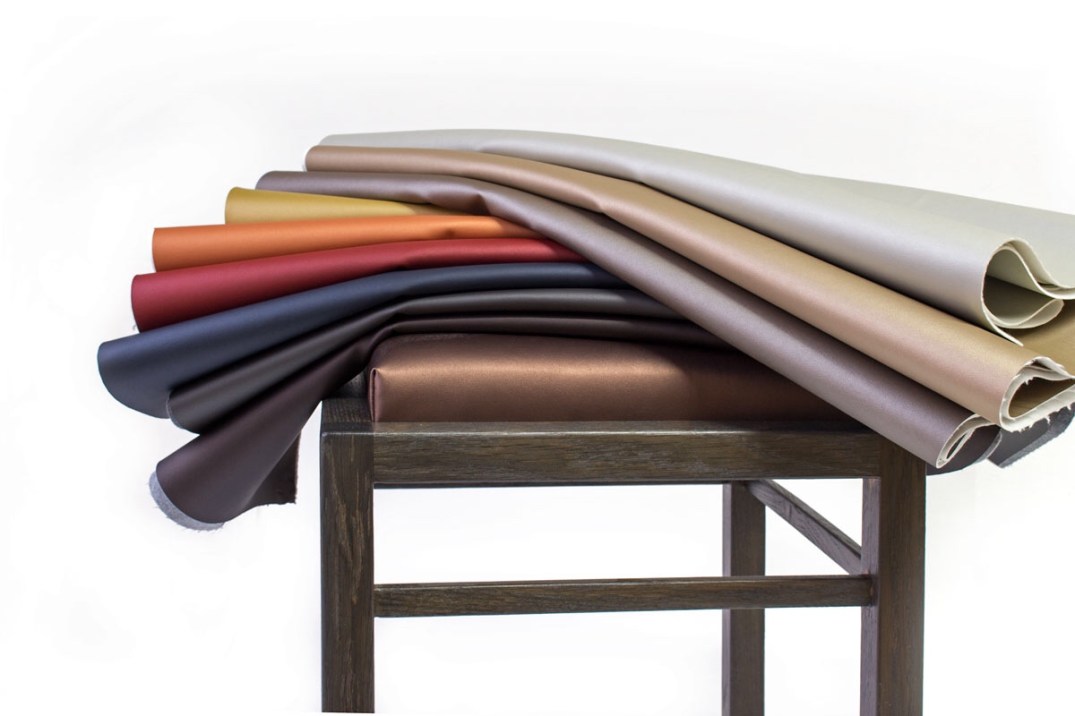
High-System PU (Polyuretan) Modern artificial leathers are coated with polyurethane (PU) instead of PVC, as PU is much more environmentally friendly in production, use and disposal. Conventional PU, however, has the disadvantage that moisture and bacteria can penetrate through the openness of the pores and thus permanently damage the PU. A new manufacturing process enables PU artificial leather to be produced with closed pores, so that there are no fractures in the surface – it is much more durable and hard-wearing. Our artificial leathers SOLO, KANO, JAGO, ENA and ROMY have been produced with this special PU manufacturing process, called High System PU.
Our modern faux leathers are also particularly soft and insensitive to soiling. They are quick and easy to clean. With over 300,000 rubbing cycles, our faux leathers are durable and robust. Due to their permanent bi-elasticity, the materials can be easily upholstered according to all processes customary in the upholstery industry. The advantages of High System PU faux leather are:
free of phthalate
high and permanent elongation
particularly hard-wearing
easy care
insulating against cold
breathable
PU is recyclable
FAUX LEATHER
Romy has a beautifully grained, matt surface that can hardly be distinguished haptically from genuine leather. The leather look is supported by warm natural shades.
Ena, on the other hand, is modern and bold with its smooth, metallic surface and strong accentuated colours. In addition to the classic metallic tones such as gold, copper and silver, strong tones such as orange and red stand out.
Jago has a natural leather apperance; its slight vintage look makes it extremely suitable for the furnishing of a modern hotel. It is ideal for headboards, bed surrounds and seating furniture of all kind. The authenticity of the faux leather is underlined by the colour range which concentrates on natural and grey tones.
Kano is a faux leather with a fine graphically embossed structure and a modern metallic sheen. The colour range comprises metal tones such as steel, titanium, silver and bronze as well as black and white.
Solo has a large colour palette with strong colours paired with natural leather tones. Solo is particularly beautiful in combination with upholstery fabrics from the DELIGARD series.
COLOURLINE
Colourline is an imitation leather made of PVC which is extremely durable. It stands out due its good resistance to weather influence, UV light, water, heat, cold and chemicals. 70 colours offer extensive design possibilities.
Sustainable cabins in secret locations, otherwise known as Slow Cabins, are popping up outside the city of Belgium in a bid to help people connect with nature.
Each cabin, built using eco-friendly materials with wooden interiors, is off-grid and self-sufficient through the use of solar panels, a filtered rainwater system and ecological dry-toilet. There are cabins of two kinds to suit individuals, couples and families.
The nature-based locations of the Slow Cabins are only revealed to guests after they’ve booked a cabin. Slow Cabins are mobile and frequently rotate locations, making for new sights and experiences for those looking to book a second trip.
The interiors of the Slow Cabins are natural and minimalist with its raw-look wooden floors and walls, and wooden furniture. Insulated glass windows frame views of surrounding fields and woodland, and there’s a wood-burning stove to cosy up in front of – and a small deck. The double beds consist of eco-textiles layered on a natural latex mattress, with large windows for gazing out into the surroundings.
The insulated cabins are kept toasty in the winter with wood-burning stoves, while the kitchen contains a pair of cooking plates alongside a sink, small fridge and a food preparation area. In the bathroom you’ll find a shower, wash basin and eco-friendly dry toilet. A fireplace and ceramic BBQ offer warmth and cooking options outside.
A stay also comes with a basket of locally-sourced produce and spring water.
The Slow Cabins experience is as much about making guests aware of their environmental impact. Slow Cabins say: “Each of our cabins comes equipped with a smart display that shares your energy and water use with you. By actively seeing your energy usage throughout your stay you become aware of your impact on the environment and what a positive and ecological footprint might look like.”
The Time For Two couple’s retreat costs from €175 per night, while the Time For Family cabin, which sleeps 3-5 people, costs from €185 per night.
Slow Cabins is expanding its off-the-grid concept across Europe and looking for partners.
Rosa Medea is Life & Soul Magazine’s Chief. She writes about lifestyles including sustainable and green living. She also offers content services to businesses and individuals at Rosamedea.com