Artist Derick Fabian creates character designs inspired by graffiti art, anime, and Sanrio such as Hello Kitty. Everything from “simple and cute to the more detailed and cool style”, the Hawai’i-based artist is not afraid to follow through on what he is intuitively guided. The 7Sketches founder says: “I illustrate characters. From simple and cute […]
A selection of stunning pictures of the water lily harvest in Vietnam, captured by Pham Huy Trung, a talented Vietnamese photographer based in Ho Chi Minh City.
Source: CEO-founder of Visualflood. A Brazilian fine art photographer, among other things, who loves visual arts, nature, science, and innovative technologies. You can follow him on Facebook and Instagram.
This new outstanding dance creation by Red Sky, a Toronto based contemporary dance and theater company, brings together the Indigenous cultures of Canada, Mongolia and China and is heavily grounded in the theme of horse culture. Sandra Laronde, artistic director of Red Sky, explains the creative process behind Tono, an innovative three-country project involving eleven dancers and musicians.
Dance has always played a vital role in Aboriginal cultures. It is a connection to the spirit, to the land, and a deep expression to our gratitude. In the Indigenous worldview, the horse is revered and respected. When one thinks about the horse at war, at play or as a helper of humankind, we realize the horse has made a considerable contribution to civilizations around the world.
Born from something natural and evolves into something astonishing.
This project was born in April 2016 and consists of a specially designed electronic circuit that manages to extend the transfer of ions from a saline medium to convert them into useful and immediate energy. The electrodes of the salt bridge make it possible to drain energy from the salt water, (a known process), but with the electronic circuit with which it is possible to extract around 500 watts for each liter of water. The prototypes that we have developed are portable equipment weighing around 2 kilos. These teams can be scaled up to industrial production quickly. The Waterlight project can be scaled up vertically and horizontally in many ways.
As goals for the immediate future, to connect several units to a central base and in this way produce and extract greater amounts of energy.
A second goal is to be able to make plants on the shore of beaches to produce energy in significant quantities, continuously and for immediate use or to store in accumulators. The effluents from this process provide additional value by becoming fertilizers or drinking water, the energy of which for the desalination process comes from the same equipment.
Salt water is abundant and covers 73% of the earth’s surface. We can immediately extract 2 kilowatts from a cubic meter of salt water. We can extend this extraction for 10 continuous days, but ideally it should be a 24-hour process to change the saline medium and then reload it. In the development of small units, the Waterlight project provides an immediate solution that can directly benefit communities that lack lighting and a small electrical source; It can supply light and it can also be the electrical source where they can charge a cell phone or listen to a radio. The Waterlight for individual use also has applications in the field of recreation (camping), navigation (at all levels) and education (turning on a computer or a television). The project has a PCT Patent pending.
ANCESTRAL CONNECTION
The design is inspired by the Colombian Wayúu community and their ancestral connection with the sea.
RECYCLABLE
Assembled with 100% recyclable materials.
TRADITION
Strap knitted with kanas figures, millenary Wayúu handicrafts
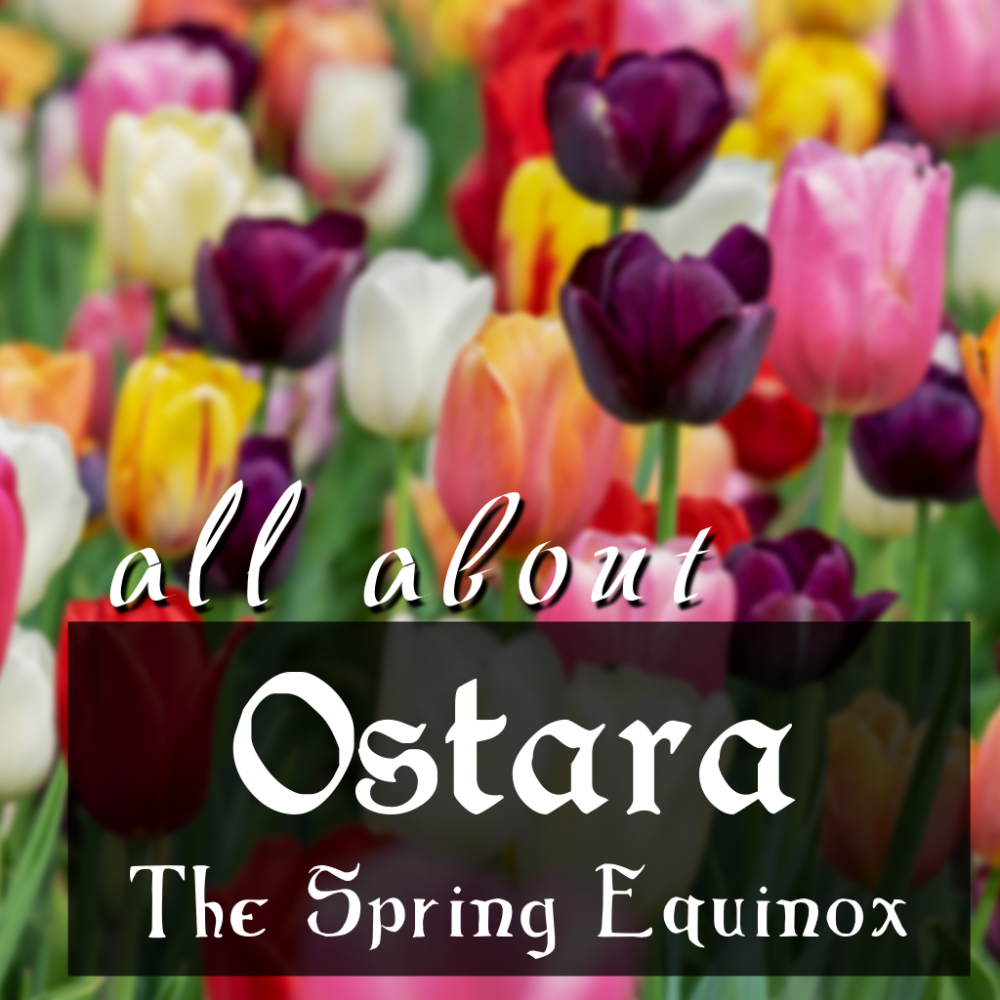
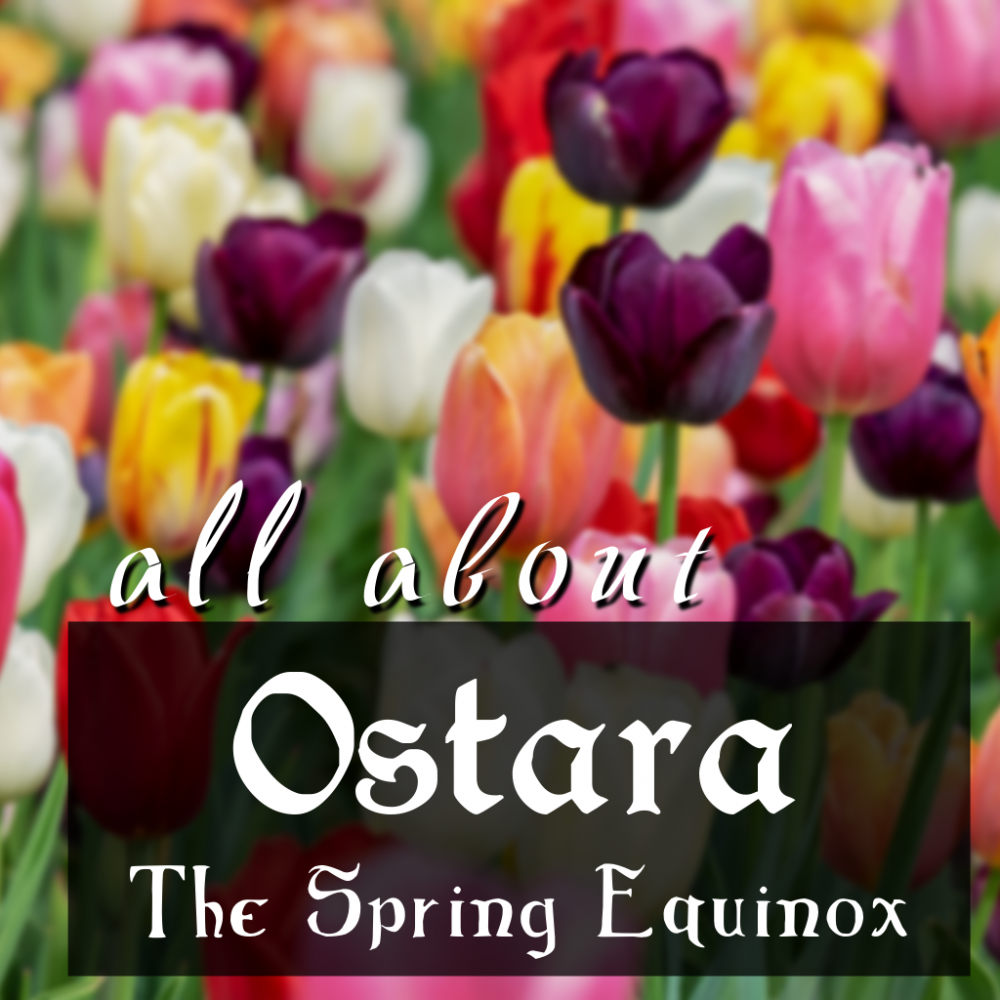
Spring Equinox Celebrations in the past For early Pagans in the Germanic countries, this was a time to celebrate planting and the new crop season. Typically, the Celtic peoples did not celebrate Ostara as a holiday, although they were in tune with the changing of the seasons. Persian kings known as the Achaemenians celebrated the […]
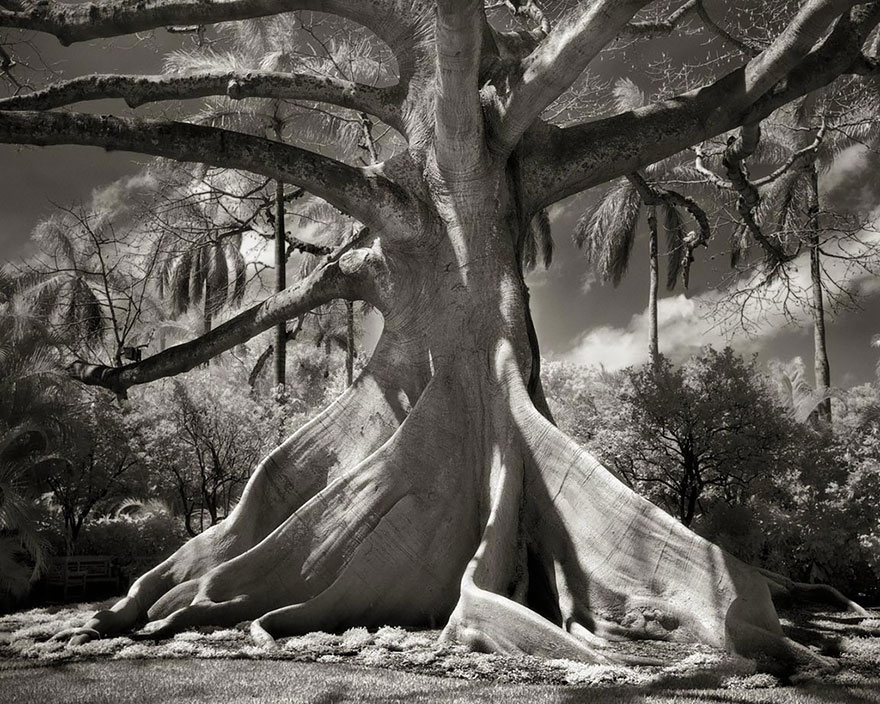
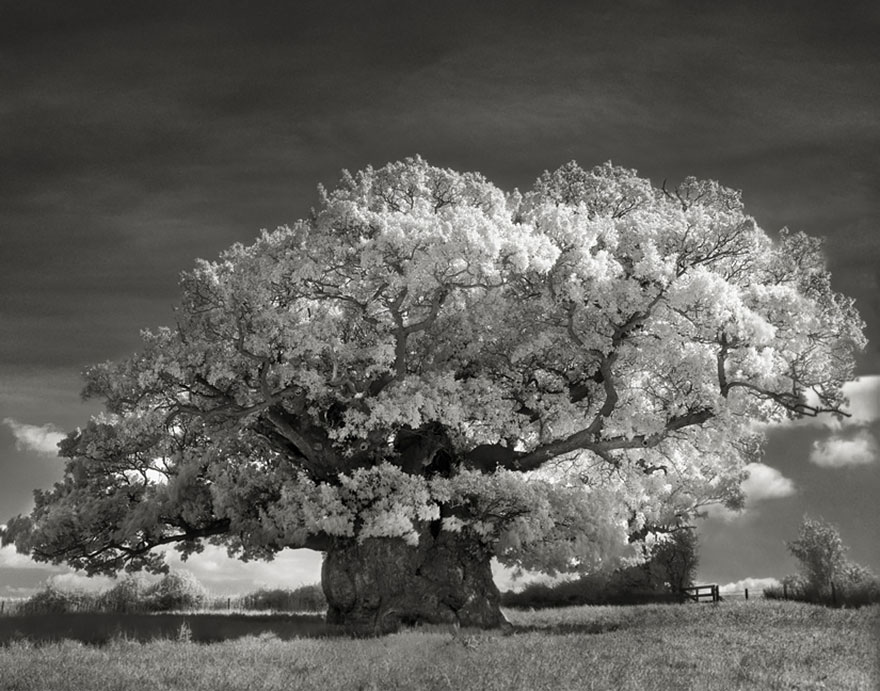
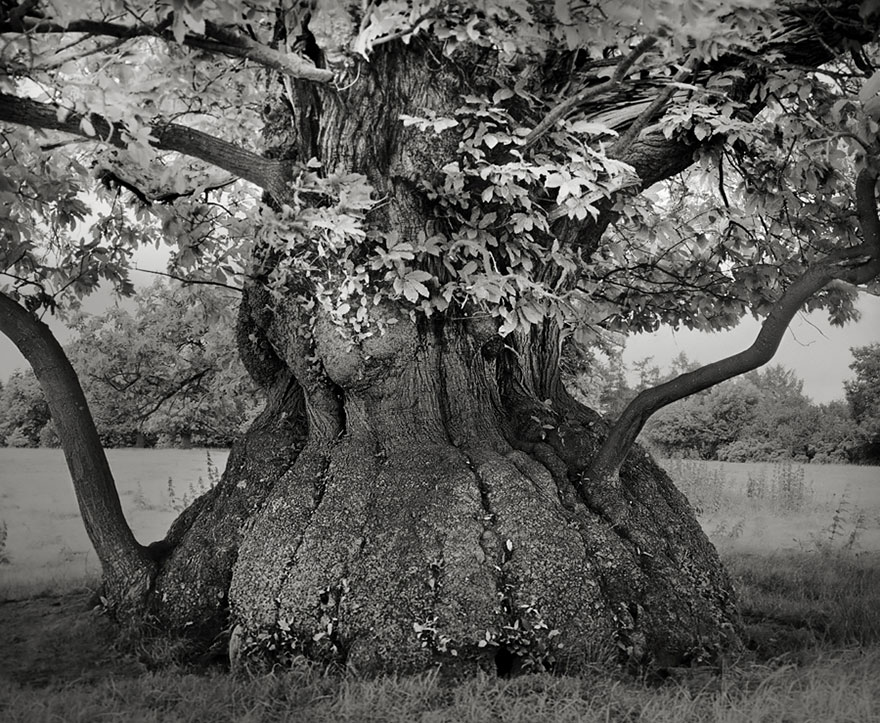
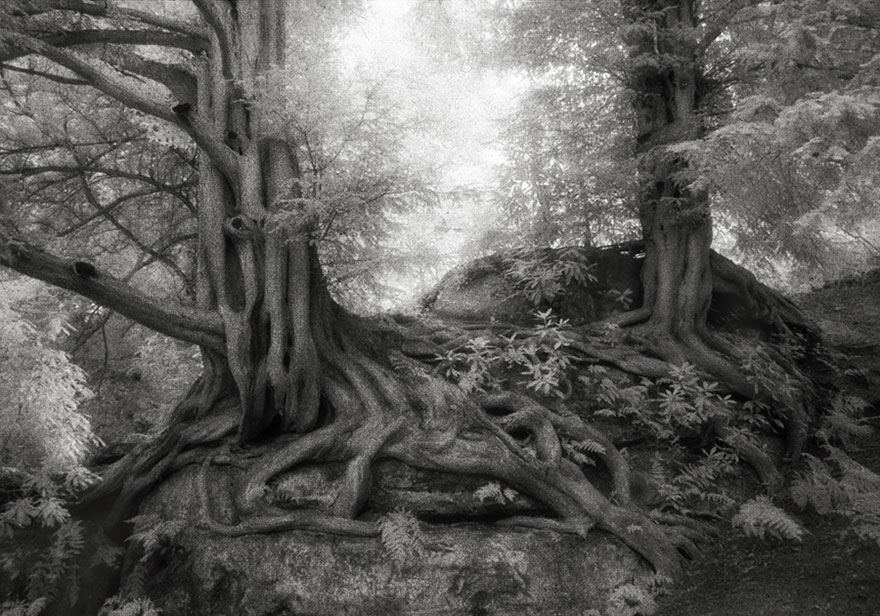
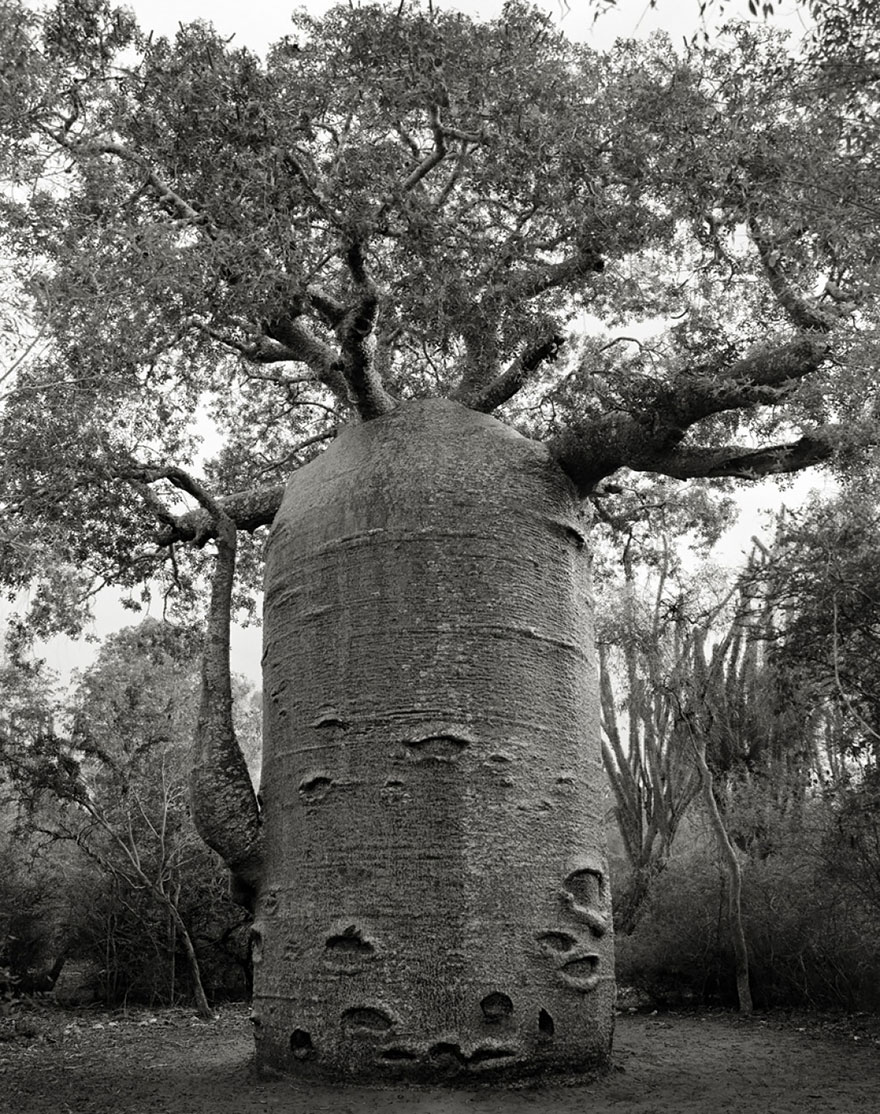
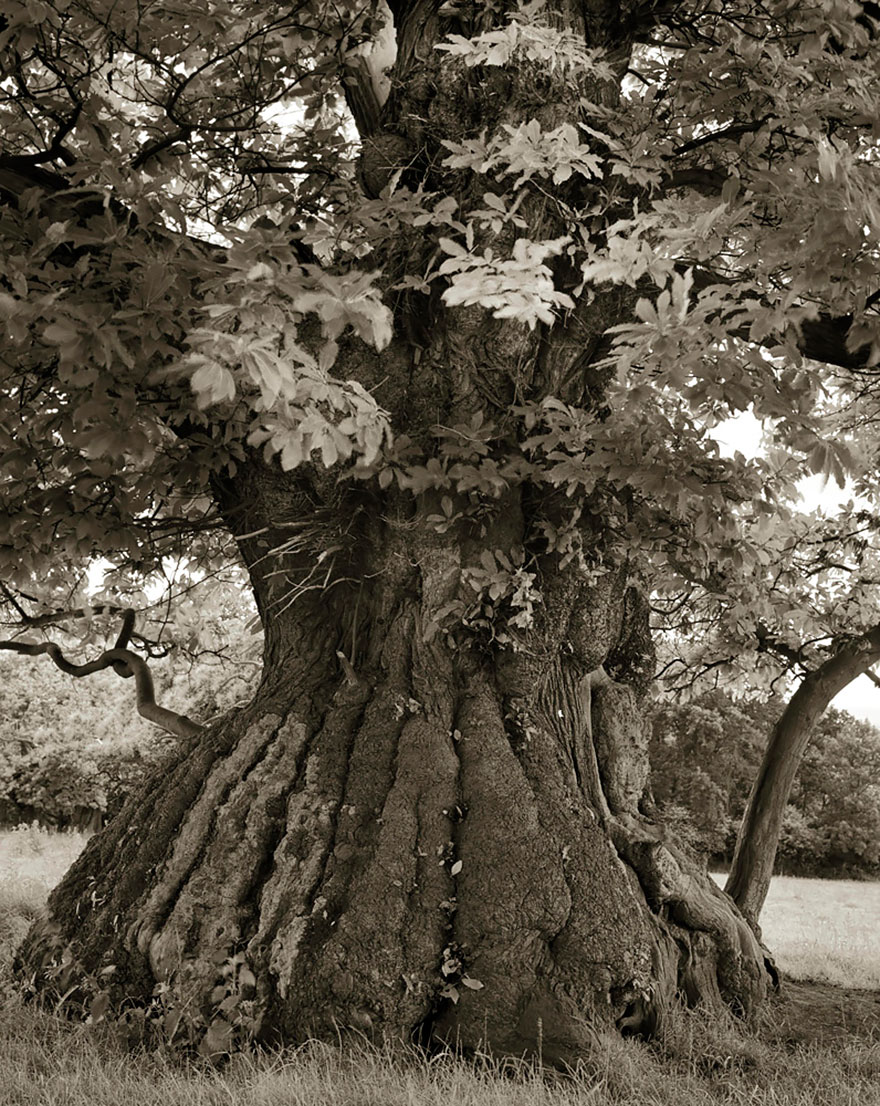
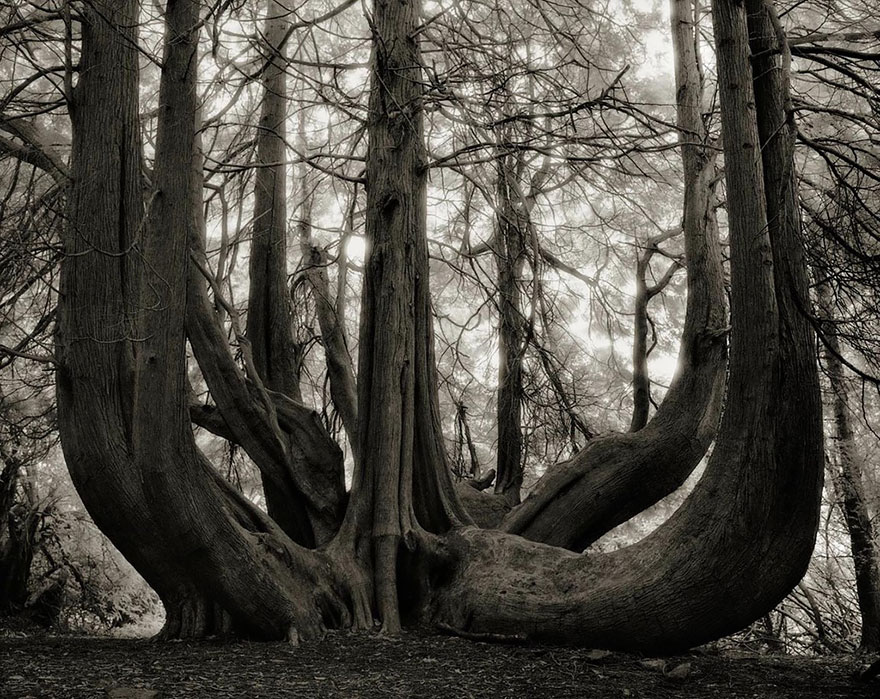
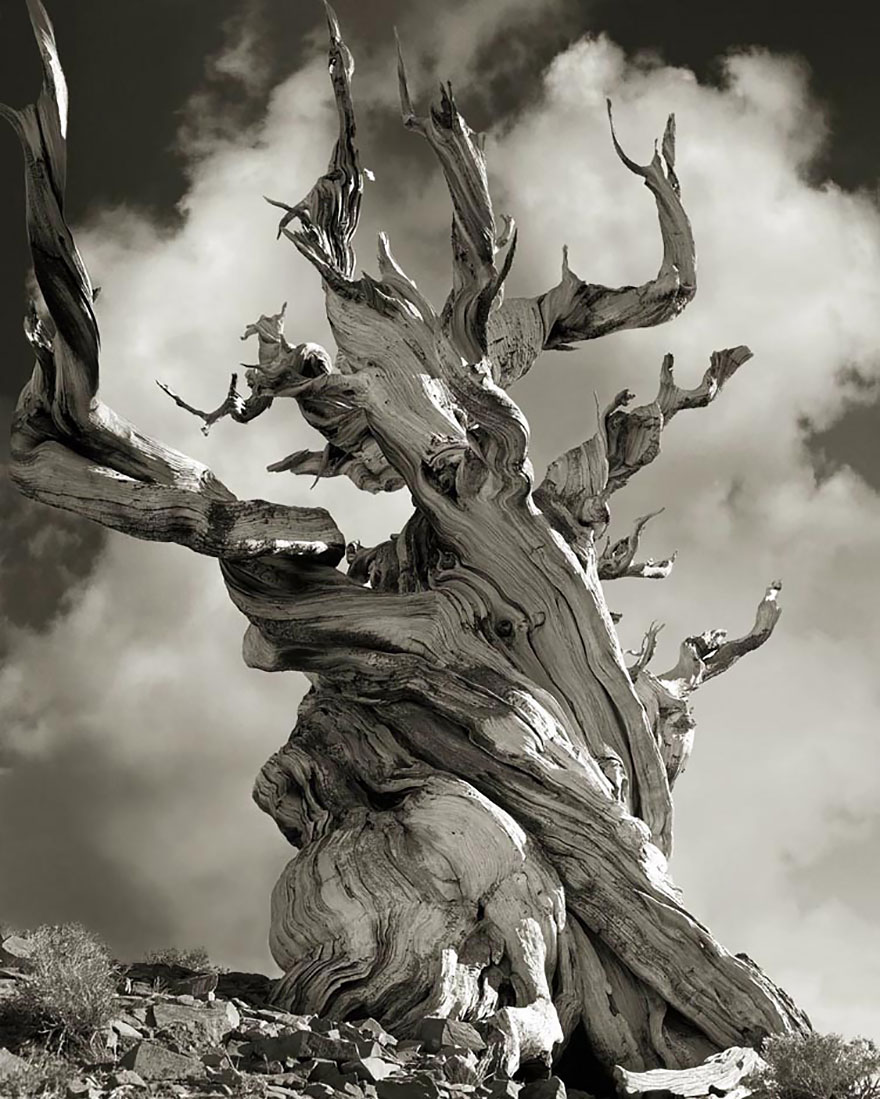
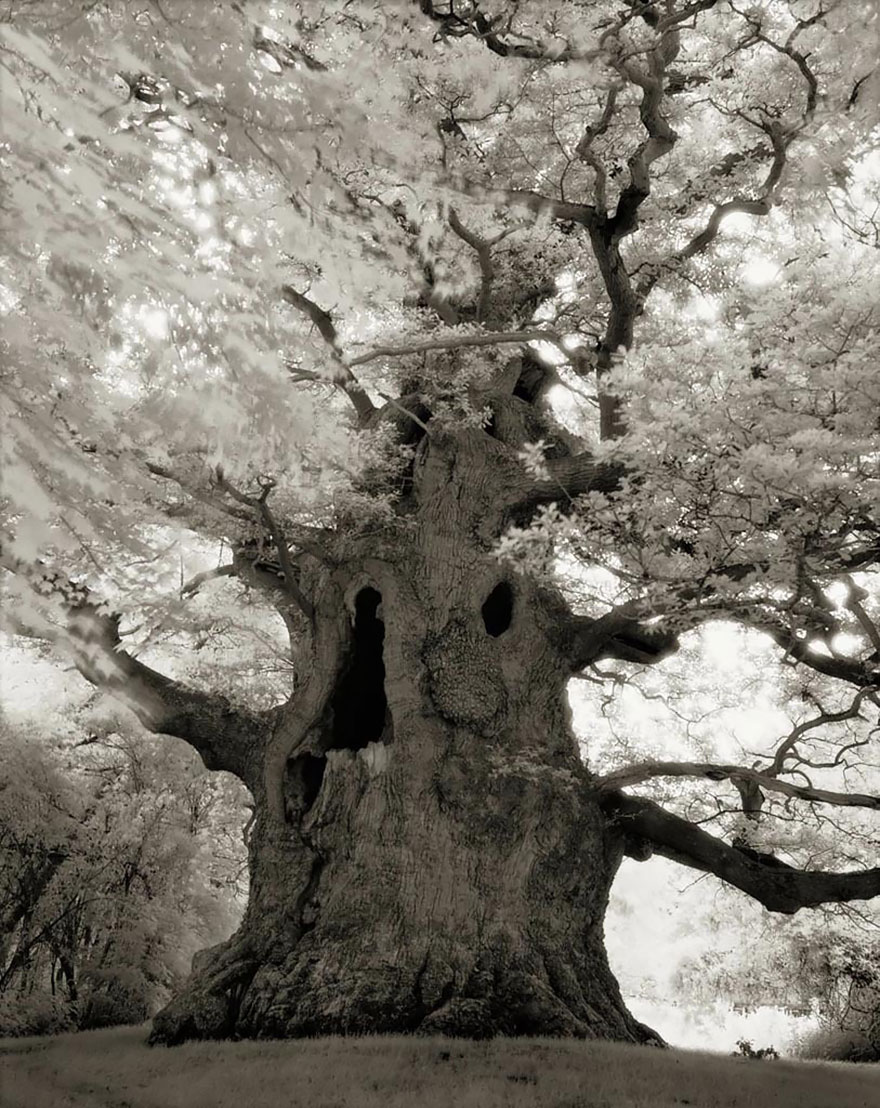
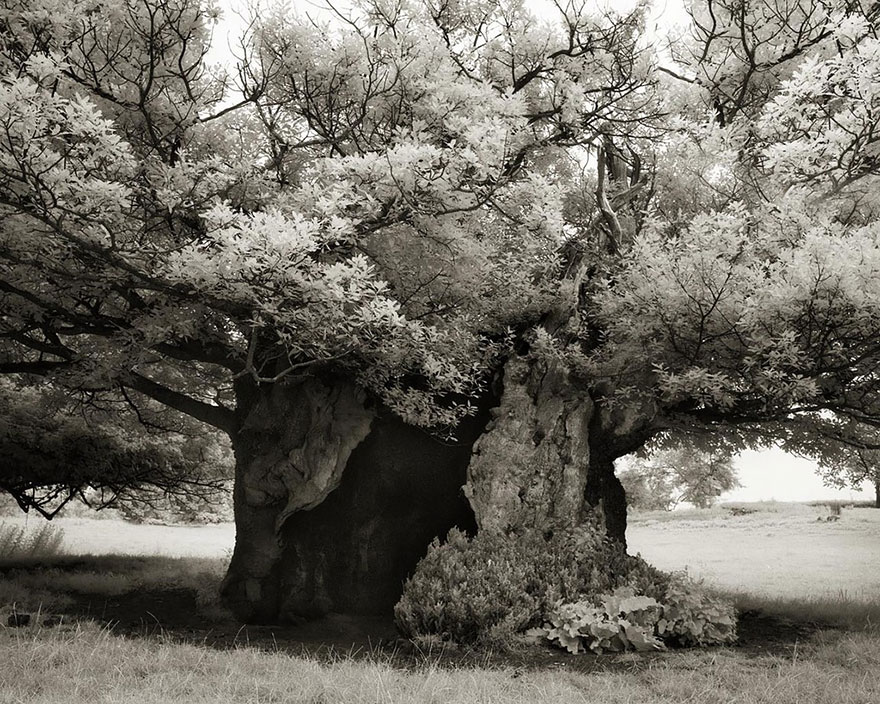
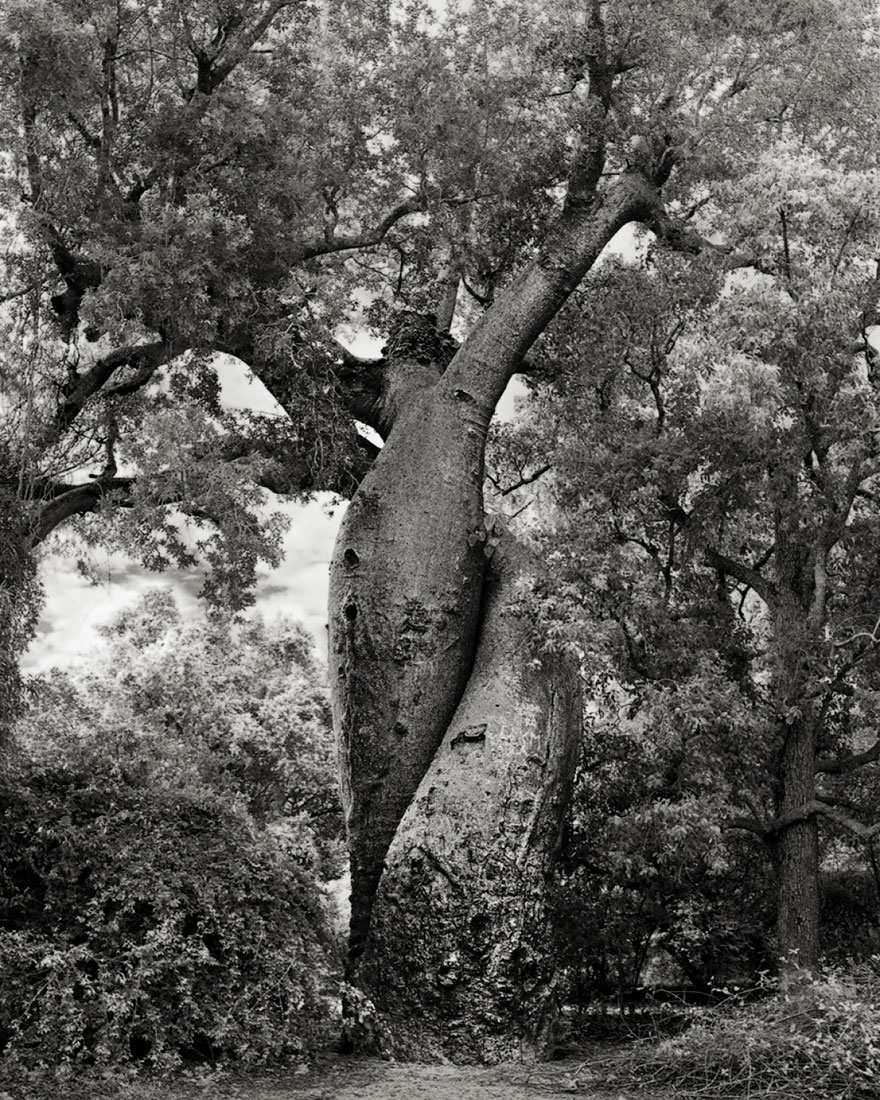
Beth Moon, a photographer based in San Francisco, has been searching for the world’s oldest trees for the past 14 years. She has traveled all around the globe to capture the most magnificent trees that grow in remote locations and look as old as the world itself.
“Standing as the earth’s largest and oldest living monuments, I believe these symbolic trees will take on a greater significance, especially at a time when our focus is directed at finding better ways to live with the environment” writes Moon in her artist statement.
Sixty of Beth Moon’s duotone photos were published in a book titled “Ancient Trees: Portraits Of Time”. Here you can have a sneak preview of the book, full of strangest and most magnificent trees ever.
Get ready for sunnier days, whether you have an hour or a weekend to spare The first official day of spring is March 20. So whether there’s still snow on the ground or flowers in bloom, you can rest assured that nicer weather is on its way. […] To-Dos: Your March Home Checklist — Wyndesong’s […]
Painters today have more pigments to choose from than any other artists in history. They can buy traditional, historical varieties that Rembrandt would recognize, such as siennas and ochres, or 20th-century innovations like phthalocyanines and quinacridones—pigments with an intensity that would have startled even the color-loving Impressionists. Despite this abundance, many artists and art educators endorse the use of a restricted “limited” palette as a way to develop coherent, harmonious, and personal paintings.
Monochromatic palettes
Limited palettes are great learning tools. Students are often taught to paint in monochrome, using only a dark brown or black pigment, plus white. This allows them to focus on accurate shapes, degrees of light and dark—called “values” or “tones”—and paint application, without the additional complexity of color. By mastering these austere palettes, students build a strong foundation for the later introduction of color.
All photos Courtesy of Ingrid Christensen.
A more contemporary monochromatic approach involves using black and white, plus another color. In this example, phthalocyanine blue is introduced to produce a work of tonal accuracy that transcends the academic flavor of a strict black-and-white exercise.
Palettes with one warm and one cool pigment
To add more versatility to their palettes, painters may choose to select one warm and one cool pigment, plus white. In this example, burnt sienna and ultramarine blue are mixed to create a full tonal range, as well as temperature variations from cool to warm. Color temperature is a useful tool for creating the illusion of depth on the two-dimensional canvas.
Warm colors appear to come forward in a painting, while cool colors are recessive. This effect is visible at the inner and outer parts of the bowl. Both areas are greyed because they contain all three colors of the palette, and they are exactly the same value. Yet mixing a larger amount of burnt sienna into the front of the bowl results in a warm color, while mixing more ultramarine into the inner bowl makes it cool.
Notice how the warmer mixture appears closer to the front of the picture plane, while the cooler color recedes into the middle ground. This effect, added to the use of value changes, can create works that convey both form and space.
The Zorn palette
Limited palettes aren’t just for beginner painters. Many professional artists limit the number of pigments that they work with. Perhaps the artist who is most well-known for doing this is Anders Zorn, a Swedish painter active during the late 19th and early 20th centuries who developed a color palette that bears his name. This self-portrait from 1896 was created with the four-color “Zorn palette,” which you can also see him holding in the painting.
Anders Zorn, Self-portrait withModel, 1896. Courtesy of Nationalmuseum.
Detail of Anders Zorn, Self-portrait withModel , 1896. Courtesy of Nationalmuseum.
Though scholars have debated the exact colors the artist used, the Zorn palette is often considered to be comprised of yellow ochre, vermilion, ivory black, and white. Some believe he used a cadmium red rather than vermilion; regardless, cadmium red light is a modern substitute for vermillion, which is toxic.
These four pigments are capable of making a full range of color, despite the fact that the palette contains no blue. Ivory black’s bluish undertone allows it to act as blue; it can be mixed with vermillion to create muted purples, and with yellow ochre to suggest green. The Zorn palette is also effective for creating rich dark colors and beautiful greys.
The Zorn palette results in subtle, tonal paintings, but it may not satisfy artists with a passion for color. Even Zorn himself didn’t use it exclusively.
Other limited palettes
Painters who want the potential for both bright color and greyed color can choose from many other limited palettes, each with its own strengths and weaknesses.
For a broad range of color, a simple palette made of saturated red, blue, and yellow pigments, plus white, is key. Whenever pigments are combined, they lose some chroma, so starting with high-chroma colors ensures that your mixtures will be intense.
This color palette combines cadmium red light, ultramarine blue, and cadmium yellow light, plus white. As with the Zorn palette, it can make a version of every hue, but the saturation level is much higher.
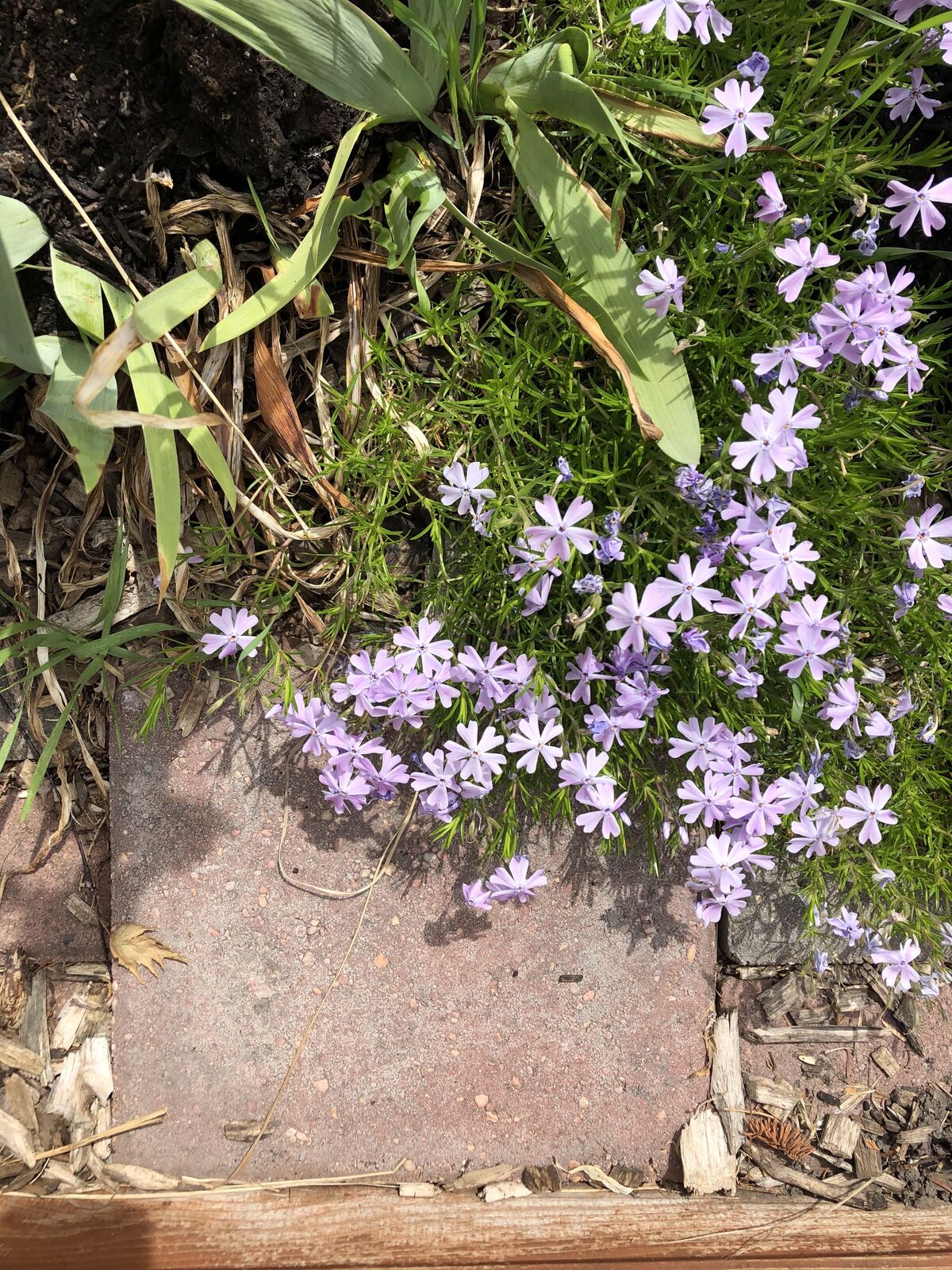
Cadmium yellow light mixed with cadmium red light produces clean, high-chroma oranges; mixed with ultramarine, it results in saturated, slightly warm greens. The weakness of this palette is in the purples. It’s excellent for depicting something like these weathered pavers, but incapable of painting the high-chroma purple flowers.
Substituting cool alizarin permanent for the warm cadmium red light results in high-chroma purples that could do justice to the blooms.
However, alizarin would alter the orange scale. Mixing this cool red with cadmium yellow light creates cool terra-cottas and siennas, rather than true orange.
Every three-color primary palette will have some weaknesses in color rendering, and artists who want to be able to achieve pure purples, oranges, and greens will have to add colors to it. One way to address this weakness is by adding a single missing pigment, such as green or orange, or by choosing to use a six-color split primary palette instead.
The six-color palette contains warm and cool versions of each of the primaries—red, blue, and yellow. A sample palette may contain cadmium yellow and cadmium yellow light; ultramarine blue and phthalocyanine blue; and cadmium red light and alizarin permanent.
Charting the greens alone shows the broad range of hues—from warm olive to cool lime—that can be achieved with two yellows and two blues. No single green you purchase can achieve such variety.
A painter’s palette is, ultimately, an expression of how they see the world and the colors that they love. By exploring a variety of limited palettes from earthy to intense, painters can discover the combination of colors that best helps them convey their world view.

























































































 nishadesigns.com