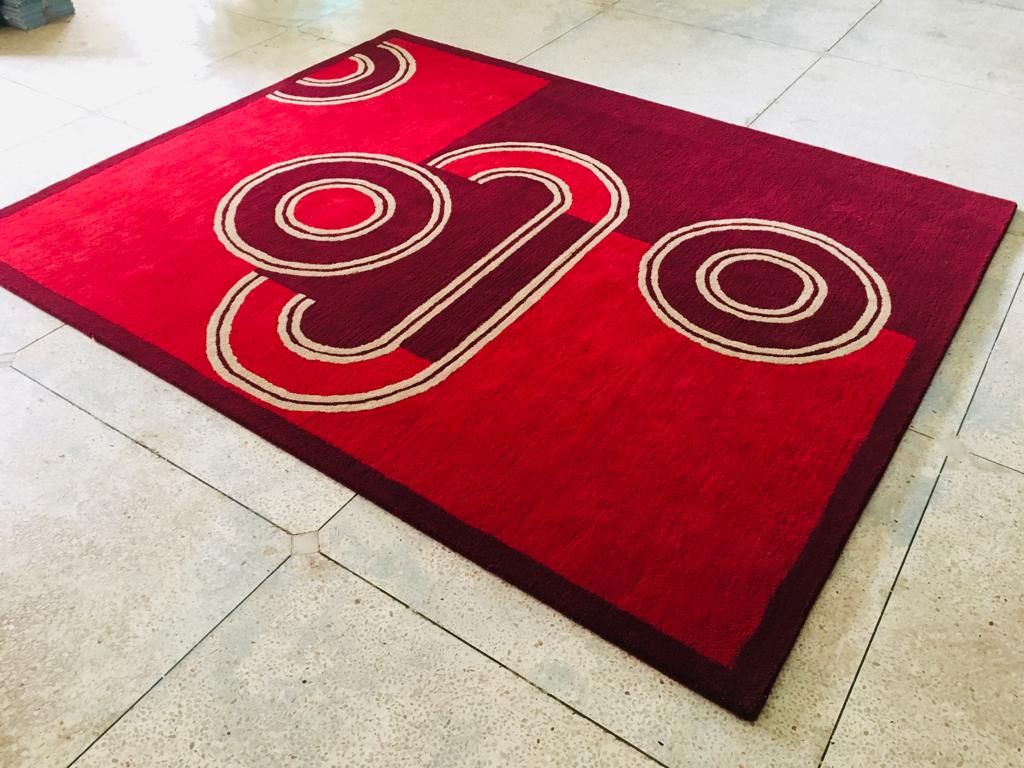
Custom Handmade Natural Yarn Artisan Divine Carpets- Nisha Designs

Our divine artisan carpets are handmade with all natural yarns. Minimum is one, any size, any design any technique. We can design your next carpet for your home, restaurant, hotel or create a designer collection for you. Everything is possible. Support handmade creations and artisans.

Please email us your queries to Nisha Desai at nisha@nishadesigns.com or 702-622-8321

We look forward to hearing from you and working for you.

Beltane Herb: Sweet Woodruff — Ravenhawks’ Magazine Magick for Mind Body and Soul

The Sweet Woodruff, a favorite little plant growing in woods and on shaded hedgebanks, may be readily recognized by its small white flowers (in bloom in May and June) set on a tender stalk, with narrow, bright-green leaves growing beneath them in successive, star-like whorls, just as in Clivers or Goosegrass, about eight leaves to […]

Beltane Herb: Sweet Woodruff — Ravenhawks’ Magazine Magick for Mind Body and Soul

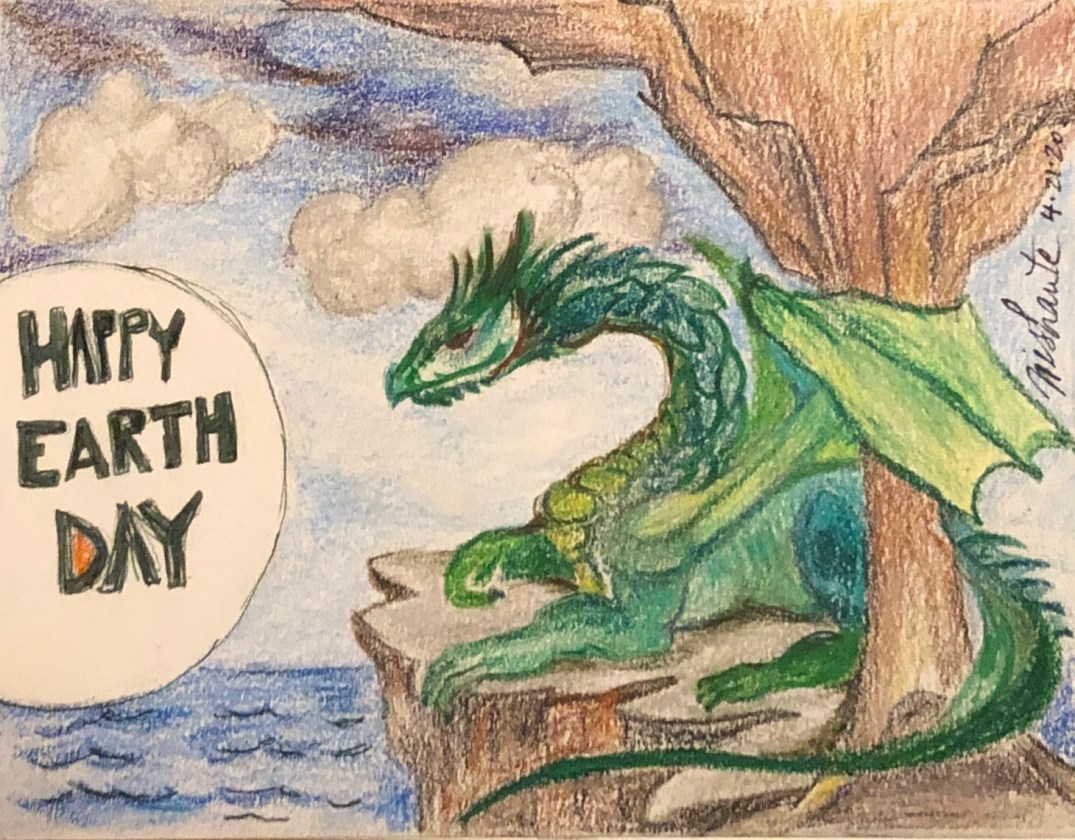
Earth Day 2022: Earth Soul Dragon- Nisha Designs

The Celtic symbol of the dragon is magical, one of transformation and eternal wisdom. The druids respected dragons as forces of nature, the guardians of mother earth and all things sacred, the protectors of nature and all living things. The dragon holds the powerful Celtic symbol of protection and power. These magical beings represented all that the universe has to offer.

Dragon soul energy was worshiped and used for the greater good. At special celebrations of the turning seasons of the year, to harvest the right crops, as a true guardian for all they held sacred.

The earth soul dragon has a symbolism of nature and all things connected to our Mother Earth. The earth soul dragon asks us to connect with nature in all of its beauty. The true wealth is not money but the beauty of our land and its magick, it’s sources and resources.

Custom Commission Art. Call. Email. Nisha@nishadesigns.com. 702.622.8321

MOVEMENT IS HEALING- DANCE AN ART FORM- PBSFORTHEARTS-Nisha Designs

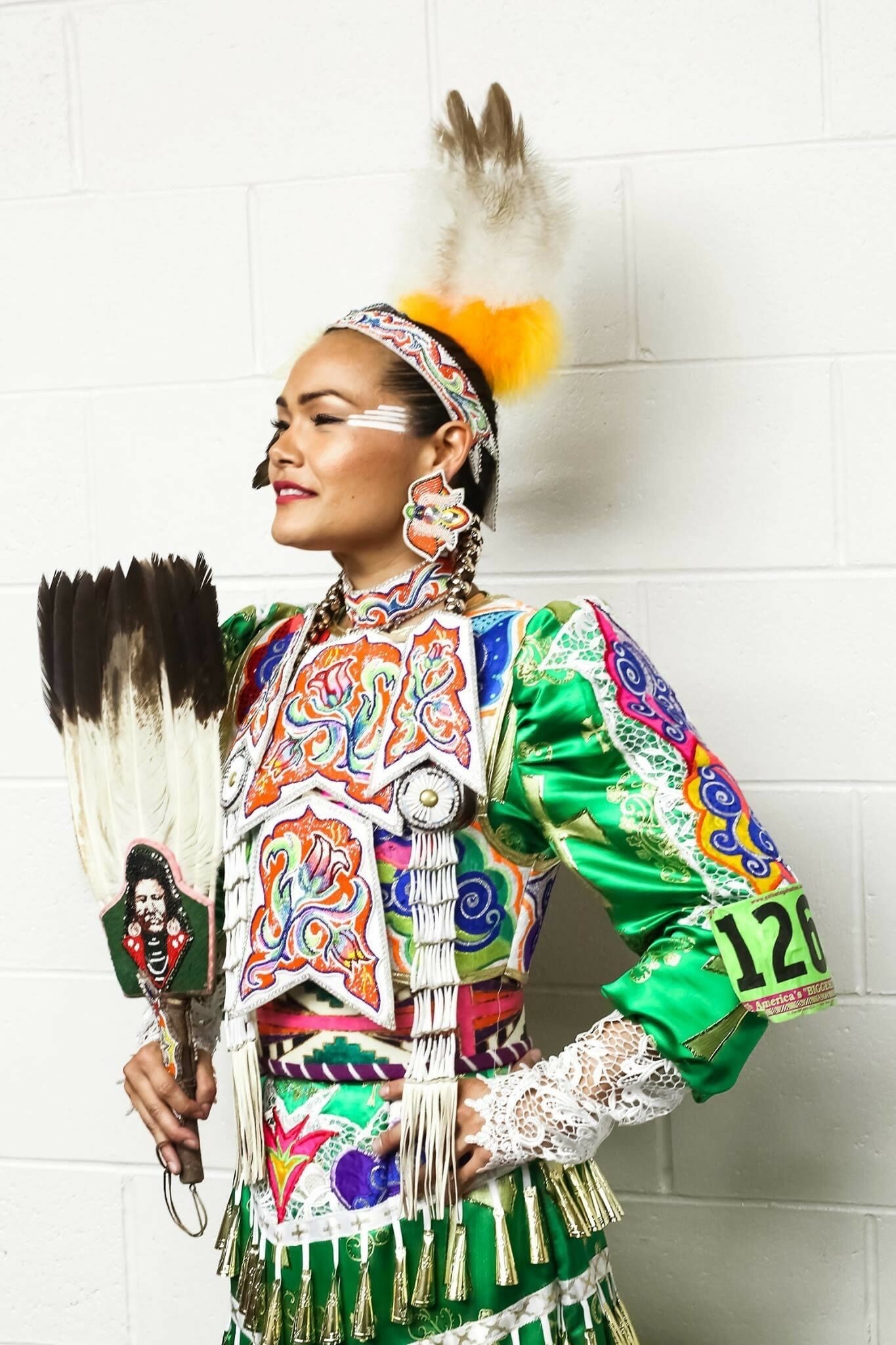
Acosia Red Elk1

From the Bowery Ballroom to the Sydney Opera House, the intertribal dance troupe Indigenous Enterprise is bringing traditional native dances centerstage. Presenting various powwow dance styles and dazzling regalia, the group drew the attention of NBC’s “World of Dance” on social media, and earned a place performing for Joe Biden’s presidential inauguration. Indigenous Enterprise premiered “Indigenous Liberation,” a stage performance that combines tradition and tech, last fall at the Joyce Theater in New York City. The troupe took the show to Los Angeles in March, performing at REDCAT in the Walt Disney Concert Hall Complex.

Dancer Acosia Red Elk of the Umatilla tribe recalls her performance on the stage at the Joyce. “I felt a little bit insecure because we had done nothing like that before,” the world-champion jingle dancer admitted.

A great Video to watch here: https://www.pbs.org/video/indigenous-enterprise-girdt9/

These native dances are typically performed at competitions and powwows, and Acosia and the members of Indigenous Enterprise learned to adapt their styles for a more formal theater crowd. “We are trying to build bridges through art,” she said. “Every single one of us has learned about our own traditional cultures, powwow culture, and different cultures and their dance styles…that was the thing about the show at the Joyce.”

The 42-year-old dancer has been dancing for more than half of her life. Acosia has competed at several dance competitions, including the Gathering of Nations Powwow in Albuquerque, New Mexico, winning in several categories, but her main specialty is in the jingle dance. As a young girl, Acosia would attend powwows and admired the jingle dancers the most. “I had dreams about being a jingle dancer,” she said, “They say that most jingle dancers will dream about it before they ever become a jingle dancer.” The dance is also known as the healing dance or prayer dance as legend has it that a young girl was healed by the sound of jingles made by tin ornaments clinking together on a dress.

When she was six years old, Acosia was caught on fire, leaving her with scars, followed by a low point in her life. Some years later, her sister made a dress for her and encouraged her to start dancing. “It completely changed my life,” she said. “Dancing healed me from the inside out. As a jingle dancer, [I] feel a responsibility to be on [my] best behavior, be kind to others, think good thoughts, [and] remember to pray even when [I’m] out there dancing in competition.”

Source: https://www.pbs.org/articles/pbs-for-the-arts-acosia-red-elk

Beautiful shots of the water lily harvest in Vietnam captured by the lens of Pham Huy Trung- Visualflood- Nisha Designs

Beautiful Shots Of The Water Lily Harvest In Vietnam Captured By The Lens Of Pham Huy Trung 1
Curated by Leandro Lima
Beautiful Shots Of The Water Lily Harvest In Vietnam Captured By The Lens Of Pham Huy Trung 2

A selection of stunning pictures of the water lily harvest in Vietnam, captured by Pham Huy Trung, a talented Vietnamese photographer based in Ho Chi Minh City.

Beautiful Shots Of The Water Lily Harvest In Vietnam Captured By The Lens Of Pham Huy Trung 3
Beautiful Shots Of The Water Lily Harvest In Vietnam Captured By The Lens Of Pham Huy Trung 4
Beautiful Shots Of The Water Lily Harvest In Vietnam Captured By The Lens Of Pham Huy Trung 5

Source: CEO-founder of Visualflood. A Brazilian fine art photographer, among other things, who loves visual arts, nature, science, and innovative technologies. You can follow him on Facebook and Instagram.

Japandi: A Blend of Minimalism & Hygge- Wyndesong’s Place

What is Japandi? Japandi (Japanese minimalism + Scandinavian hygge) is everywhere you look these days. Get the look yourself with perfectly imperfect décor and accents, functional pieces, and layers of natural materials. […] Japandi: A Blend of Minimalism & Hygge — Wyndesong’s Place

Japandi: A Blend of Minimalism & Hygge — Wyndesong’s Place — Ravenhawks’ Magazine Magick for Mind Body and Soul

Fiber Artists- Sheila Hicks- Nisha Designs

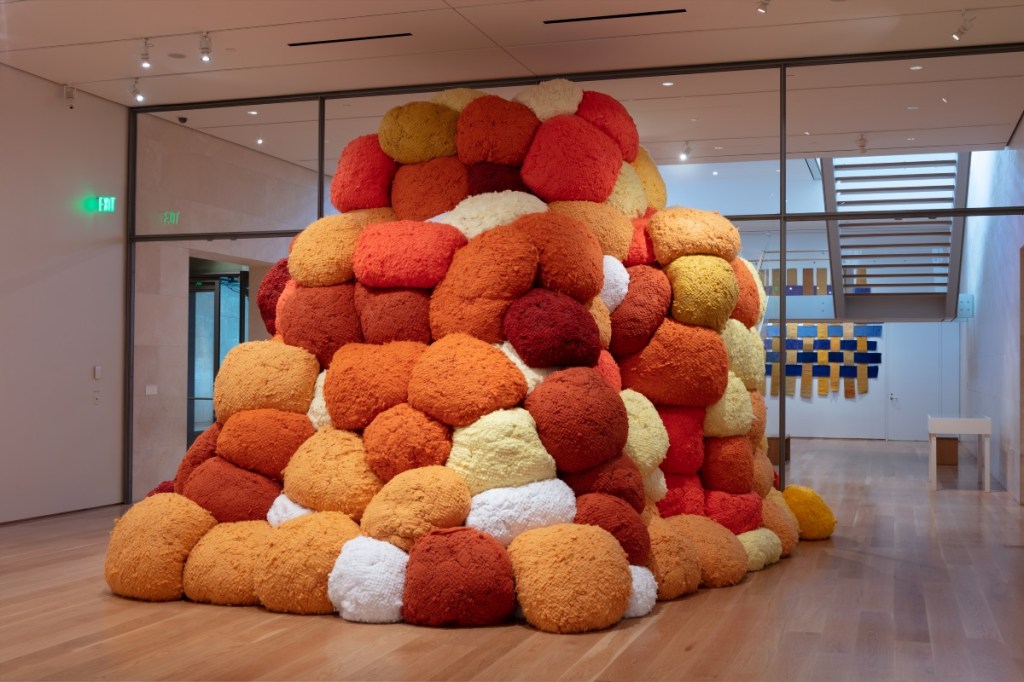
Hicks, who has made fiber the foundation of her practice for 60 years, is one of the world’s most celebrated artists.

Sheila Hicks, Abacus Lino Rising, 2019.
Sheila Hicks, Seven Magic Rain Dances (detail), 2019.
Sheila Hicks, Sentinel of Saffron, 2018.
Sheila Hicks, Chaine et trame interchangeable, 1983-2016.

Installation view, Sheila Hicks at the Nasher Sculpture Center.

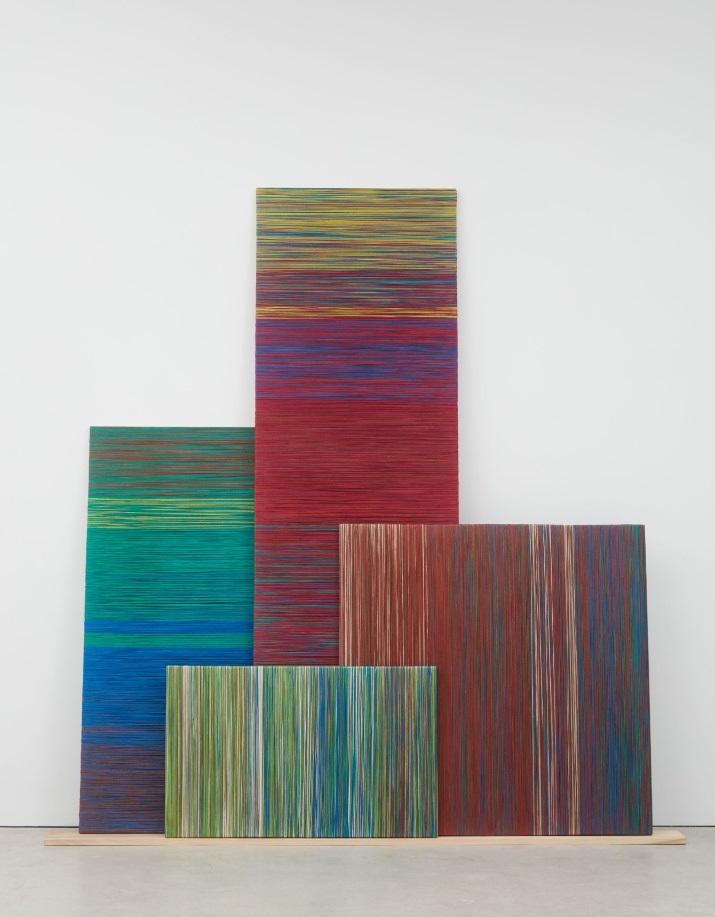
Sheila Hicks (all), Sober Streak Green, 2019; Sober Streak Violet, 2019; Sober Streak Blue, 2019.
Sheila Hicks, Multi-colored Minime, ca 1962.
Sheila Hicks, Zapallar, 1958 (left);, Cluny II, 2008.
Sheila Hicks, Prayer Rug, 1965.
Sheila Hicks, North South East West, 2017-18.
Sheila Hicks, Sunset Pavilion Inhabited, 2015.
Sheila Hicks, May I have This Dance, 2011 (as installed at the ICA Philadelphia).

Source: https://www.sheilahicks.com/

From Ancient Egypt to Teotihuacán, Centuries-Old Palettes Illuminate the Role of the Painter- Hyperallergic- Nisha Designs

“Paint Box” (1302–1070 BCE), Egyptian, ceramic and pigment cakes, 2 5/16 x 8 11/16 x 2 3/16 inches, RISD Museum (courtesy RISD Museum)

Despite all of the ancient painted objects in our museums, it’s rare to see an actual paint set.

For all the paint fragments found throughout the ancient world, on murals, pottery, sculpture, and scrolls, surprisingly few ancient paint palettes have been uncovered. Ancient palettes in the collections of the Metropolitan Museum of Art in New York, the British Museum in London, and the Louvre in Paris — among other institutions — number in the single digits. This is even more surprising now that scholars know ancient Greek and Roman statues were vibrantly painted. 

The palettes we do have, many of which still contain traces of original pigment, show us how people painted, but they also tell us about the role of the painter in ancient civilizations.


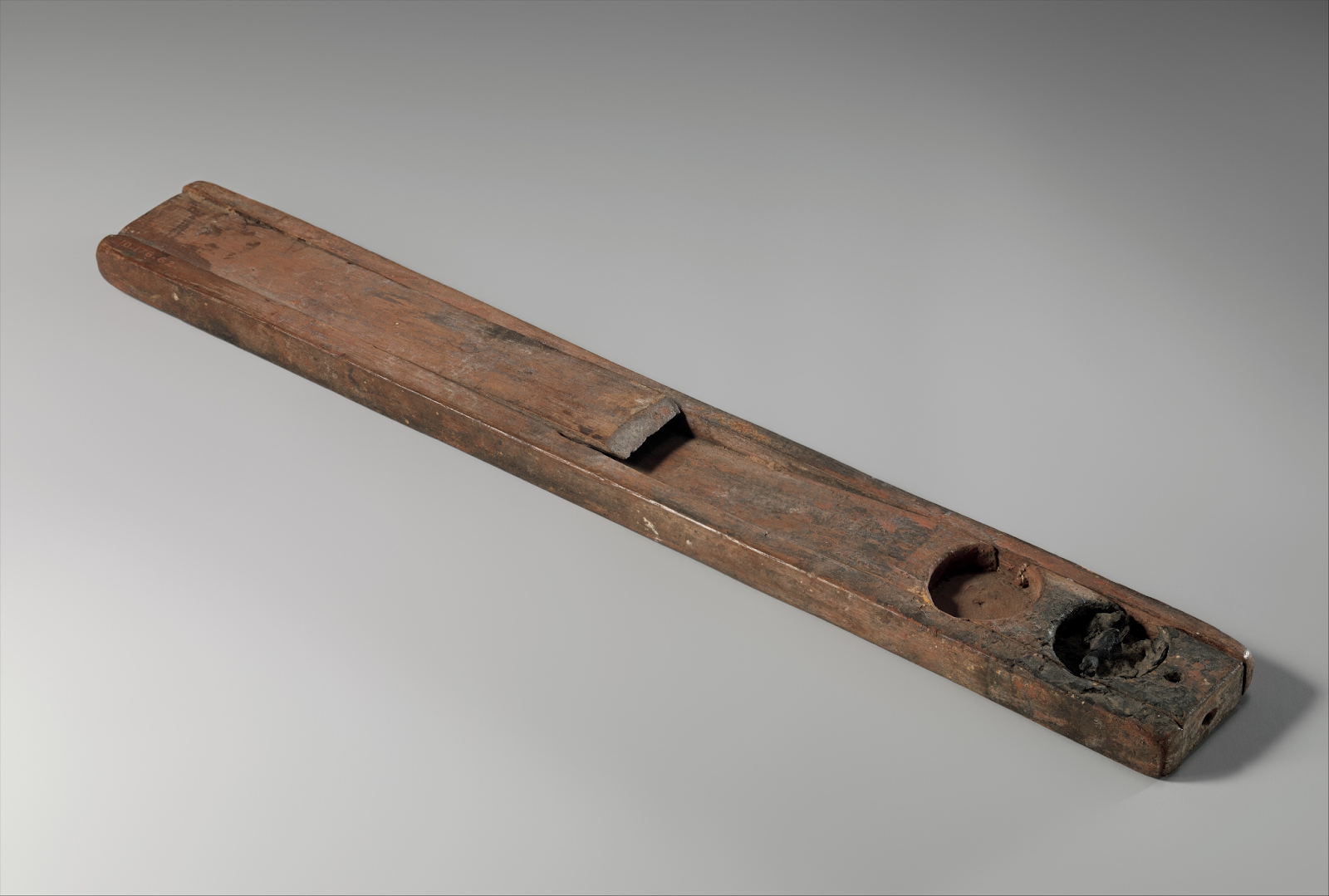
“Scribe’s Palette” (ca. 2030-1550 BCE), Egyptian, wood and pigment, 13 5/8 x 1 11/16 x 11/16  inches, Metropolitan Museum of Art (courtesy Metropolitan Museum of Art)

Most of the existing paint boxes and palettes are Ancient Egyptian: They belonged to scribes, tomb painters, and recreational painters of the upper classes. Some include the original brushes — for scribes, pen-like lengths of rush grass, and for professional and recreational illustrators, thicker bundles of grass to compose larger images.


“Paint Box of Vizier Amenemope” (ca. 1427-1401 BCE), boxwood with inscription inlaid in Egyptian blue, 7/8 x 8 1/4 x 1 7/16 inches, The Cleveland Museum of Art (courtesy Cleveland Museum of Art)

Scribes’ palettes mostly held only red and black pigments and many bear inscriptions of the king’s name, suggesting the importance of the scribe in the eyes of the ruler. Inscriptions with the king’s name — as in a palette at the British Museum featuring hieroglyphs in high relief that read “the perfect god, lord of the Two Lands, Nebpehtire, s[on of Ra, Ahmose]” — may have noted that the owner was the king’s official scribe and suggest that perhaps the king himself gave the palette to the scribe.

An Ancient Egyptian painting palette owned by a professional painter and housed at the Met also bears the king’s name, but one at the Cleveland Museum of Art includes the name of the owner himself, signifying it was likely used for leisurely painting. Unlike scribes’ bicolor palettes, recreational and tomb painters used a wider range of colors, all naturally occurring besides so-called “Egyptian blue.” 

Replacing the expensive lapis lazuli, Egyptian blue was a synthetic compound made by heating malachite, sand, and other materials to a temperature of 1,500-2,000 degrees Fahrenheit. The method was adopted by the Ancient Romans, but by the Middle Ages, the process was lost, and painters relied once again on the prohibitively expensive lapis lazuli.


“Painter’s Palette Inscribed with the Name of Amenhotep III” (ca. 1390–1352 BCE), ivory and pigment, 6 7/8 x 1 3/4 inches x 3/8 inches, The Metropolitan Museum of Art (courtesy The Metropolitan Museum of Art)

In Ancient Egypt, blue was used to paint the gods (red, yellow, black, and green all came from the ground, making them unfit to depict deities). This concept is seen again in Christian art centuries later, with Mary and Jesus repeatedly depicted in blue. 

Across the world and made centuries after the Egyptian palettes, another ancient paint setlinks the painter to the divine. 

Source: https://hyperallergic.com/719033/centuries-old-palettes-illuminate-the-role-of-the-painter/

TONO- Red Sky Performance- Ritual Drama Dance- Nisha Designs

This new outstanding dance creation by Red Sky, a Toronto based contemporary dance and theater company, brings together the Indigenous cultures of Canada, Mongolia and China and is heavily grounded in the theme of horse culture. Sandra Laronde, artistic director of Red Sky, explains the creative process behind Tono, an innovative three-country project involving eleven dancers and musicians.

Dance has always played a vital role in Aboriginal cultures. It is a connection to the spirit, to the land, and a deep expression to our gratitude. In the Indigenous worldview, the horse is revered and respected. When one thinks about the horse at war, at play or as a helper of humankind, we realize the horse has made a considerable contribution to civilizations around the world.

Importance of dance to Indigenous peoples: Why We Dance: https://www.facebook.com/watch/?extid=NS-UNK-UNK-UNK-AN_GK0T-GK1C&v=994207011501470

Source: http://www.redskyperformance.com

Waterlight- Provides Electrical power using only salt water-Nisha Designs

HOW IT WORKS?

Born from something natural and evolves into something astonishing.

This project was born in April 2016 and consists of a specially designed electronic circuit that manages to extend the transfer of ions from a saline medium to convert them into useful and immediate energy. The electrodes of the salt bridge make it possible to drain energy from the salt water, (a known process), but with the electronic circuit with which it is possible to extract around 500 watts for each liter of water. The prototypes that we have developed are portable equipment weighing around 2 kilos. These teams can be scaled up to industrial production quickly. The Waterlight project can be scaled up vertically and horizontally in many ways.

  • As goals for the immediate future, to connect several units to a central base and in this way produce and extract greater amounts of energy.
  • A second goal is to be able to make plants on the shore of beaches to produce energy in significant quantities, continuously and for immediate use or to store in accumulators. The effluents from this process provide additional value by becoming fertilizers or drinking water, the energy of which for the desalination process comes from the same equipment.

Salt water is abundant and covers 73% of the earth’s surface. We can immediately extract 2 kilowatts from a cubic meter of salt water. We can extend this extraction for 10 continuous days, but ideally it should be a 24-hour process to change the saline medium and then reload it. In the development of small units, the Waterlight project provides an immediate solution that can directly benefit communities that lack lighting and a small electrical source; It can supply light and it can also be the electrical source where they can charge a cell phone or listen to a radio. The Waterlight for individual use also has applications in the field of recreation (camping), navigation (at all levels) and education (turning on a computer or a television). The project has a PCT Patent pending.

ANCESTRAL CONNECTION

The design is inspired by the Colombian Wayúu community and their ancestral connection with the sea.

RECYCLABLE

Assembled with 100% recyclable materials.

TRADITION

Strap knitted with kanas figures, millenary Wayúu handicrafts

WATERPROOF

Outdoor water resistant.

Source: https://www.waterlight.com.co/#inspire